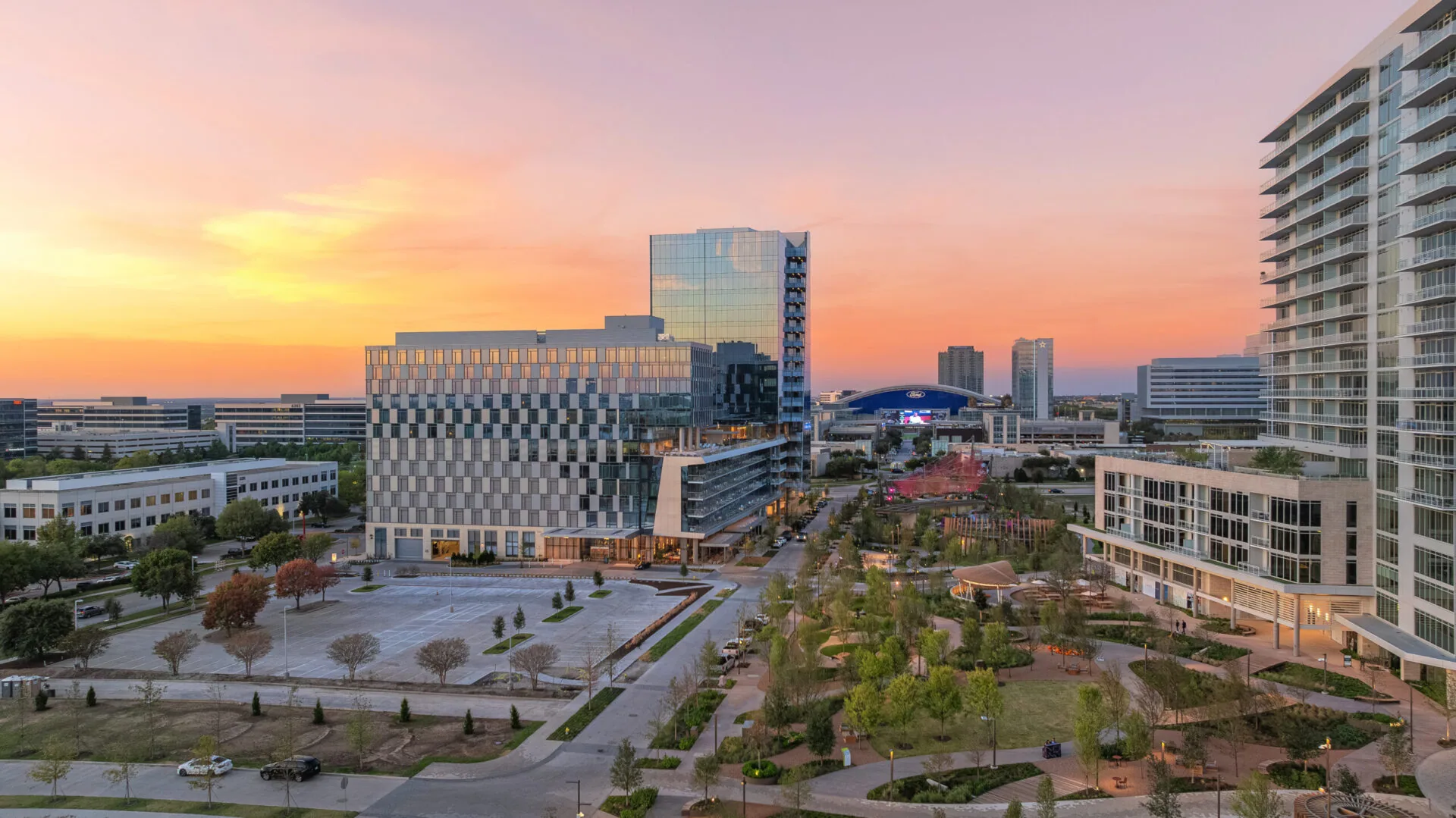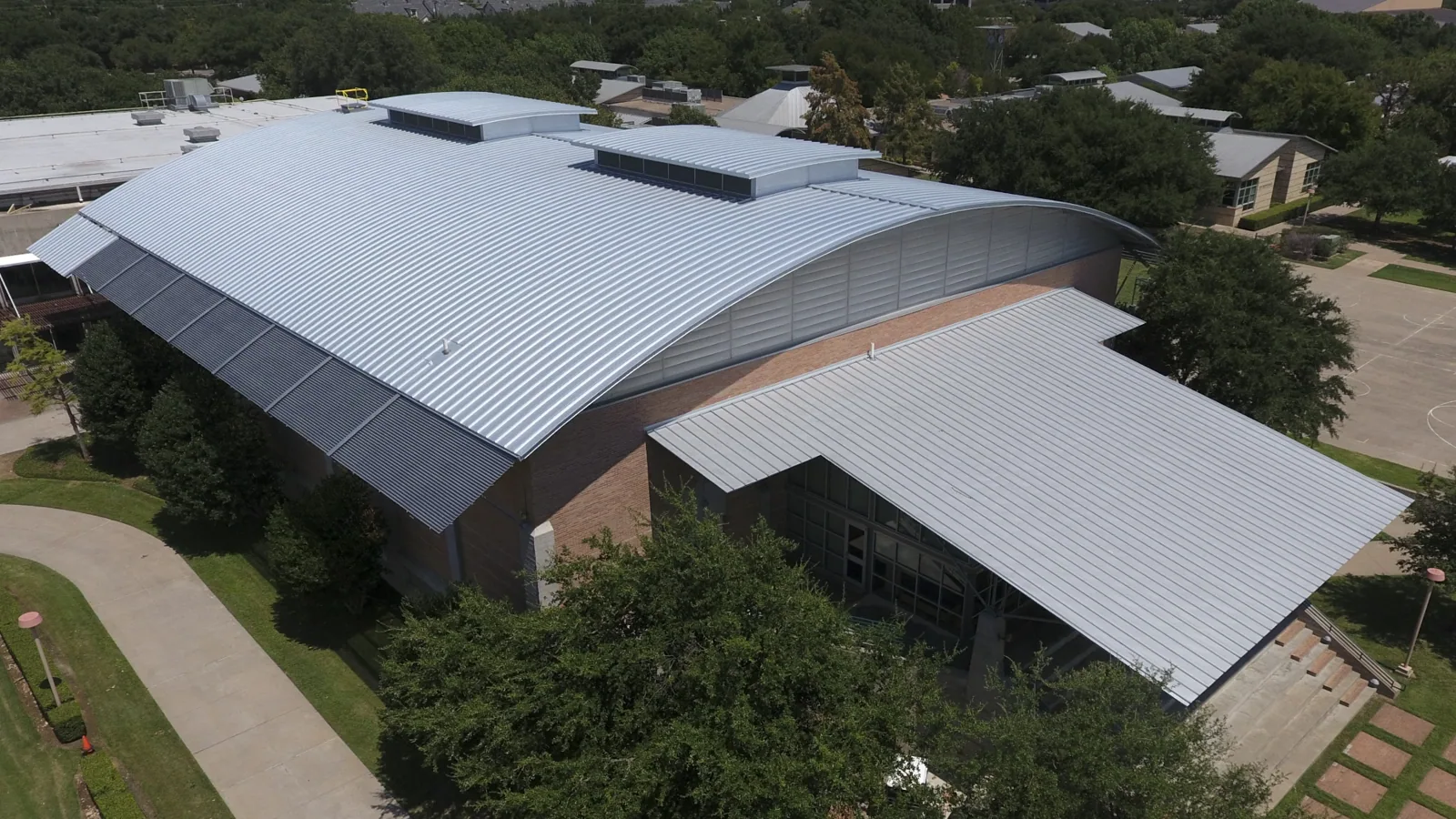
A roofing scope can hold up several trades when the dry-in boundary or access date is unclear. We map the roof section, identify the work that must precede mechanical or electrical activity, and mark the point where another decision is needed. Frisco's business-park plan includes office, warehouse, distribution, and showroom possibilities where zoning and truck access support them. North Platinum is a wider corporate and mixed-use corridor; downtown commercial blocks bring another staging condition. Those local contexts help frame coordination, but site drawings and the actual assembly set the construction sequence. A Dallas Parkway corridor roof scope begins with trade access and the next dry-in date.
Set the Roofing Boundary before Mobilization
Before a crew arrives, we review roof plans, existing records, penetrations, staging, removal limits, and the person who can approve a concealed condition. The proposal separates base scope, alternates, drainage, edge metal, insulation, and attachment so the GC can align each item with the schedule of values. If the assembly is uncertain, we identify a test opening as a separate decision instead of embedding an assumed condition in the bid. A replacement scope can show the roof section and turnover point for each phase.
Frisco's 2024 IBC with local amendments became effective March 1, 2026; the project team should confirm which provisions govern its permit work. The permit and project team should confirm the applicable code set for the specific work before submittals are finalized. We describe the assembly and attachment so the architect or code reviewer can evaluate it; we do not replace that review. A condition report can capture existing roof details before the first removal begins.
Close Each Section before Releasing the Next Trade
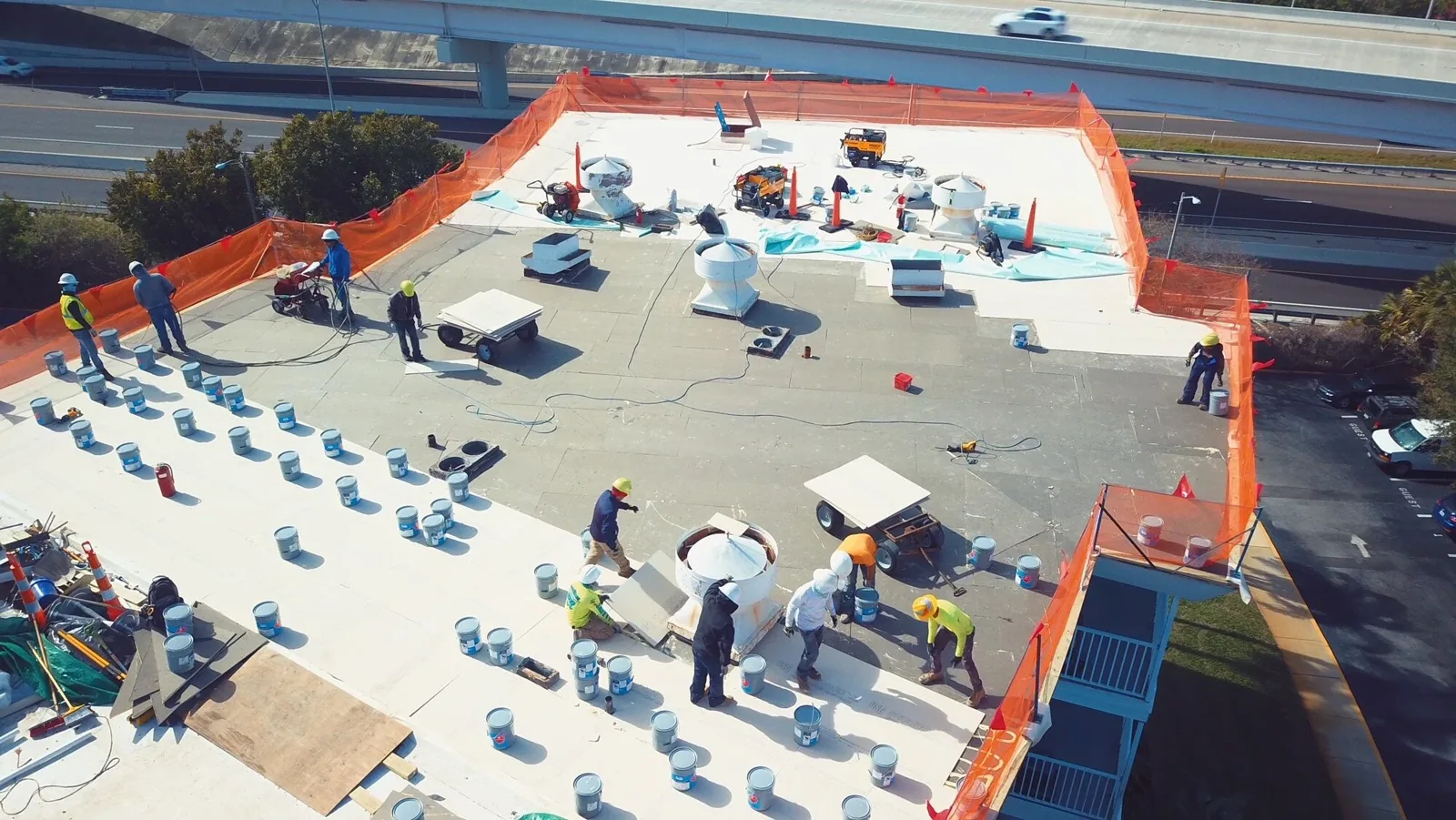
Demolition, insulation, membrane, flashing, and curb work need an agreed sequence. We identify how large an area can be opened and secured within the shift, where temporary dry-in sits, and what surface must be ready for mechanical equipment. If moisture appears below the membrane, we photograph it, measure the affected boundary, and wait for authorization before extending work. The GC receives the condition, quantity, and schedule effect in a written request rather than a verbal change at the roof edge.
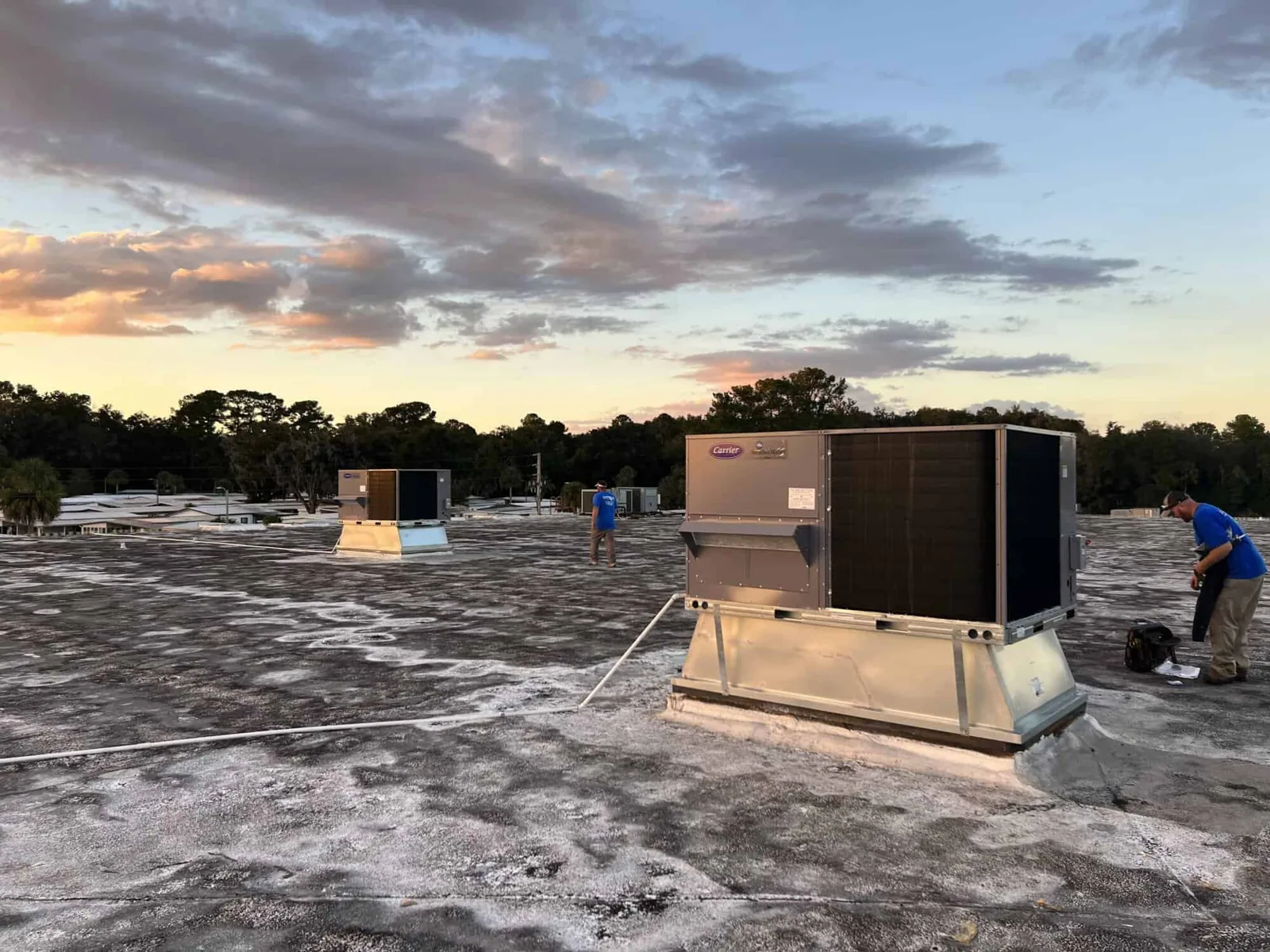
A phased reroof sequence can account for occupied rooms, lift access, weather, and trade handoffs. We also state which areas are complete and which remain under protection. When an HVAC contractor needs to set or replace equipment, a curb and support detail can be resolved before the new units arrive. That avoids leaving a penetration or support outside the final water-shedding scope.
Coordinate Delivery and Roof Access in Frisco
Frisco’s transportation materials discuss work on the Dallas Parkway frontage road and US 380. That information gives a project team regional context, not an approved crane position, material route, or truck restriction for a specific job. Before mobilization, the GC and property contact walk the proposed entrance, delivery window, laydown area, fire lane, and lift swing. A North Platinum development area and an older Rail District building can require different staging, and the field plan still has to reflect the site in front of the superintendent.
Material, debris, and other trade routes should be drawn as separate lines on the daily plan. If a crane pick or rooftop equipment installation takes priority, the schedule identifies which roof section stays closed and who can release it. A distribution access review can identify dock and trailer constraints on a warehouse job. A property manager coordination record carries keys and tenant notices into that sequence while leaving jobsite control with the GC.
Protect Open Work when Weather Changes
A Frisco project should name the weather hold point before demolition starts: the crew needs a defined area to close, a temporary dry-in method, and a person who can accept the roof at shift end. DFW July and August normals are 95.6°F and 95.8°F. That regional heat figure informs scheduling, but the superintendent still decides from the day’s conditions and the selected assembly. Spring brings DFW’s wettest severe-weather period; a Metroplex event is a trigger to inspect the reported work area, not a reason to widen the repair line without evidence.
Energy scope has a separate date: Frisco's 2024 IECC amendments took effect June 2, 2026. The project team can verify applicable provisions against the permit package. The GC should ask the design and permitting team which provisions apply to the project and preserve that decision with submittals. If weather interrupts a phase, a roof follow-up visit can record the condition before the next trade returns. At turnover, a final roof inspection verifies the completed details and records what remains open.
Give the Owner a Clean Turnover
Turnover should identify what the GC approved, what the crew installed, and which condition remains open. We return a roof map, repair or replacement boundary, dated photographs, material details, and any test record included in the contract. If another trade made a penetration after roofing closeout, the file should show when that detail entered the sequence and who owns its follow-up. A maintenance plan can begin from the completed work rather than from an undated punch list.
Frisco's North Platinum and Rail District contexts can influence access, but the roof record must identify the building and section actually delivered. We separate warranty documents from claims about the concealed assembly or a future service life. A capital handoff can carry approved scope and open items to the owner or asset manager. The closeout packet gives each party a clear next action and preserves the approval trail for the next budget date. Before mobilization, we also confirm who may issue a notice to proceed, how field changes reach procurement, and which document closes the roofing line. That keeps the authorization path visible when the crew encounters a condition outside the original drawings. The owner and the GC can see which submittal, change record, and closeout attachment remains due before demobilization.
Commercial Roofing Questions
What should the GC include in a roofing bid package?
Include roof plans, known assembly records, access rules, staging limits, occupied hours, mechanical details, and the approval contact for concealed conditions. We identify assumptions, base quantities, alternates, and the test that could change a scope. The resulting proposal gives the GC a clearer trade boundary to compare with schedule and procurement documents.
How do you handle wet insulation found during removal?
We protect the open area, photograph and map the wet material, and send the quantity and proposed repair for approval. Work outside the signed boundary waits for the named decision-maker. That keeps the roof protected while the GC reviews cost and schedule impact before authorizing added removal or replacement.
Can mechanical work follow the roofing crew on the same day?
It can when the membrane, flashing, curb, and equipment sequence is agreed and the completed section can be checked. We identify the boundary ready for the next trade, the detail that remains open, and who owns any later penetration. The schedule should preserve a secure roof condition at the end of each shift.
Does Frisco's code adoption change the roof submittal?
Frisco's amended 2024 IBC took effect on March 1, 2026. Before finalizing roofing submittals, the architect or permitting official should confirm which provisions govern the project. We identify the assembly, insulation, and attachment details so the review can be made against the submitted scope.
What belongs in roofing closeout?
Retain the completed roof map, dated photographs, material and repair details, approved changes, inspection findings, and remaining work. We identify section boundaries and the date another trade or owner accepted the area. The file should distinguish installed work from open conditions so the next inspection begins with a known handoff.