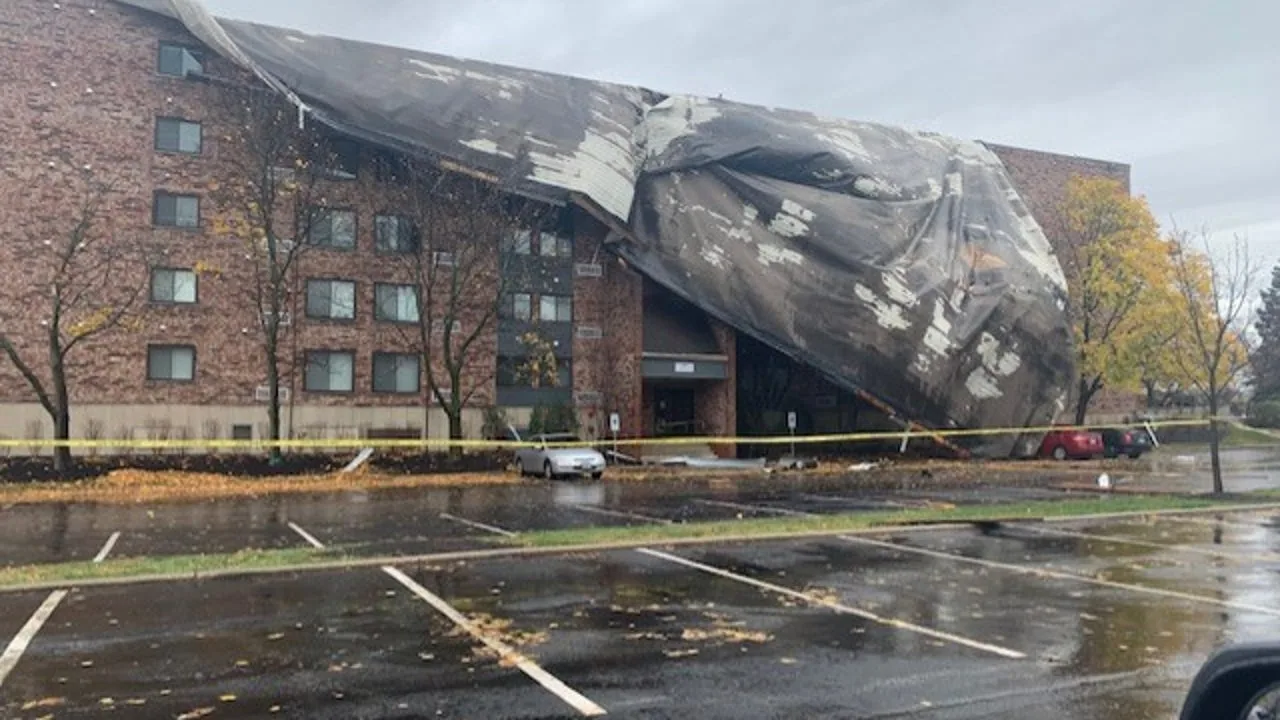
A claim file needs a roof record that separates what was observed from what still needs a decision. In Frisco, TX, we document the reported event, inspection date, affected sections, interior signs, and any temporary protection before pricing permanent work. Spring brings the DFW area's wettest and most active severe-weather period, but a regional storm record does not establish impact at one property. We inspect the roof itself and note access or visibility limits. A North Platinum office and a Rail District storefront may have different staging constraints, while both need a clear condition map. Our storm repair assessment can create the first record for an owner's claim review.
Build a Dated Record of What Was Seen
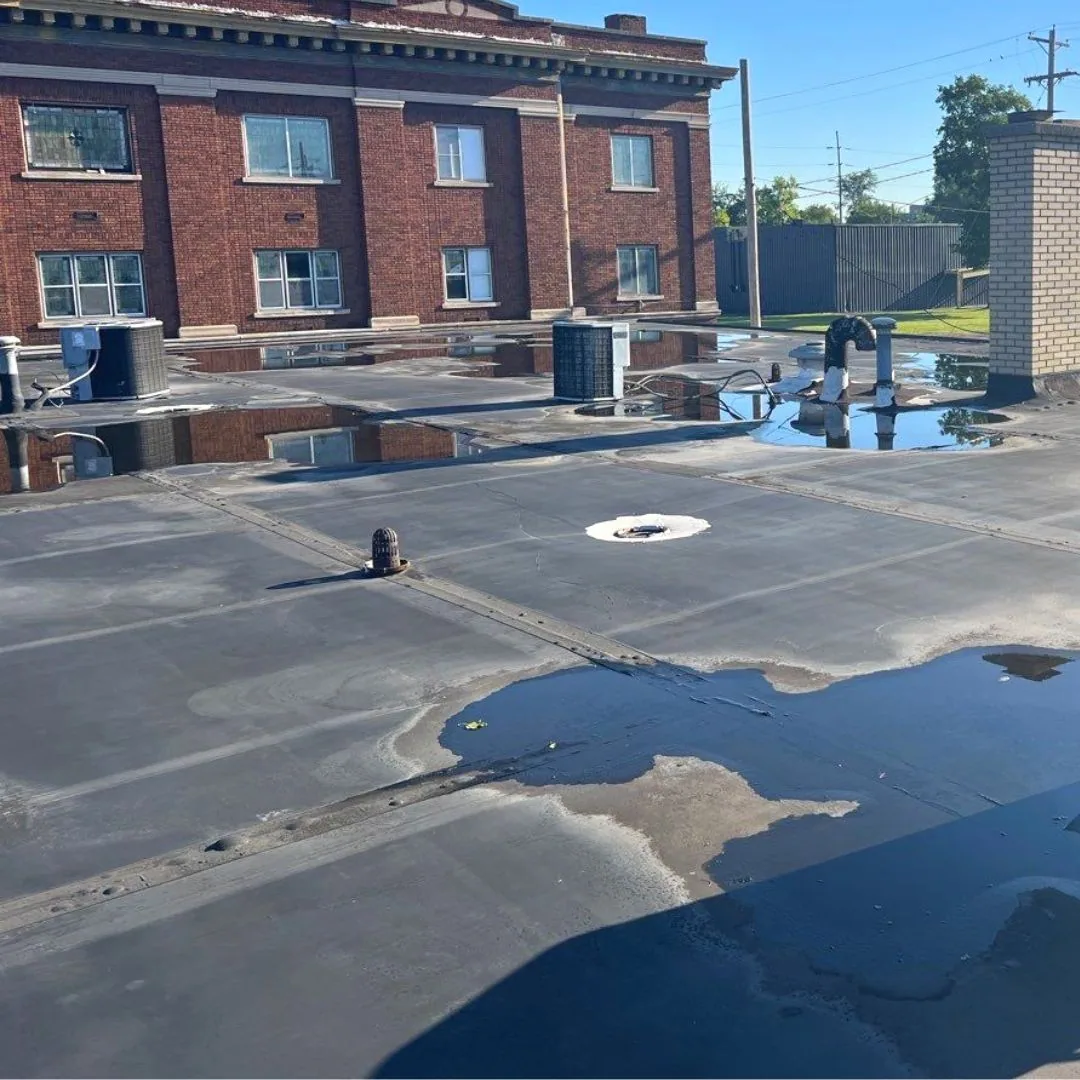
We begin with the information the owner can confirm: the reported weather date, first interior leak, area of concern, and any work already performed. The roof walk then documents visible membrane, flashing, metal, edge, drain, and penetration conditions. Each photograph is tied to a roof section and inspection date. If part of the roof cannot be reached safely or is under temporary cover, the report says so. A record with those limits helps the building team understand what the inspection did and did not establish.
Under Frisco's 2025 plan, the business-park land category is predominantly nonresidential and emphasizes office and modern-industry uses. Office/warehouse, distribution, and showroom activity depends on the parcel's zoning and permitted truck route. Those varied occupancies can affect when a site can be entered and how materials move, so we record the access window rather than assume a standard visit. In the Dallas Parkway corridor, an owner still needs to confirm the specific property entrance and loading rules. We keep the event information, observed condition, and operating note in separate fields so a reviewer can follow the chronology.
Keep Temporary Protection Apart from Permanent Work
If water is active, the first visit may include a temporary closure or interior protection. We record the location, material, and date, then identify what remains for permanent repair. The temporary measure is not presented as a completed correction or as proof of a covered cause. A permanent scope can address a failed seam, displaced edge, puncture, or wet insulation, but the repair boundary must follow what the inspection confirms. The owner sees a separate line for each roof section and the next approval needed.
When a storm has affected more than one area, we compare findings across the roof instead of multiplying a single observation. Hail marks on one metal component do not establish damage elsewhere, and a ceiling stain does not identify the entry point by itself. Our inspection process traces the water path, photographs relevant details, and labels any open question. A condition report carries that map into a claim discussion, a repair approval, or later maintenance.
Show the Repair Boundary and Cost Drivers
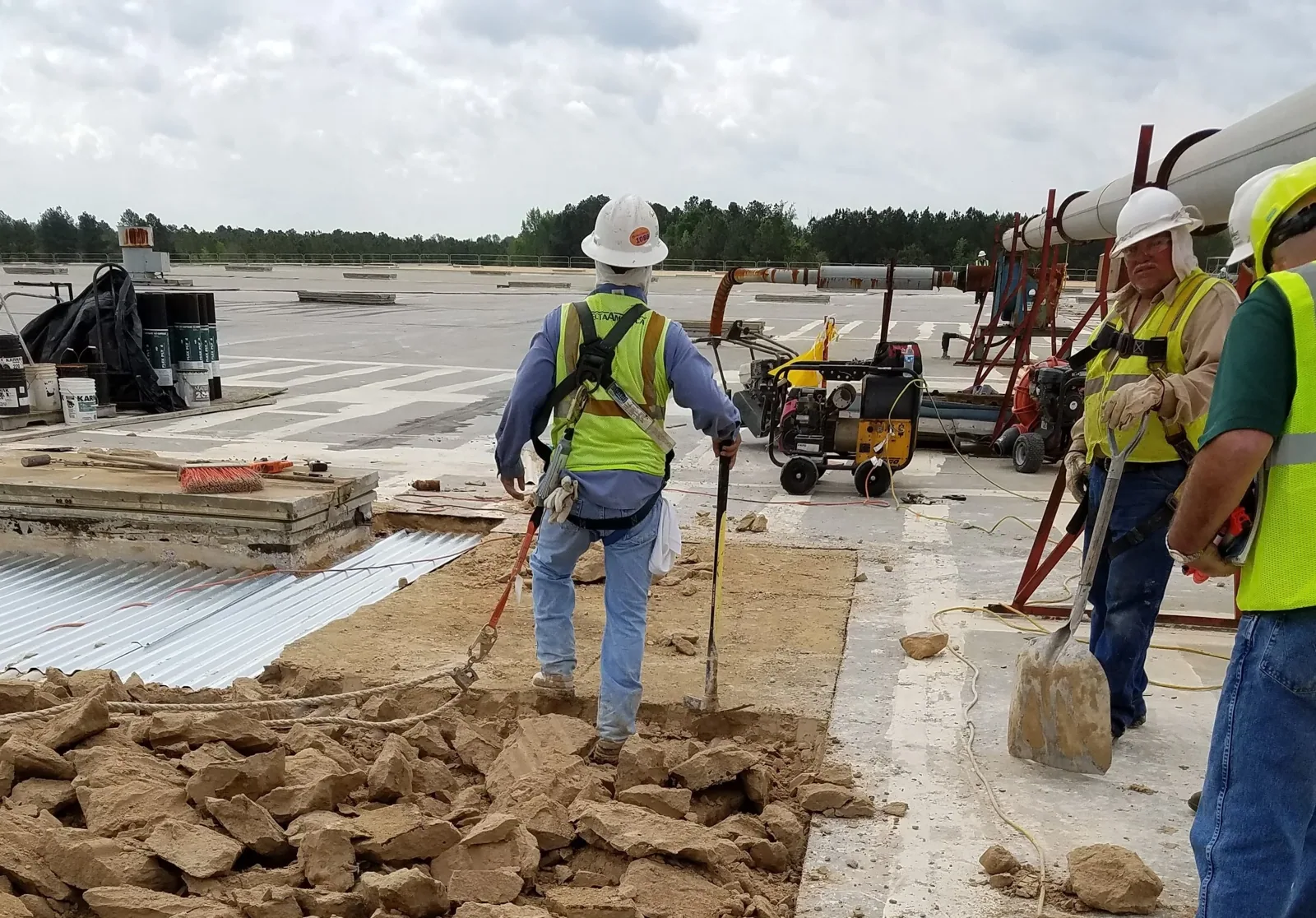
A useful estimate describes work the crew can perform: preparation, compatible materials, removal depth, deck review, flashing changes, and closeout checks. It also notes access, lift, weather, and occupied-hour assumptions that may affect the sequence. We separate confirmed repair quantities from allowances for concealed conditions. If opening the membrane exposes wet insulation or damaged deck, we photograph the finding and present a revised boundary before expanding the work. That gives the owner a decision point rather than an unexplained change after crews are already committed.
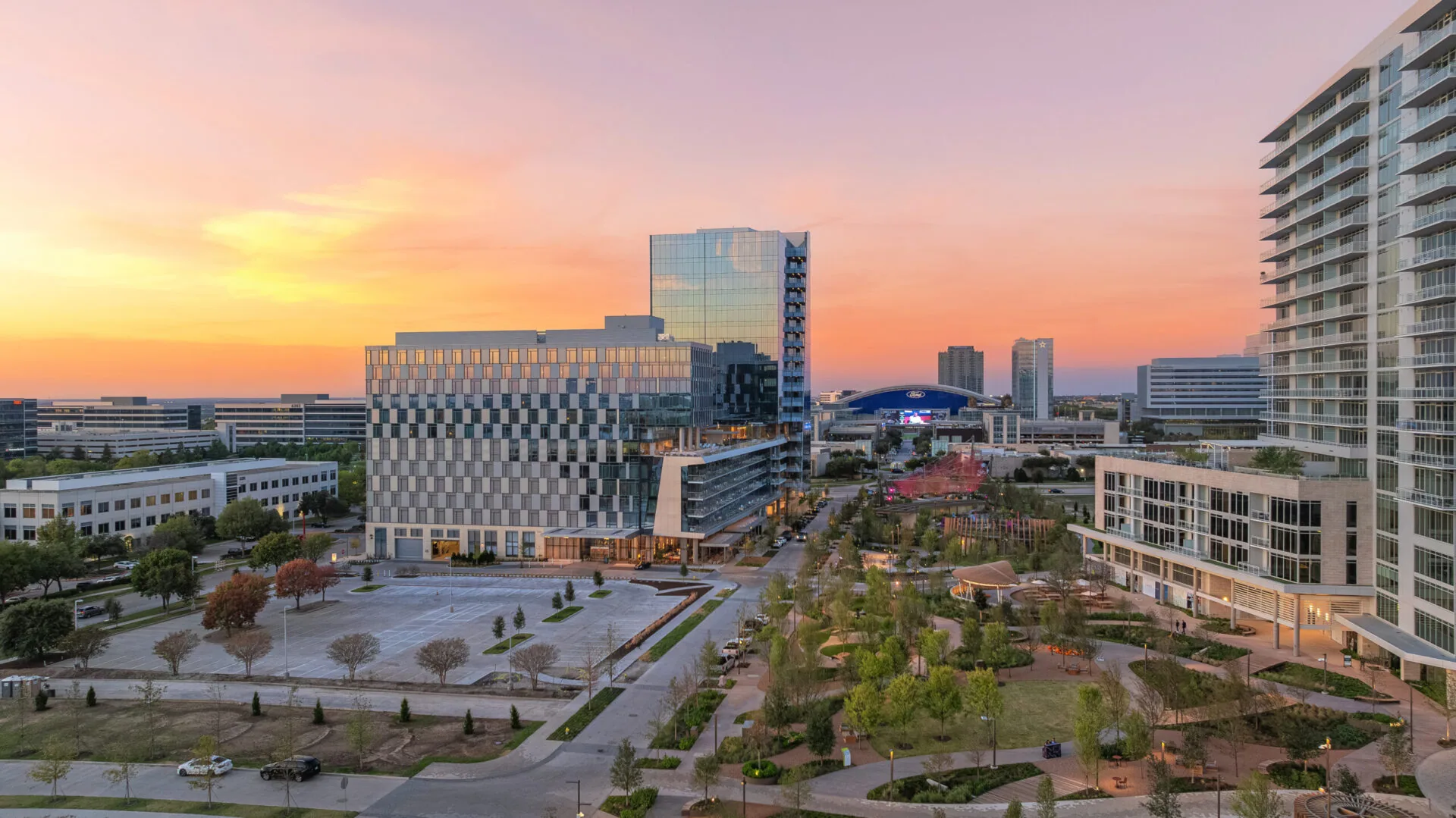
The property context can affect logistics without proving roof condition. Frisco planning treats the North Platinum Corridor as a broad corporate and mixed-use area, not a single building. Downtown reinvestment includes the Rail District, where storefront access and pedestrian activity may shape staging. We confirm the actual route with the site contact and show any protection needs in the estimate. For a leak tied to a storm event, a water-entry repair can be priced apart from unrelated maintenance items, leaving the claim file with a focused work record.
Coordinate the Roof Work with the Review Window
Documentation and roof stabilization can move on different schedules. The building owner may need immediate temporary protection while an adjuster visit or internal approval is arranged. We can identify what needs to remain visible, what can be safely protected, and when a follow-up inspection can occur. We do not delay urgent water control solely to preserve a photograph, and we do not remove evidence without noting the work and timing. The report records who authorized access or repair and which areas were changed.
Weather is part of the timing decision. Spring is DFW's most active severe-weather period, but each property's work window depends on roof moisture, temperature, and forecast conditions. We close each opened area and record the materials installed before moving to the next section. If a tenant schedule or mechanical service call restricts access, we document the alternate sequence. An emergency response can address active entry while the permanent scope remains under review.
Give the Owner a File That Supports the Next Decision
The closeout file brings the inspection map, dated photographs, temporary-work notes, approved repairs, and open items together. We identify what has been completed, what was not included, and which roof sections need a later check. The property team can compare the final work with the original estimate and route any additional finding for approval. This keeps the contractor record useful even when the coverage decision or payment timing remains outside the roofing scope.
For multiple Frisco properties, consistent labels make it easier to track which roof section belongs to which building without treating every asset as the same system. We include material descriptions where they were confirmed and avoid inferring hidden assembly details from nearby developments. The Rail District and Dallas Parkway are useful local reference points for access planning, not substitutes for a site-specific address check. Once the file is returned, the owner has a dated repair boundary, a follow-up date, and a clear list of decisions still open.
Commercial Roofing Questions
Can a roof inspection confirm that an insurer will cover the repair?
No. We document roof conditions and the work needed to address them, while the insurer decides coverage under the policy. Our report separates observed findings, reported timing, and conditions that need more review. That gives the owner a factual roof record to submit without treating it as a coverage determination.
What should be photographed before temporary protection?
When safe, we record the affected roof section, nearby details, interior water evidence, and the reported location before installing protection. If immediate action is necessary, we stabilize the area and document what changed, when it changed, and which materials were used. Safety and interior protection guide the order.
How are emergency work and permanent repairs shown?
The file lists temporary protection separately from permanent repairs, with dates, locations, and materials for each. We identify the approved boundary and any concealed condition that still needs review. This lets the owner track immediate stabilization without reading it as completion of the full roof scope.
Will a regional hail or wind report establish damage at my building?
Regional weather information does not confirm impact on an individual roof. We inspect the property, photograph visible conditions, and identify any area that needs another test. The report distinguishes what we observed from the event information supplied by the owner.
Which details belong in a commercial roof repair estimate?
A clear estimate identifies the roof section, repair method, preparation, materials, access assumptions, work window, and closeout check. It separates confirmed work from allowances for concealed conditions. We can also show temporary protection and permanent repair as separate lines when both are needed.