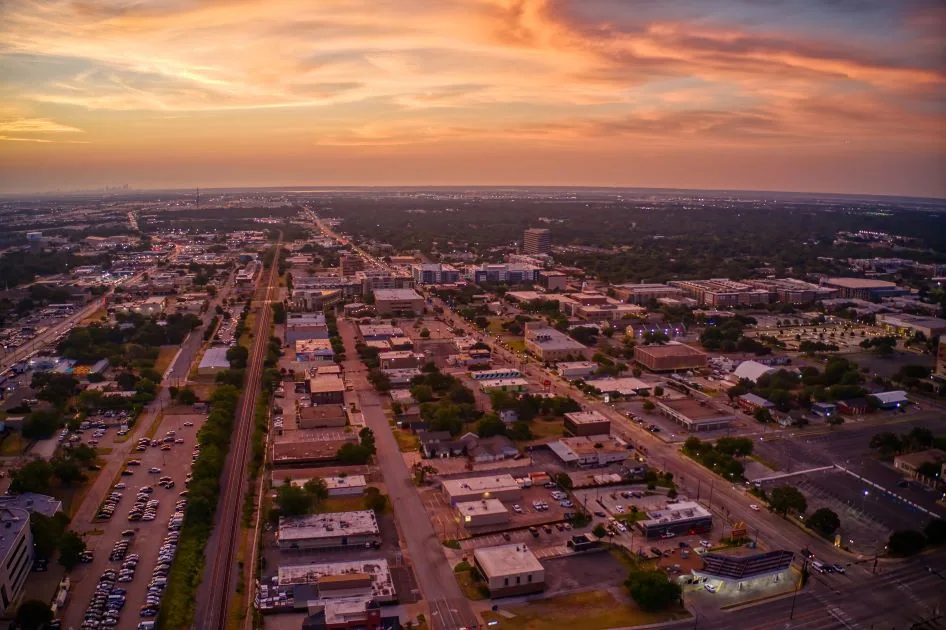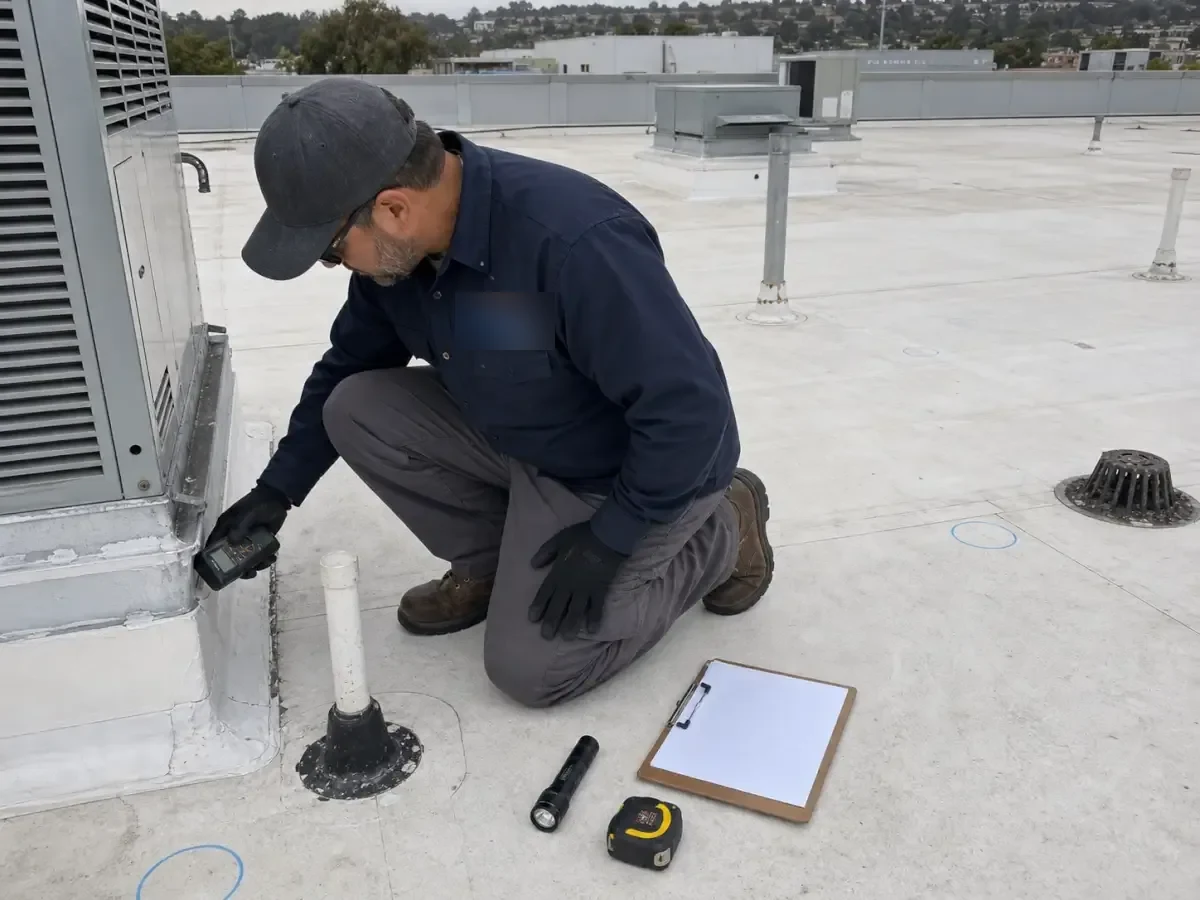
Roof work along FM 407 and FM 2499 must fit the building's actual access and operating hours. FM 407 and FM 2499 are Highland Village's principal commercial corridors, with retail, office, and limited light-industrial areas constrained by near build-out. The city context points to existing properties where repair timing can matter, but it does not tell us the roof assembly or condition. We inspect the reported section, record the access route, and define the next repair decision from what is present.
Frisco and Highland Village share DFW's summer heat and spring severe-thunderstorm exposure. July and August normal highs reach about 96 degrees, and North Texas sees its peak thunderstorm frequency in spring. Those facts guide inspection timing; they do not establish impact at a specific property. We check seams, penetrations, perimeter details, drainage, and prior repairs, then separate immediate protection from permanent work. An inspection for a Murphy property or commercial roof review in Denton receives a different section record.
Focus on the Two Commercial Routes
FM 407 and FM 2499 are recognized commercial corridors in Highland Village. City planning identifies retail, office, and limited light-industrial areas, with little remaining room for new build-out. That context makes the condition of an existing roof worth recording before a leak forces a rushed schedule. We do not assume every property along either route has the same tenant, structure, or membrane. The owner tells us how the building is used, and the inspection verifies the roof details.
For occupied space, the work plan notes entrances, customer paths, loading access, rooftop equipment, and the portion that can be isolated. A repair over an open office or sales area may need a different timing window than an unoccupied roof section. We identify the contact who can approve testing or temporary closure before the crew arrives. That way, the work boundary follows the property, while the corridor remains only local context.
Preserve What Can Be Repaired
Near build-out, a documented repair can help an owner keep an existing roof in service while comparing larger capital work. We inspect whether the defect is limited to one curb, flashing leg, seam, or drain connection. If surrounding material is sound and dry, a bounded repair may address the active issue. Repeated leaks, broad moisture, or attachment concerns across multiple areas move the comparison toward replacement. Each recommendation is tied to a roof section and evidence.
The first walk also records previous patches and coatings when visible. A new repair must bond to compatible material and leave the surface ready for weather exposure. If the assembly is concealed, we explain what a test opening will confirm and how the result could alter cost. A commercial repair scope names the included detail and excludes uninspected areas. If the evidence calls for a broader project, the owner can compare replacement options with the same condition record.
Plan Safe Access in Summer
DFW July and August normal highs are roughly 96 degrees. We choose an access period that gives the inspector time to document the roof without stretching a work window beyond safe limits. Heat can affect material handling and movement at a roof detail, but a weather average does not reveal a failed seam. We record the actual condition and identify whether the section can be repaired during that shift or needs a scheduled return.
Rooftop equipment, shaded areas, and open paths can change how a crew moves through a property. We verify the route with the site contact and avoid blocking service access. A photographed roof inspection can set a baseline for later comparison. If the property has limited access or a tenant calendar, we state the required time, staging, and closeout conditions in the scope rather than leaving them as informal notes.
Use a Storm Record, Then Inspect
The city has little remaining room for build-out, with commercial activity concentrated along FM 407 and FM 2499. Those conditions make a precise inspection boundary useful: a roof report should say which section was examined and which remained outside the visit, rather than imply a neighborhood-wide conclusion. After a reported storm, we compare the reported date and location with visible edge, seam, and drainage conditions on the actual roof.
North Texas severe-thunderstorm frequency peaks in spring, but a regional event alone does not establish damage at a particular Highland Village property. The owner’s photographs, any prior repair notes, and current observations form a timeline. When an impact is present, we record its location and whether temporary protection changed the surface. If the evidence does not support a storm-related condition, the report says so. A claim documentation file can distinguish observed conditions from routine maintenance, leaving the owner with a specific repair, testing, or follow-up decision.
Because commercial activity follows the city’s identified corridors, inspection access also needs a workable appointment and roof-entry plan. We confirm which portion can be reached during the visit and note any area postponed. That record lets the property team arrange a return without treating an inaccessible section as inspected. We also identify whether the visit covered the roof edge, field membrane, or drainage points, since a short view from one area cannot stand in for a complete survey.
Photos should show the affected detail in context, then close enough to capture the seam, edge, or penetration. Pairing those views with the observation date gives the facilities contact a record that remains useful after temporary cover is removed.
Keep the Next Spend Defined
Cost follows the repair area, roof height, staging limits, material compatibility, removal layers, insulation, and how long the building must remain protected. We separate a known repair from optional testing and show what condition would trigger extra work. If a repair can wait safely, we record a review date. If water is active, our response runs around the clock, and we identify temporary protection before final pricing.
With few new parcels expected in a near-built-out market, owners may be balancing maintenance against a longer replacement cycle. The roof inspection cannot make that financial decision for the owner, but it can describe the current condition, remaining unknowns, and likely work sequence. A roof capital plan can carry those facts into the next budget meeting without treating a future scope as an emergency. Share the building use, leak status, records, and decision window; we will return a prioritized repair-versus-replacement recommendation.
Commercial Roofing Questions
Do FM 407 and FM 2499 tell you which roof system my property uses?
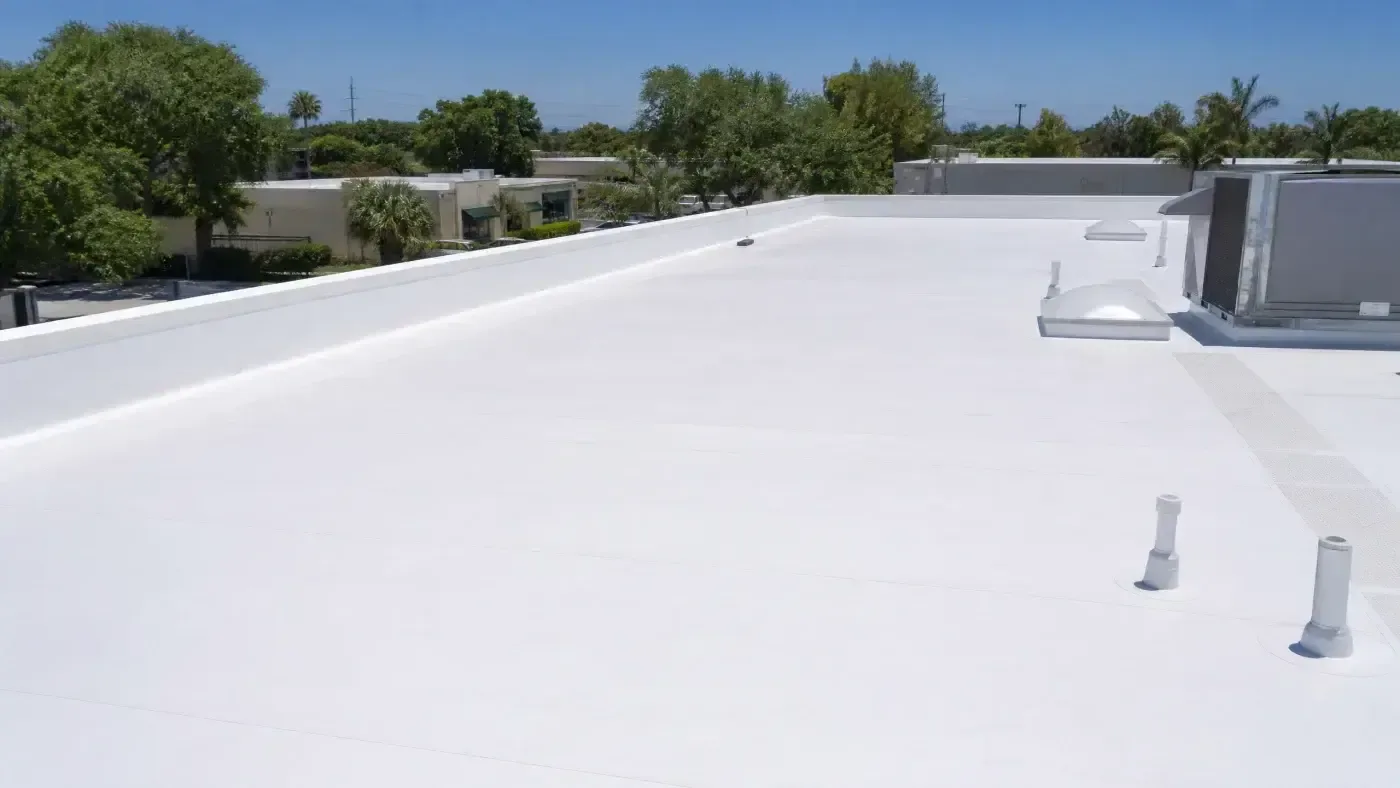
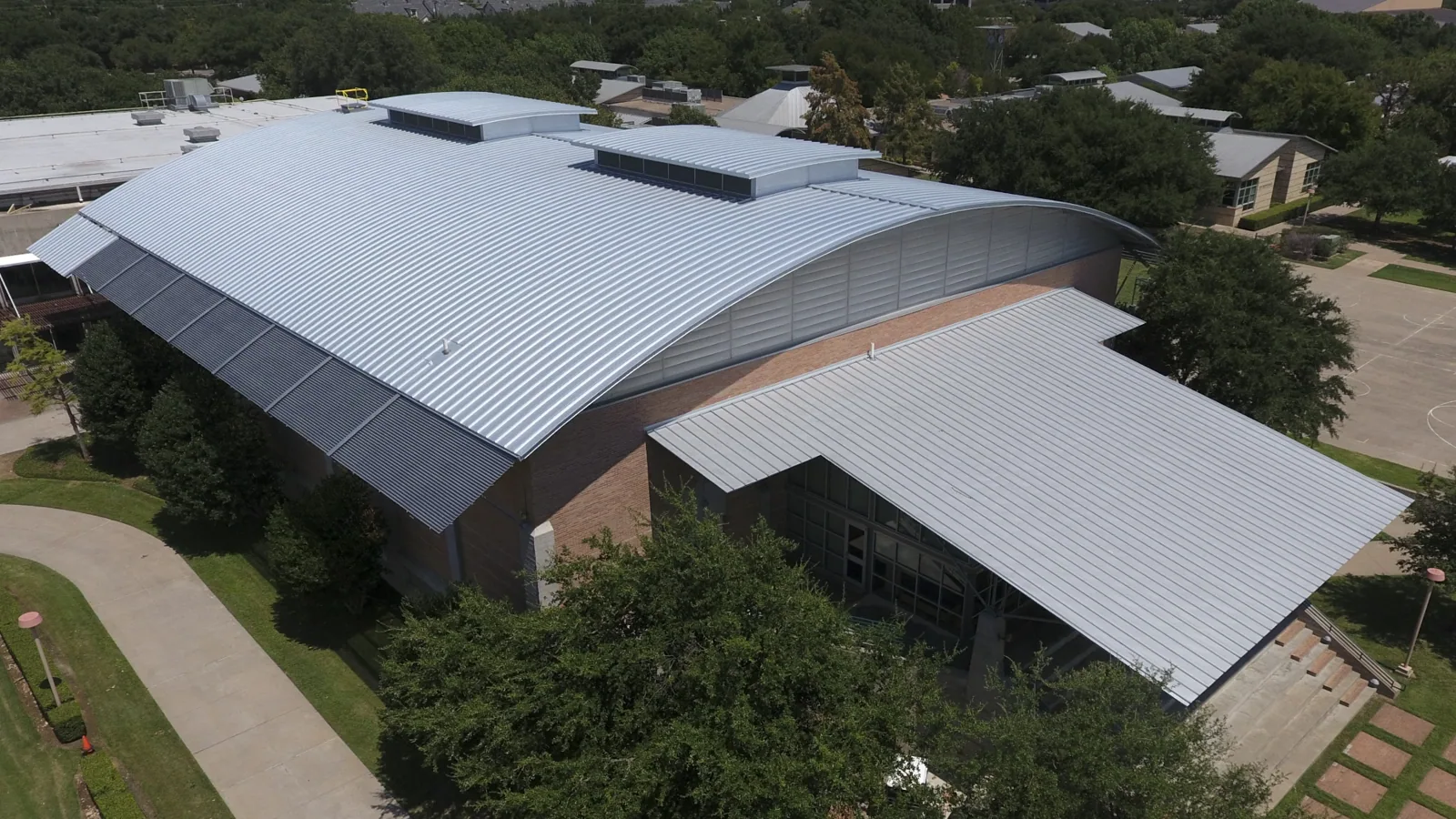
No. Those routes identify Highland Village commercial corridors, while an inspection confirms the assembly on the building. We record the membrane or metal, transitions, drainage, and prior work before selecting a repair method.
Does a near-built-out city mean replacement is the right choice?
No. The planning context does not determine roof condition. We compare a bounded repair with replacement only after checking moisture, attachment, recurrence, and the condition of adjacent sections.
How do you schedule a roof walk during hot weather?
We set the access period around safe roof conditions and the time needed to document and secure the section. The plan also accounts for equipment service and tenant access, so the crew can finish the authorized work within the available window.
What evidence supports a storm-related repair?
We photograph visible impact or a new opening and compare it with prior records. A regional storm report alone does not establish property damage, so the recommendation follows the observed roof condition and any required test.