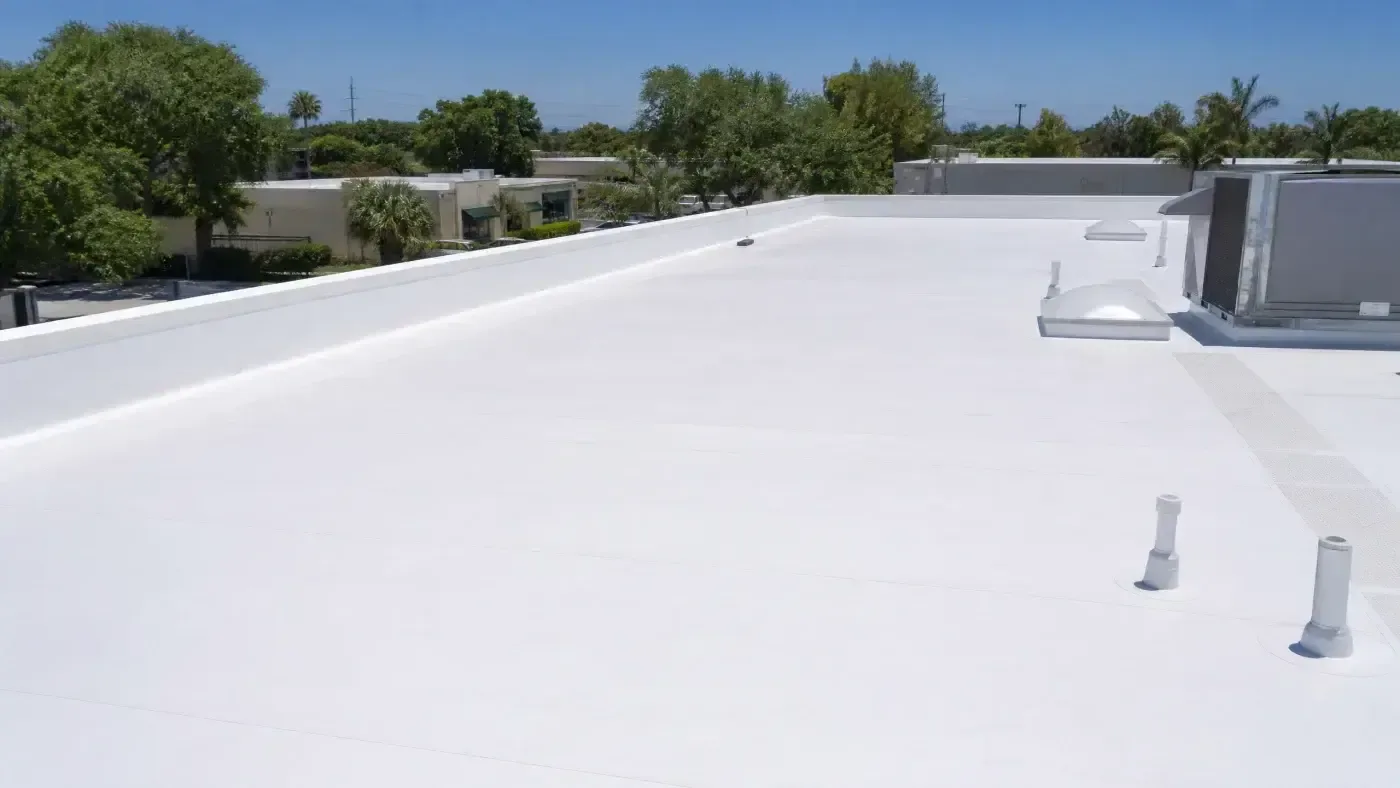
A separated seam or flashing leak on a Duro-Last roof needs a field check before anyone prices a larger membrane section. We inspect the PVC surface, welded joints, penetrations, edge transitions, and drainage, then mark what is confirmed. Frisco, TX business parks can include office, warehouse, distribution, and showroom forms, while downtown commercial buildings bring different staging limits. DFW summer heat and spring storms affect timing but do not diagnose a roof. Our first-hour plan protects active water, records the section, and sets a decision window. A roof assembly review documents the material, observed defects, and limits of the proposed work.
Read the Prefabricated Field Details
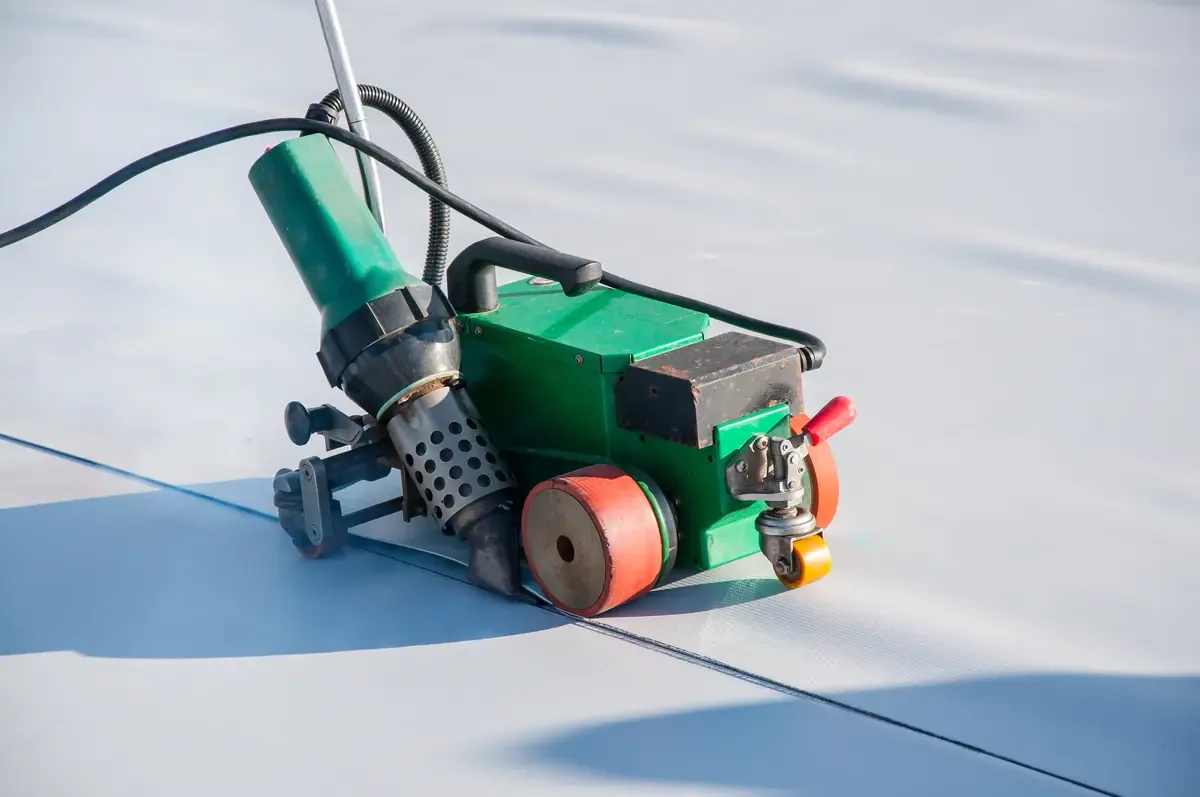
Duro-Last systems use PVC membrane, with prefabricated details available for many roof conditions. The installed layout still needs inspection: field seams, corners, penetrations, perimeter terminations, and later modifications all influence a repair. We review product submittals and prior work notes, then compare them with the visible membrane and welded joints. A rooftop unit added after installation may have a different flashing detail from the original field. We identify that difference rather than assume the whole roof follows one detail.
At a seam, we check weld continuity and whether the edge is secure near corners and curbs. At a penetration, we inspect the boot or prefabricated fitting, its transition, and any movement around the opening. A small failed joint can be repaired when surrounding material remains stable and dry. If moisture may extend below the surface, we map a test area and explain what the result would mean for scope. A PVC roof assembly and a TPO membrane require different compatibility checks, even when both are single-ply roofs.
Connect the Report to a Roof Section
A water stain can be several feet from the opening. We ask when it appeared, whether it followed rain or wind, and if the area is still active. Then we inspect roof transitions around the reported room, including seams, curbs, wall edges, and drains. We label photos by section and note temporary protection already in place. If the path remains uncertain, the owner receives a focused investigation option instead of a broad repair allowance.
May's DFW precipitation normal is 4.78 inches within an annual 37.01-inch average for 1991-2020. That context supports drainage checks after heavy rain, but it does not prove ponding at a particular property. We record standing water only when observed and ask when it was seen. If the outlet or scupper is obstructed, we list that work separately from a membrane seam repair. An outlet review can help clarify whether the next action belongs to drainage, flashing, or the field membrane.
Separate Immediate Work from Full Scope
When water is active, we protect the interior and document the roof before pricing permanent work. A temporary cover or short-term measure is listed separately from a welded patch or flashing correction. For the permanent repair, we prepare the surface, restore the compatible detail, and inspect the finished transition. The owner sees the work area, included labor, and any adjacent finding that needs separate approval.
Cost and timing change with access, roof height, staging, preparation, occupied hours, and the amount of membrane that must be opened. A planned group of seams may be more efficient than repeated isolated visits, but only if the condition map supports combining them. Our commercial repair plan identifies immediate protection, permanent corrections, and optional testing. When moisture or repeated failures extend beyond isolated details, a replacement comparison can be priced from the same map. The owner can compare the next spend without mixing it into an emergency line.
Plan Access Across Frisco
Frisco’s land-use framework distinguishes the business-park category from other employment areas. A proposal for warehouse, distribution, or showroom use remains subject to the parcel’s zoning and approved truck access. A planning description is not a count of existing roof types. We confirm each building's delivery path, loading hours, access hatch, lift position, and material staging before scheduling a repair. Frisco’s mobility plan treats the Dallas Parkway and US 380 as important links. Before mobilization, the contractor still verifies the legal truck approach, property entrance, and unloading point.
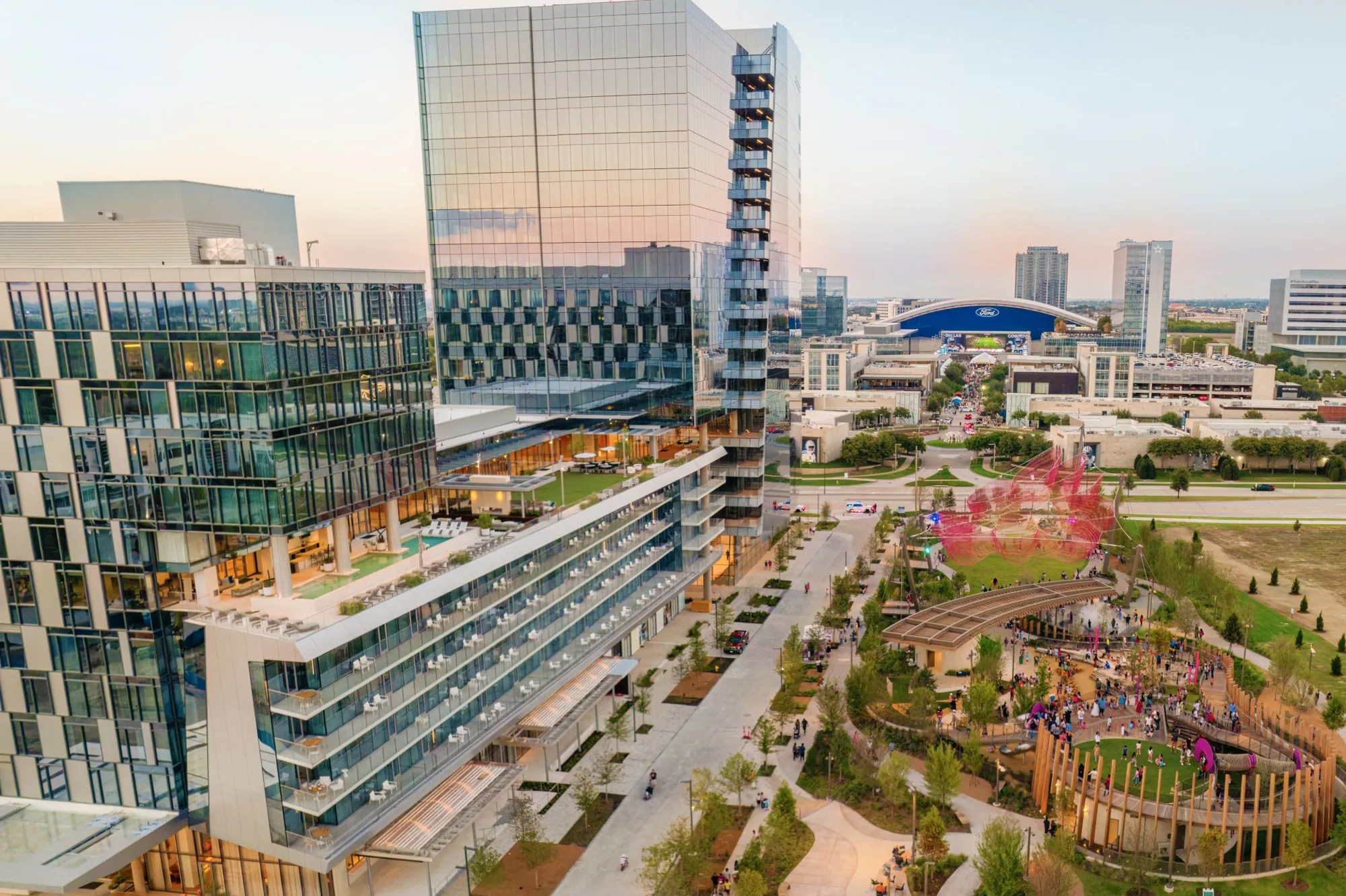
The Rail District’s historic commercial blocks are part of downtown reinvestment efforts. North Platinum includes larger corporate and mixed-use development; those area profiles suggest questions for the manager but do not predict access at a particular building. Those broad contexts can influence coordination without describing any specific assembly. A typical DFW July daily high is 95.6°F; August averages 95.8°F. We check actual surface conditions and material limits before setting the summer work window. We coordinate roof access with occupied hours and weather conditions. A North Platinum property and a Rail District building each receive a site-specific staging and notification plan.
Set the Repair or Replacement Date
A contained seam or flashing repair can work when surrounding material is sound and the defect is isolated. Repeated openings, moisture across multiple sections, or an expanding correction list may justify a replacement comparison. We map confirmed conditions, identify unresolved questions, and show the work boundary for each option. If testing could change the recommendation, we state the test area and decision it will support before opening material.
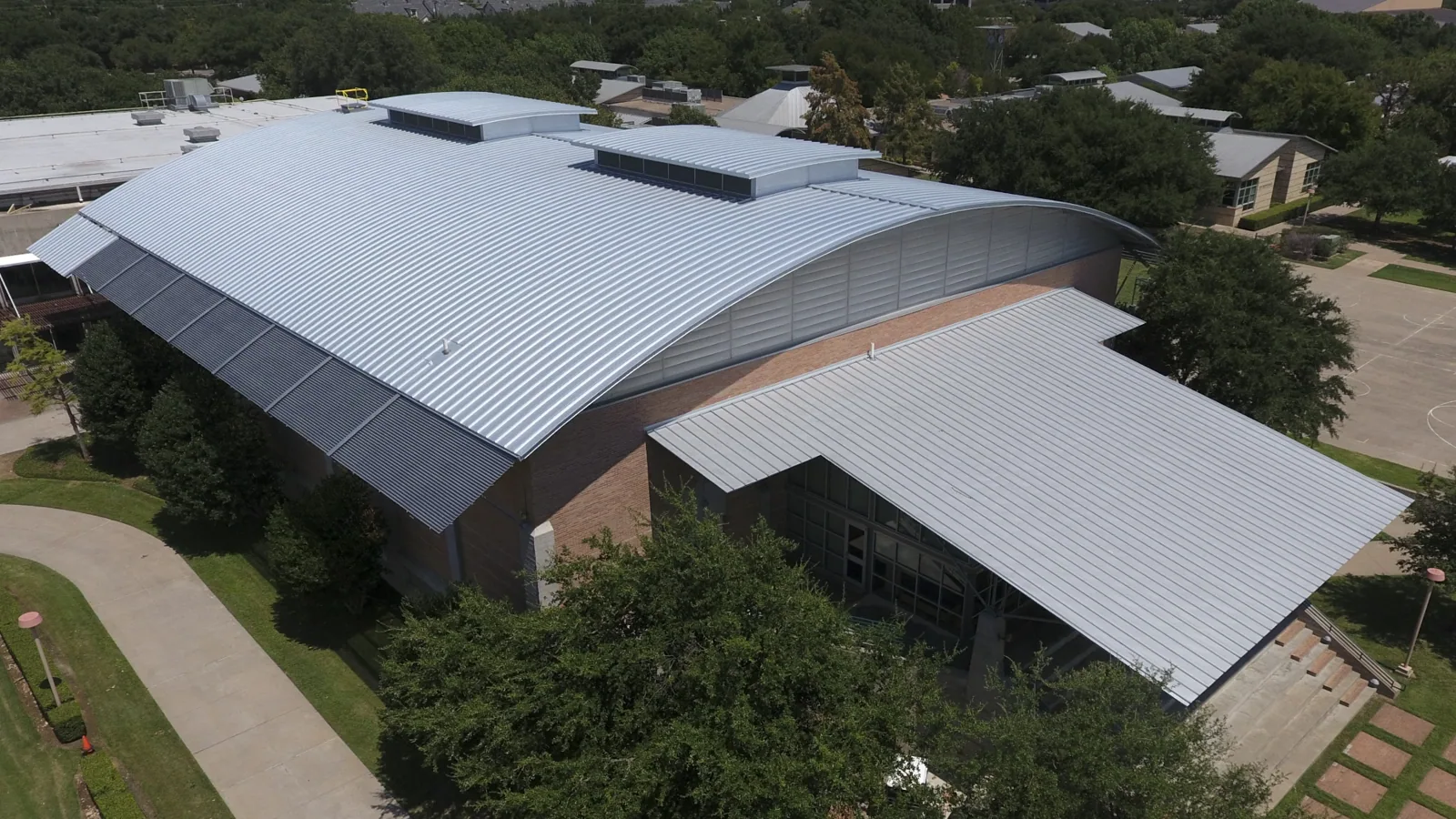
Ownership records may include membrane submittals, warranty paperwork, repair photos, and maintenance notes. We compare those with field conditions but do not infer coverage or approval. A condition report organizes locations, photographs, and priorities for the next budget review. For an alternate material perspective, an owner may assess GAF commercial products alongside Carlisle SynTec systems after a field review establishes the Duro-Last assembly and the project criteria. The recommendation ties immediate water control, access, capital timing, and the next spend together.
Commercial Roofing Questions
Can a Duro-Last seam be repaired in one visit?
A single visit may fit when the defect is accessible, the surrounding PVC is stable, and preparation and weather conditions support the repair. We inspect nearby corners and transitions before confirming that boundary. If moisture testing or additional openings are needed, we separate that work from the initial seam correction. The owner receives a realistic access window and a check of the completed weld.
How do prefabricated details affect a roof repair?
A fitting or corner made for a specific detail can change how the repair ties into the field membrane. We verify the existing configuration, check its welds and terminations, and determine whether the fitting remains usable. A later rooftop modification may not match the original layout. The scope states whether the detail can be repaired or needs a new compatible component.
Will a PVC roof inspection show hidden moisture?
A visual inspection can identify surface conditions and likely water paths, but concealed moisture may need a suitable test or controlled opening. We explain which method can answer the owner’s question and how much area it covers. Findings are mapped to roof sections so the next decision is tied to evidence. If the test does not support a broader scope, that limit is recorded too.
What should a Frisco owner provide before scheduling?
Share the leak status, roof access instructions, building use, delivery limits, and any Duro-Last records available. We can then plan staging, tenant communication, and a work window that fits the property. If there is active water, note where it appeared and what protection is already in place. Those details help set the first visit without assuming a roof condition from the report alone.
When does a seam repair become a replacement discussion?
A replacement comparison becomes useful when seam failures repeat, wet areas extend across sections, or the repair list keeps expanding. We document those observations and identify any needed testing. Repair and replacement receive separate boundaries, access assumptions, and budget timing. Ownership can approve immediate protection while keeping the larger capital decision open until the condition evidence is complete.