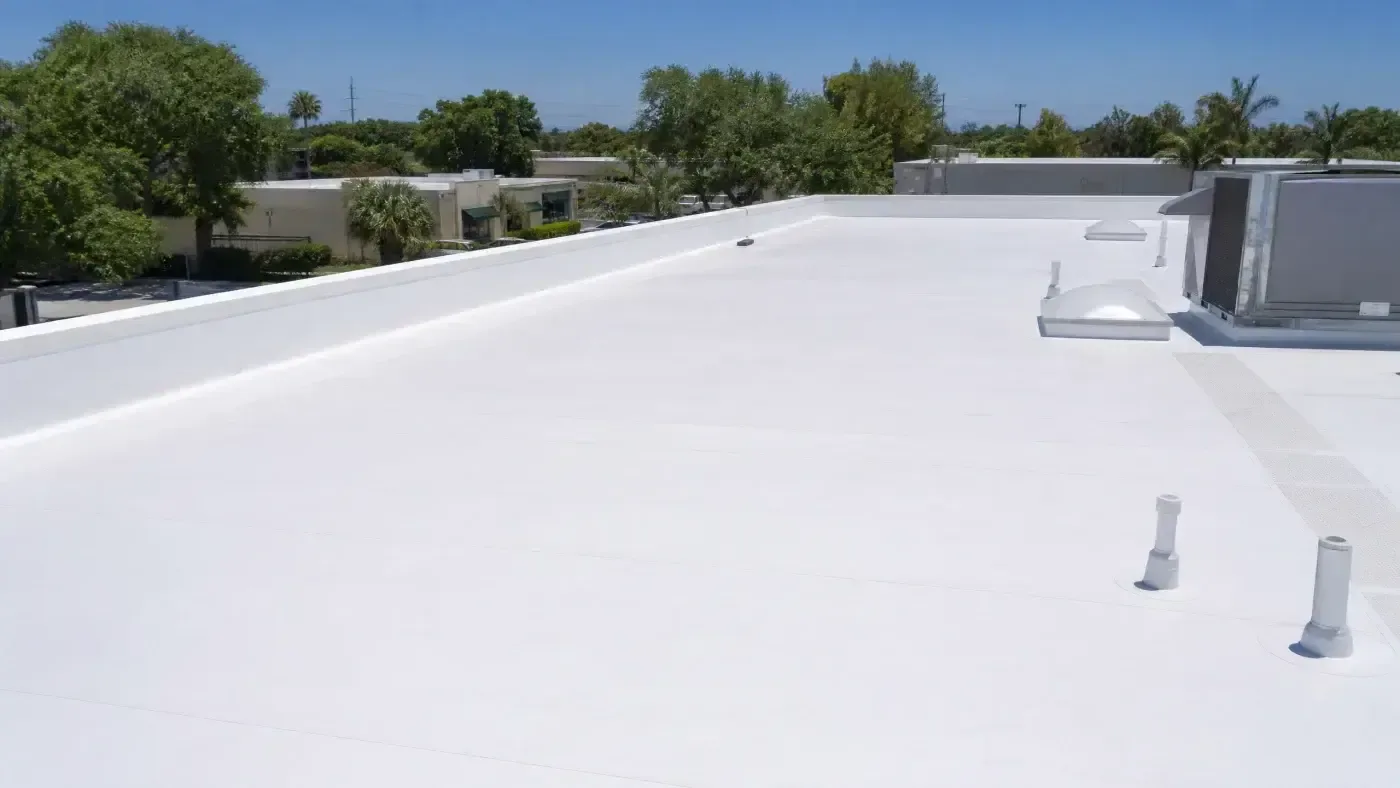
A lifted edge or open seam on a GAF roof creates a short decision window: protect the interior, identify the assembly, then price a lasting repair. We inspect membrane, flashing, seams, penetrations, drains, and nearby insulation, recording what is visible and what needs testing. In Frisco, TX, a corporate property in the North Platinum Corridor can have different access controls from a storefront in the Frisco Rail District. Hot DFW summers and spring storms affect work timing, but do not prove this roof was damaged. Our first-hour plan controls active water, marks the roof section, and sets a safe next step. Before work is authorized, an inspection record connects each observed defect with the roof section and the next decision.
Identify the Assembly First
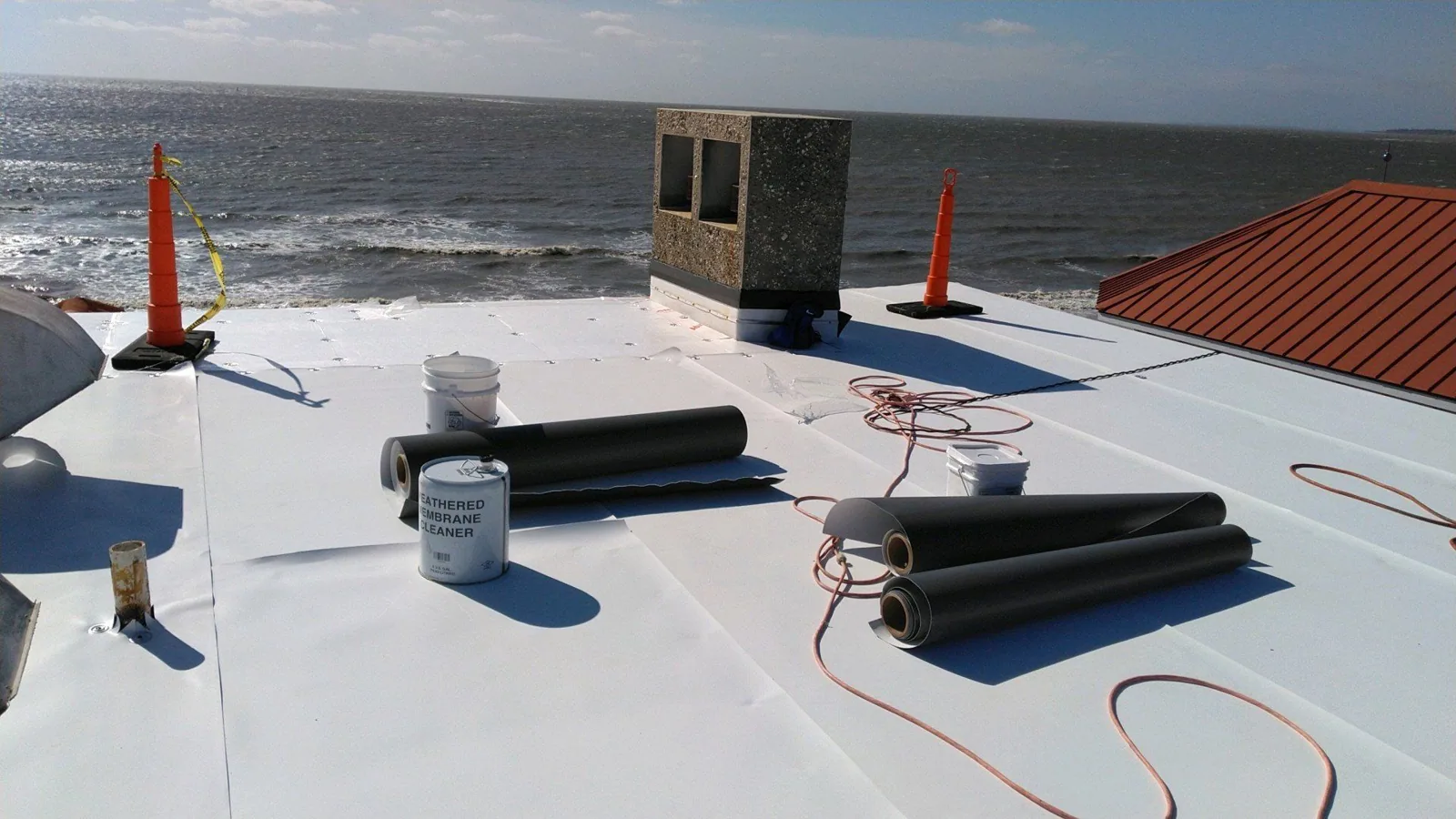
GAF commercial roofing can refer to different membrane and roof assemblies, so an old invoice is only a starting point. We look for labels, seam details, flashing transitions, cover board, insulation, and visible coating or surfacing. A later repair may have introduced another material. That changes what can be welded, bonded, patched, or left in place. We photograph the condition by roof section instead of treating the building as one repair area.
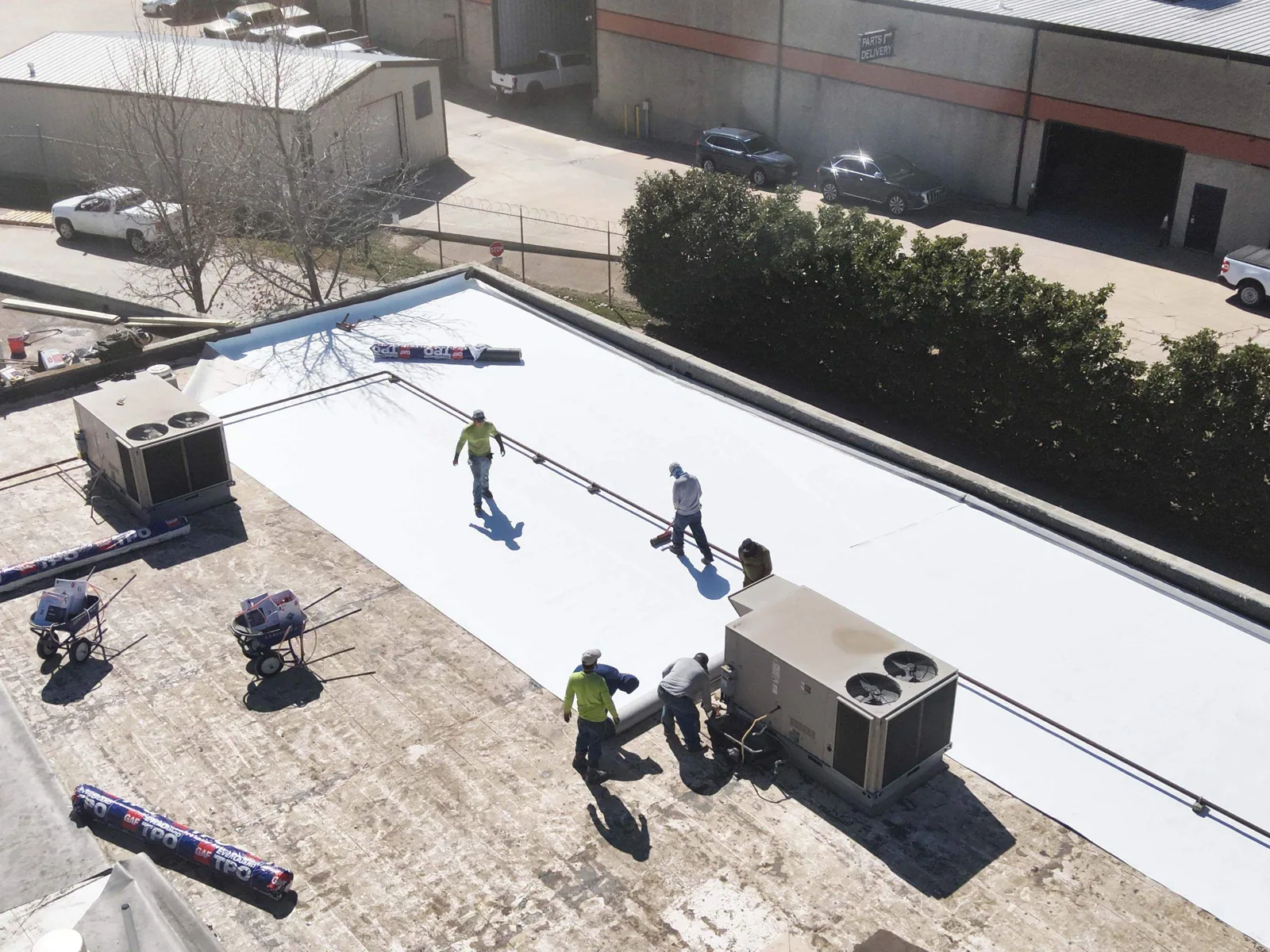
On a single-ply roof, we check whether the membrane is secure at corners and edges, whether penetrations have stable flashing, and whether water can reach a drain or scupper. Surface appearance cannot confirm a hidden layer. If moisture below the membrane could change scope, we mark the area for evaluation instead of covering evidence with a quick patch. A TPO roof assembly or a PVC membrane roof needs material compatibility confirmed. Owners comparing manufacturer systems can also review Carlisle SynTec assemblies and Versico membrane options against the conditions recorded on their own building.
Separate Water Control from Permanent Work
With active water, the immediate assignment is protection. We locate the reported interior mark, inspect the corresponding roof area, and record temporary measures apart from permanent repair. A wet ceiling can be away from the entry point, so the water path matters. We check nearby seams, curb corners, wall transitions, and drains, then give the owner a scope boundary. If the source is not visible, the next spend may be a focused test rather than a broad opening.
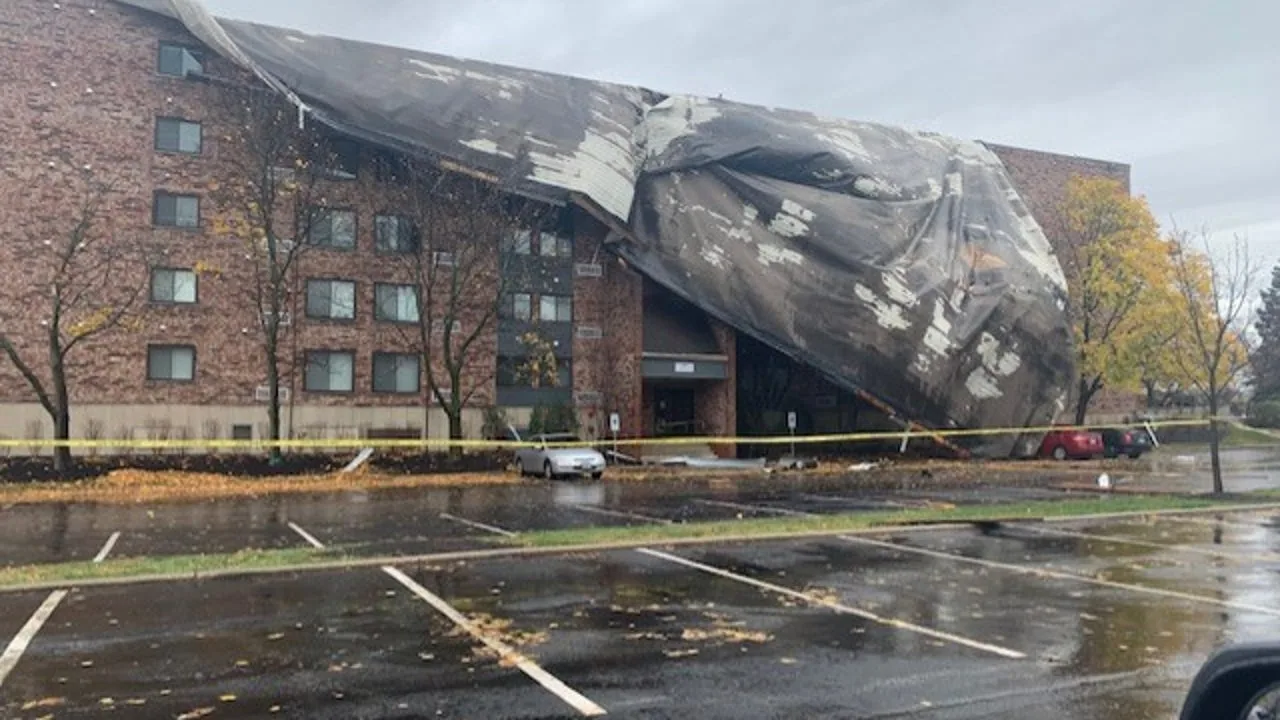
Spring is the peak severe-thunderstorm period in the DFW region, and hail or damaging wind can occur somewhere in the Metroplex in most years. That regional record supports a careful inspection; it does not prove a specific building took an impact. We document punctures, displaced edge metal, open laps, or debris only where observed. A new report can be handled through our hail-damage inspection process, with confirmed conditions kept separate from assumptions. The owner can then decide what requires prompt repair and what fits a scheduled visit.
Choose a Repair Line
A contained repair may fit when the surrounding membrane is sound, dry, and compatible with the proposed materials. We prepare the area, remove failed material as needed, complete the repair, and check the transition. If seams, penetrations, or wet areas appear across roof sections, a patch list may hide repeat mobilization cost. The owner should see the immediate repair line beside the wider condition evidence.
We price access, occupied hours, staging, preparation, and how much material must be opened. A low initial scope can leave known entry points unresolved. Our commercial roof repair plan separates emergency protection, discrete corrections, and follow-up testing. We state what is included, what remains uncertain, and which observation could change the recommendation. That keeps a first invoice from quietly turning into a replacement project without a new decision.
Set Access and Weather Windows
Frisco's business-park land use is predominantly nonresidential, with office and modern-industry forms leading the category. Warehouse, distribution, and showroom forms remain subject to parcel zoning and truck-route access. Each property still needs its own loading and roof-access review. We confirm lift placement, delivery limits, tenant notices, and the path from staging to the work area. Frisco's transportation plan treats Dallas Parkway and US 380 as growth links. We verify the permitted delivery turn, loading route, and staging entrance at the job property.
Summer heat affects membrane handling and the safe length of a roof shift. The DFW climate record puts July's average high at 95.6 degrees and August's at 95.8. We use that seasonal signal to plan roof hours, not to diagnose a membrane. We coordinate staging and occupied hours with the building schedule. The North Platinum Corridor and Rail District are broad contexts; the access plan still follows the actual building. That distinction matters where office occupants, loading activity, or narrow downtown staging compete for the same work window.
Compare the Next Spend
A repair-versus-replacement decision needs condition and timing in one view. We identify active leak areas, localized repairs, and conditions that need testing. Then we compare the repair scope with repeat-entry risk, disruption from broader work, and the owner’s budget date. Appearance alone does not establish remaining life. When evidence supports multiple paths, each option gets a boundary and stated unknowns.
A larger assembly may require material identification and records for a capital or warranty review. We inspect available documents without inferring coverage or promising manufacturer approval. A written roof condition report aligns photographs, locations, and recommended actions. If replacement is the better next step, we confirm layers, drainage, edges, and permit path before setting the schedule. The plan shows what can proceed now, what requires approval, and when the next cost decision is due.
Commercial Roofing Questions
Can a GAF membrane be repaired without replacing the full roof?
A localized repair may be appropriate when the surrounding membrane, seams, flashing, and substrate are sound and compatible with the repair material. We inspect beyond the visible defect, map any nearby moisture concern, and show where the repair stops. If findings extend across several sections or the assembly cannot be identified, we price testing or a broader scope separately. The recommendation follows observed condition, not the brand name alone. We also compare findings with the available maintenance record so a new proposal does not repeat work that was already completed.
What should be checked after a hail report in Frisco?
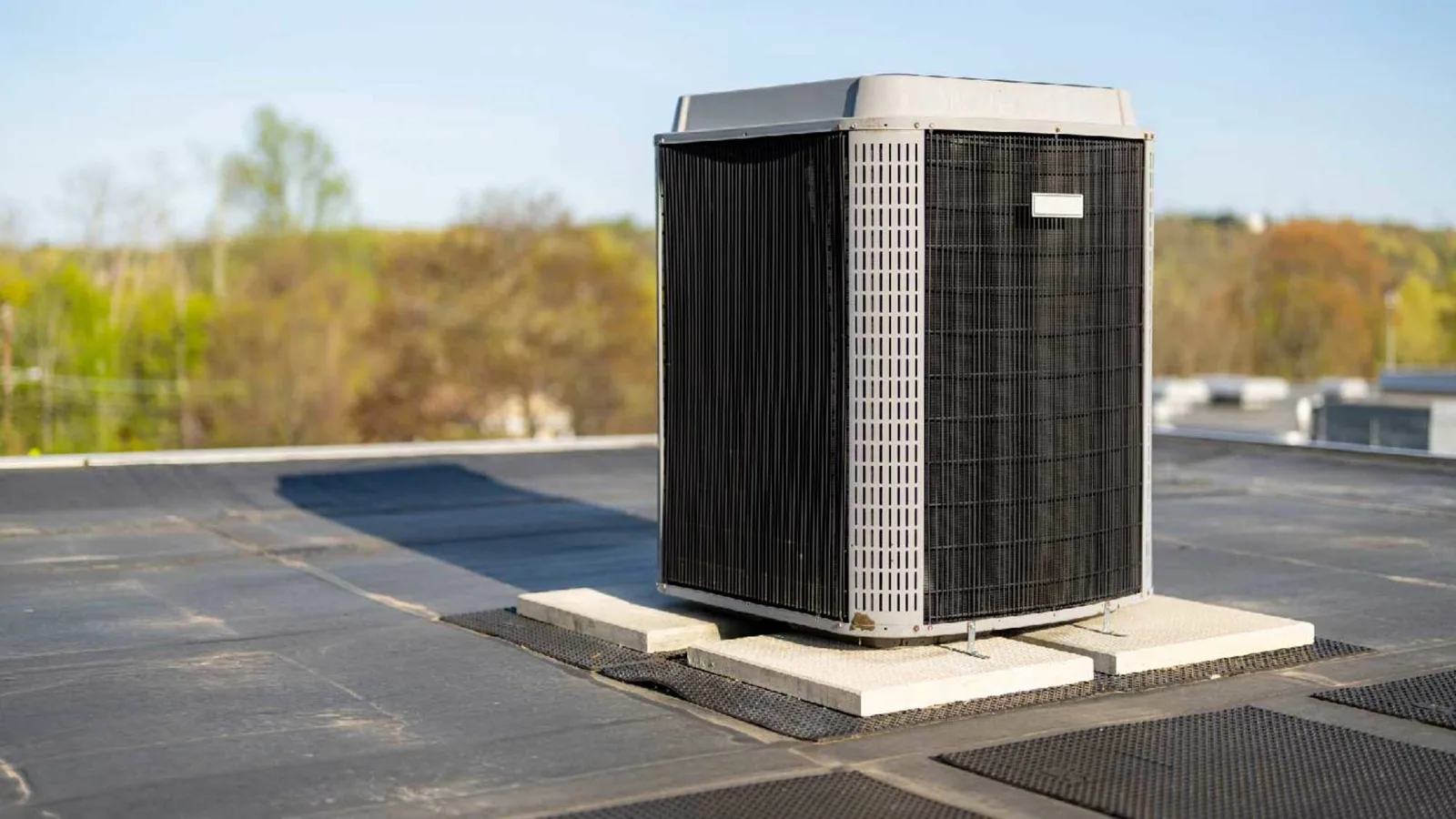
Start with the storm date, reported interior symptoms, and safe roof access. We inspect membrane, edge metal, penetrations, rooftop equipment, and drainage for observable changes, then photograph each finding by roof section. Spring hail and wind activity occurs somewhere in the Metroplex nearly every year, but an event does not establish impact at a specific property. The owner receives a repair line for confirmed damage and a separate note for anything that needs further evaluation.
How do summer temperatures affect a GAF roof repair schedule?
Heat affects the work window, surface handling, and crew exposure. DFW climate normals report July and August average daily highs above 95 degrees, so we plan staging and roof time around actual conditions. That regional number does not tell us the temperature at a specific roof or prove membrane failure. We confirm site conditions, product requirements, access, and occupied hours before setting the repair date.
Can you confirm warranty coverage before beginning work?
We can review the records the owner provides and document the existing assembly and proposed scope. Coverage terms, exclusions, transfer status, and approval requirements depend on the applicable documents and manufacturer process. We do not promise an approval or infer a term from a product label. If warranty coordination matters, we identify the question before intrusive work and keep the repair scope distinct from any separate review.