A Carlisle SynTec seam that has opened near a curb creates two decisions: control any active water and confirm which materials meet at the repair. We inspect the membrane, seam, flashing, insulation, and drainage, then mark the affected roof section before pricing. Frisco, TX properties range from business-park offices to older downtown commercial buildings, with different roof access and occupied-hour constraints. DFW summer heat and spring storms influence when work can proceed, but they do not establish what happened to this roof. We begin by limiting interior exposure, locating the affected roof section, and confirming the immediate decision with the owner. A roof inspection connects the observed seam to a repair line the owner can approve.
Confirm the Material at the Seam
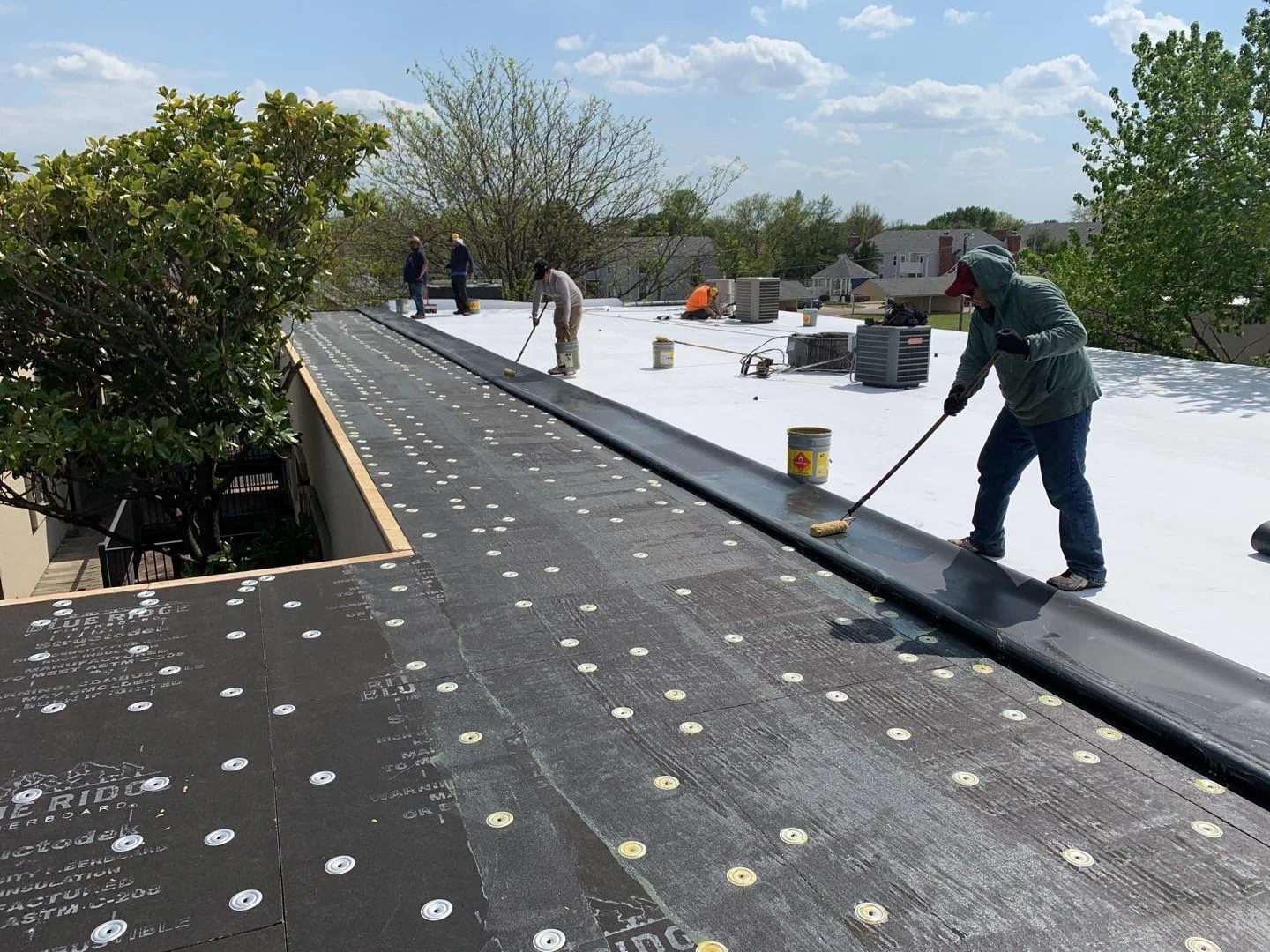
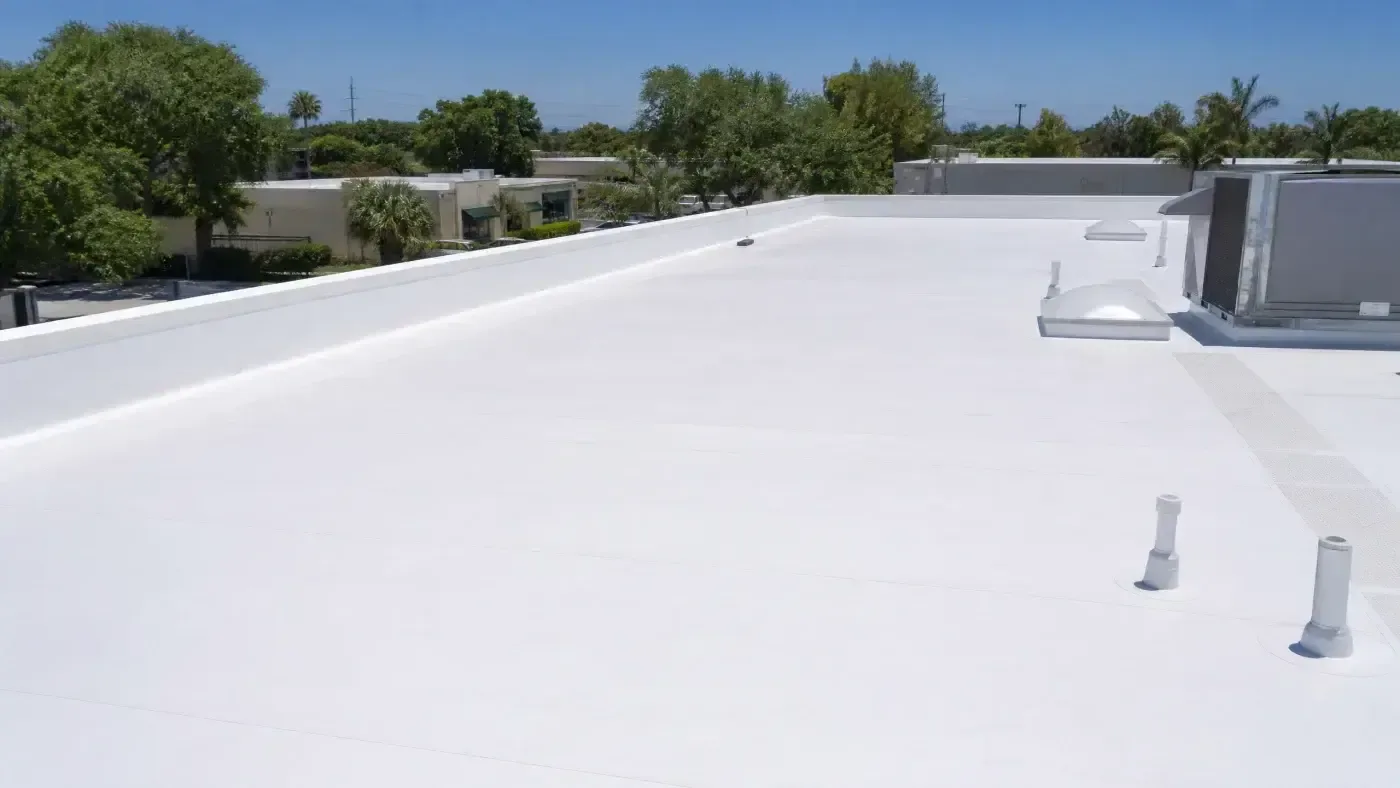
Carlisle SynTec assemblies can include different single-ply membranes and insulation configurations. We verify the installed surface using available records, labels, field appearance, and detail construction. Then we inspect welded or adhered seams, corners, wall transitions, penetrations, and the perimeter. A repair on an older section may use a different membrane than a later addition, so a product name alone cannot set the method. The work scope identifies the actual section and material before heat welding or adhesive is selected.
On a field seam, we look for separation, contamination, fishmouths, or a prior patch that has not remained secure. At a penetration, we check the flashing and its tie-in to the field membrane. If insulation is damp or the roof assembly is uncertain, opening one small area may answer a larger question than covering the surface. The owner can compare that test with a limited repair and see the cost and schedule effect of each. An EPDM assembly may require different repair steps, so compatibility is confirmed in the field.
Read the Water Path
A ceiling mark may sit several feet from the entry point. We trace likely paths around seams, curb corners, wall edges, and drains before assigning a permanent repair. The report labels the interior location, corresponding roof section, and any temporary protection already in place. This keeps an emergency patch from being mistaken for the finished scope. When water has reached insulation or concealed materials, we state what can be seen and what needs a controlled opening.
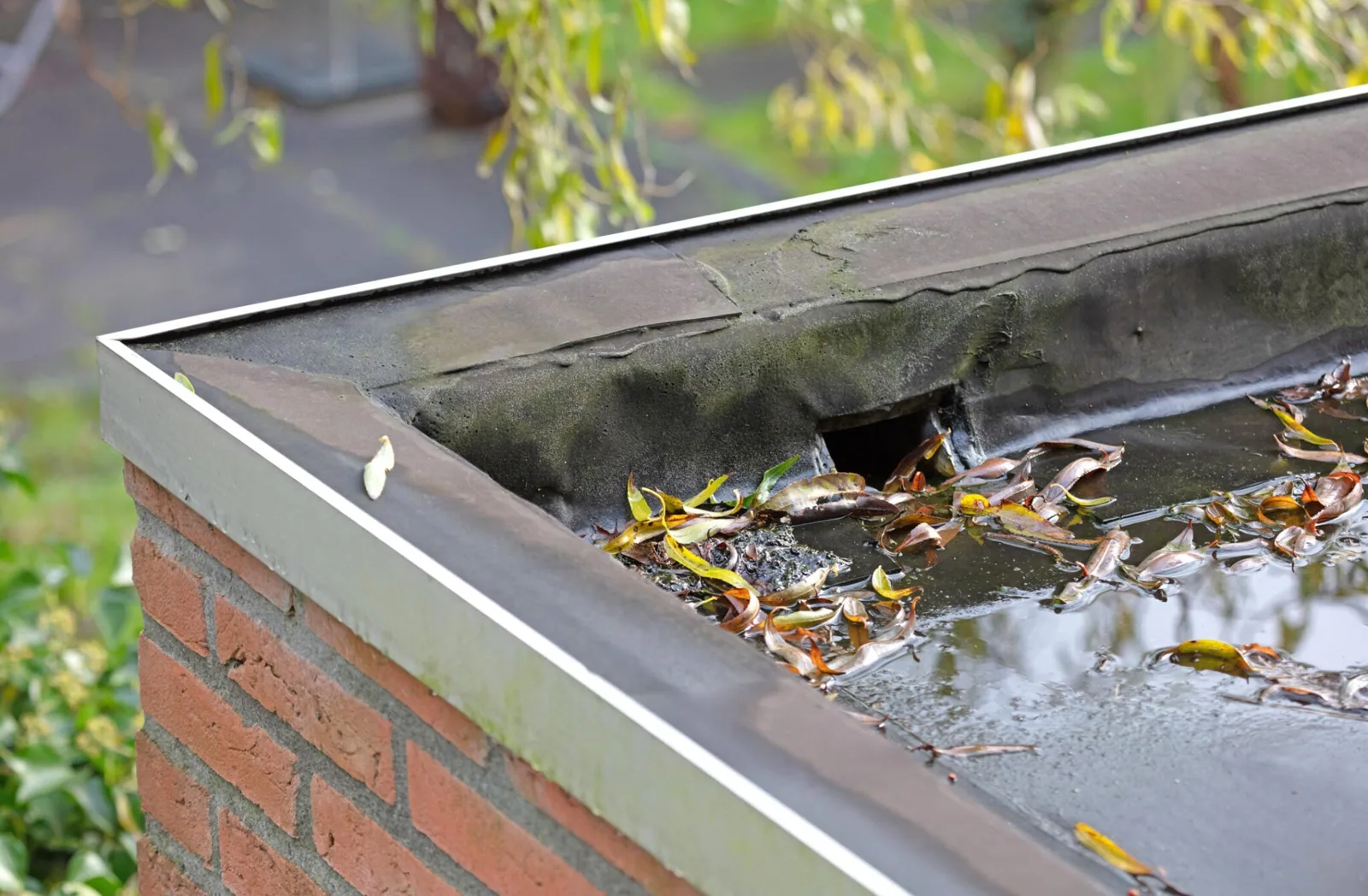
DFW receives its highest precipitation totals in May on the 1991 to 2020 normals, with annual precipitation near thirty-seven inches. That climate record makes drainage and water-path review relevant; it does not say a particular roof has ponded or leaked. We check whether drains and scuppers are clear, whether adjacent surfaces direct water toward them, and whether an overflow route is visible. If water remains after a storm, we document its location and duration when the owner knows it. The drainage review can be part of a broader condition map instead of an isolated drain repair.
Keep the Repair Boundary Visible
A local seam repair is easier to evaluate when its limits are clear. We identify the affected seam length, material preparation, patch or weld extent, nearby flashing, and the post-repair check. If adjacent seams show similar movement, we note them separately rather than silently adding them to the initial approval. The owner receives a repair line for current conditions and a separate option for additional work. This makes a changed scope visible before it changes the invoice.
Cost depends on access, roof height, occupied hours, staging, and whether the surface can be prepared in the available weather window. Repeated isolated repairs can carry a different mobilization cost from a planned group of corrections. We show the decision date for each option and what observation would move the recommendation. A commercial repair scope can include immediate protection, permanent seam work, and follow-up review as distinct items. If the roof needs more than a patch, a replacement comparison can use the same roof-section map and condition evidence.
Fit Work to Frisco Access
In Frisco’s adopted land-use map, the business-park category centers on office and modern-industry development; warehouse, distribution, or showroom proposals remain subject to parcel zoning and truck-access conditions. Those property types can require different material deliveries and staging positions. We confirm roof access, lift placement, delivery windows, tenant notices, and any limits on loading before scheduling work. The city’s Dallas North Tollway and US 380 mobility network provides regional context, but a truck route and permitted property entrance must be checked for the actual job.
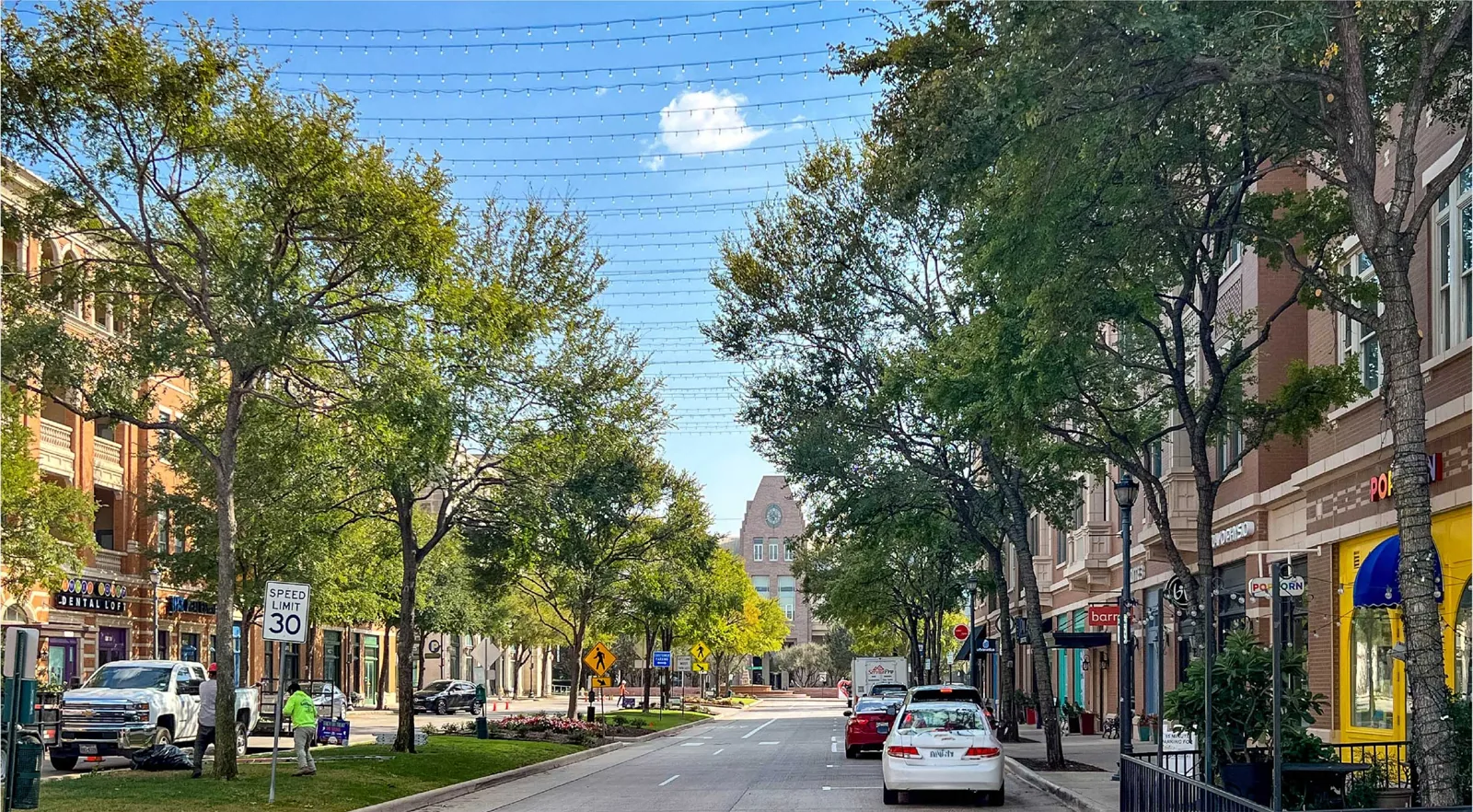
The city describes historic commercial stock and reinvestment in its downtown Rail District. North Platinum has a different mix of larger corporate and mixed-use development, so field crews confirm property access instead of assuming the same staging plan. We ask each owner how access and occupied hours work at the actual building. These broad areas help explain why roof access and occupied hours vary, not what any specific assembly contains. July and August DFW normals show average highs above 95 degrees, so the work window and crew exposure need attention during summer repairs. We coordinate material handling with observed weather and building operations. A Rail District property or a North Platinum site receives a plan based on its own access and roof details.
Compare the Next Capital Step
Repair remains useful when the membrane around the seam is stable and the surrounding assembly does not show broader failure. Replacement becomes a stronger option when repeated openings, widespread wet insulation, or end-of-life conditions make a patch sequence difficult to defend. We document those findings by roof section and identify missing information before giving a recommendation. The owner can see what work addresses active water now and what belongs in a separate capital plan.
Available records may include prior repair notes, warranty paperwork, drawings, and material submittals. We compare those documents with field observations, but do not infer coverage or approval from a brand label. A condition report organizes photographs and priorities for ownership review. The resulting scope shows the next spend, access assumptions, and the decision date. Ownership can also compare material decisions with GAF commercial systems and Soprema roof systems after the current assembly is confirmed.
Commercial Roofing Questions
How do you confirm a Carlisle SynTec roof before repairing it?
We compare the available records with labels, field material, seam construction, flashing, and any previous patches. The inspection notes where the assembly is confirmed and where a concealed layer remains uncertain. That matters because a compatible weld or adhesive depends on what is actually present. We mark any needed test separately so the owner can approve that step before broader work.
Can an open seam be repaired while the building stays occupied?
Often the work can be scheduled in sections, but roof access, noise, odor, staging, and interior protection determine the workable window. We map the seam, agree on access and notification needs, and keep temporary measures separate from permanent repair. In a busy office or showroom, the plan should protect entrances and coordinate deliveries before crew arrival.
Does a wet ceiling identify the roof opening?
No, the interior mark is a starting location. Water may travel along a deck, insulation joint, or framing before appearing inside. We inspect the corresponding roof section and adjacent details, then record the path supported by visible evidence. If the source cannot be narrowed safely, the report identifies a focused test rather than guessing at a broad membrane replacement.
What makes the cost of a membrane seam repair change?
Access, roof height, material condition, preparation, occupied hours, and the length of affected seam all matter. A repair that needs a lift or restricted delivery window can take more coordination than an open roof area. We separate the confirmed repair from additional seams that may need approval after inspection. That lets ownership compare immediate protection with planned corrections on one record.
When should an owner compare repair with replacement?
Repeated seam openings, moisture across several roof sections, or a growing repair list can justify a replacement comparison. We document the condition and identify what remains unknown, then set the scope boundary for both options. The recommendation should connect to a budget date and building schedule, not a product label alone. If evidence still supports localized work, we state that clearly.