A blister, open edge, or wet interior report on a Holcim Elevate roof calls for a material check before the next repair is priced. We identify the installed membrane and flashing details, trace the water path, and record which section needs immediate protection. In Frisco, TX, business-park properties and downtown commercial buildings bring different staging and occupant schedules. DFW summer heat and spring severe storms affect the work window, but do not establish the condition of a specific roof. Our first-hour plan controls active water, maps the observation, and sets a repair-versus-replacement decision. A commercial inspection gives the owner a repair line tied to visible evidence.
Verify the Existing Assembly
The Holcim Elevate name may appear on records from different periods, including material formerly identified with Firestone Building Products. The field assembly still needs confirmation. We review labels, submittals, seam construction, flashing, insulation, and later patches. Where the records and roof differ, we document that gap before selecting a repair material. A membrane surface may conceal a second layer or a later coating, so we do not let a product label decide the method.
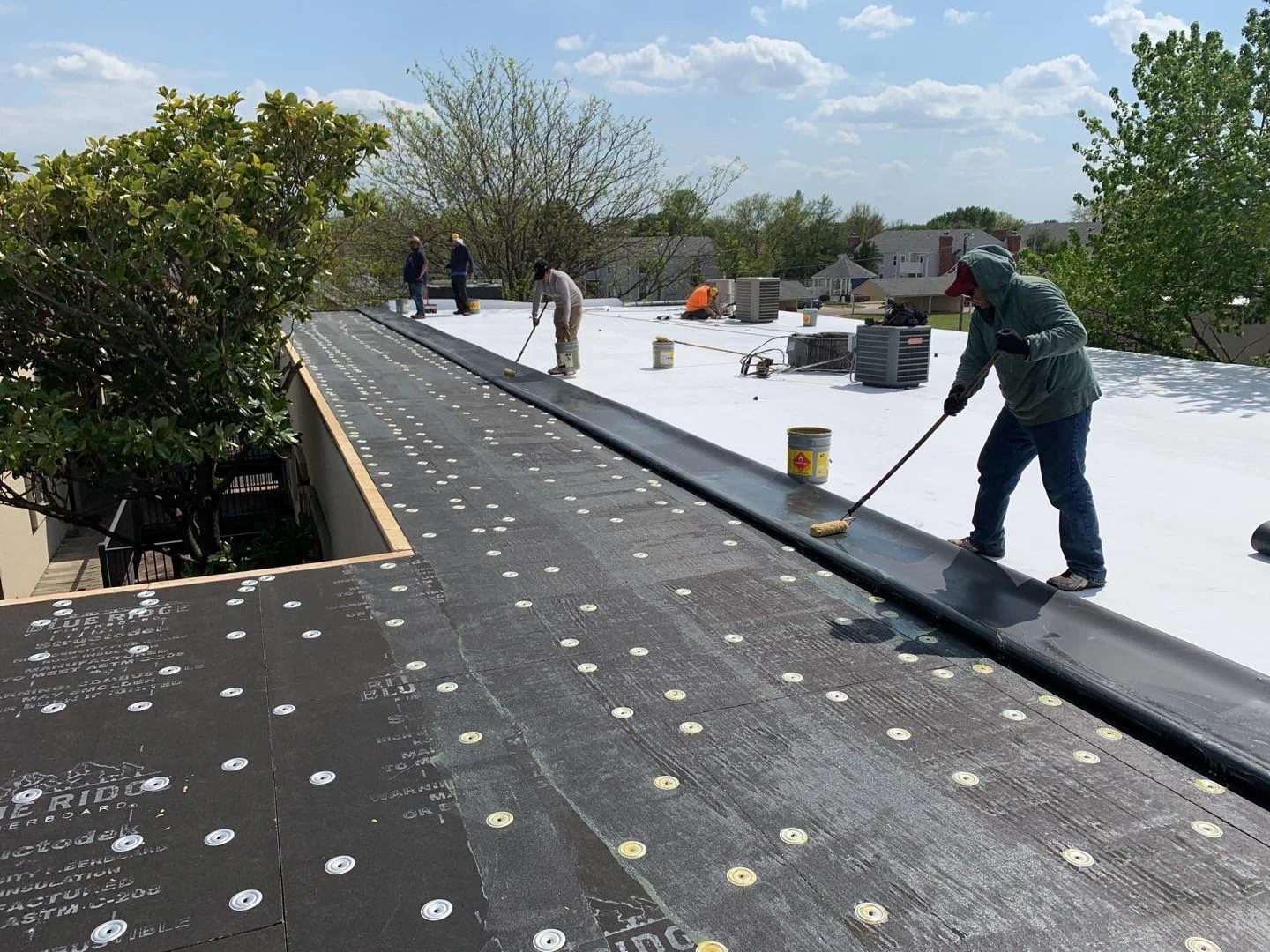
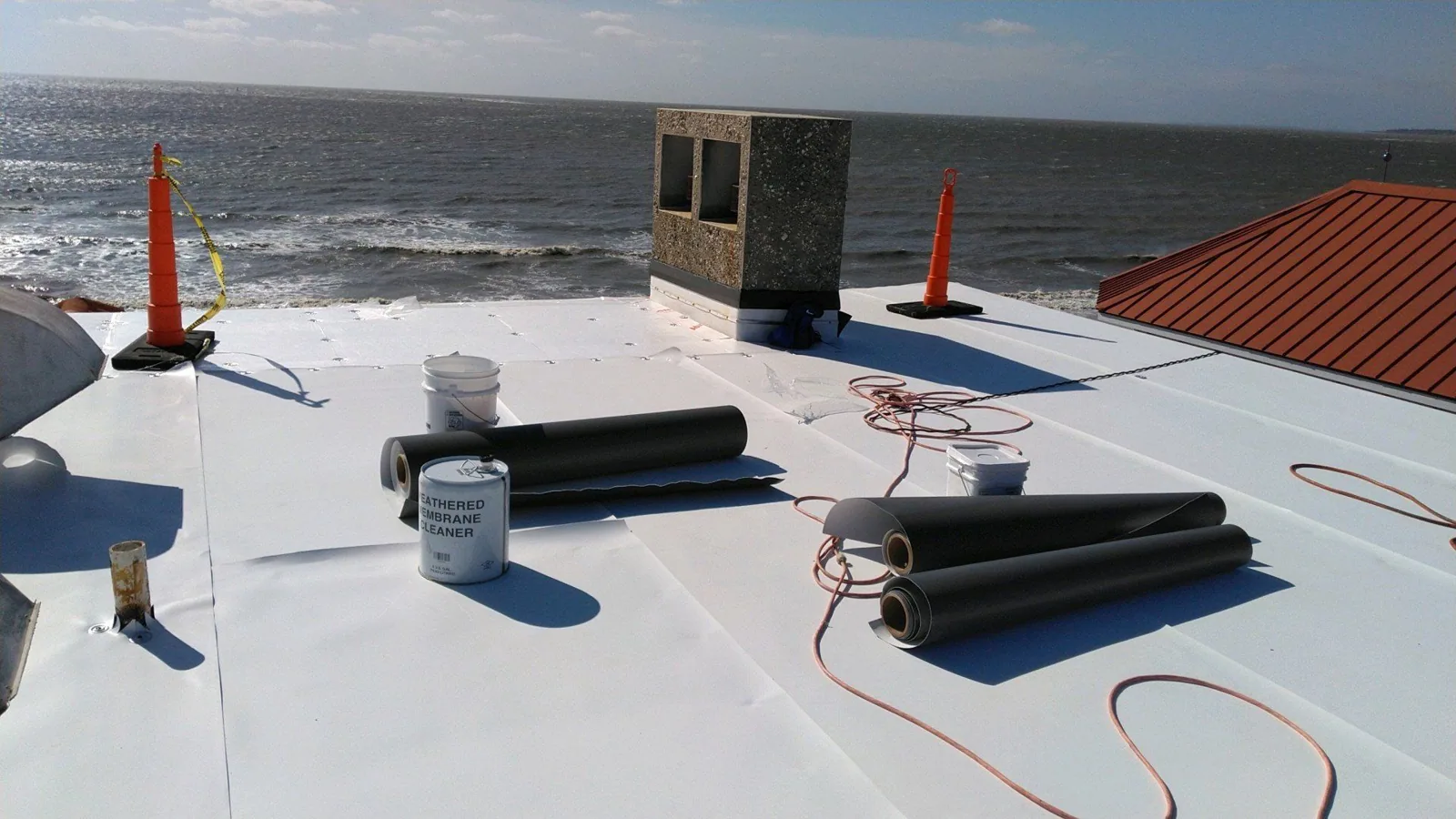
At seams and penetrations, we check bond or weld continuity, corner transitions, fasteners, and edge details. We look for loose material, contamination, movement, and water entry that can be seen without disturbing sound membrane. If the assembly cannot be identified confidently, a small test area can be scoped before broader work. The owner sees the test cost and what result will change. A rubber membrane assembly and a TPO roof system use different repair materials and details; compatibility must match the installed roof.
Protect the Building, Then Trace Water
During an active leak, we set temporary protection and locate the interior report before opening a larger scope. Water can follow a deck or insulation joint, so the visible ceiling mark may not line up with the roof entry. We inspect roof drains, wall transitions, curbs, and nearby seams, then connect each observation to a roof section. The report separates temporary measures from permanent repair and notes any areas that need a controlled opening.
DFW climate normals for 1991 to 2020 list 37 inches of annual precipitation and a May mean of 4.78 inches. We use that background to ask when drainage was last observed, while confirming any water retention at the actual roof. We check drainage after the reported event and ask how long water remained, when the owner observed it, and whether the condition repeats. A leak-repair assessment can prioritize the active entry point, while a drain review addresses the discharge path separately.
Price Repairs by Roof Section
A repair may be localized when the membrane around the defect is stable and the assembly is known. We prepare the surface, complete the compatible patch or flashing correction, and inspect the finished transition. If several details have failed across different sections, we itemize them rather than roll an unknown repair list into one allowance. That gives ownership a clear boundary for the first authorization and a record of work that remains optional.
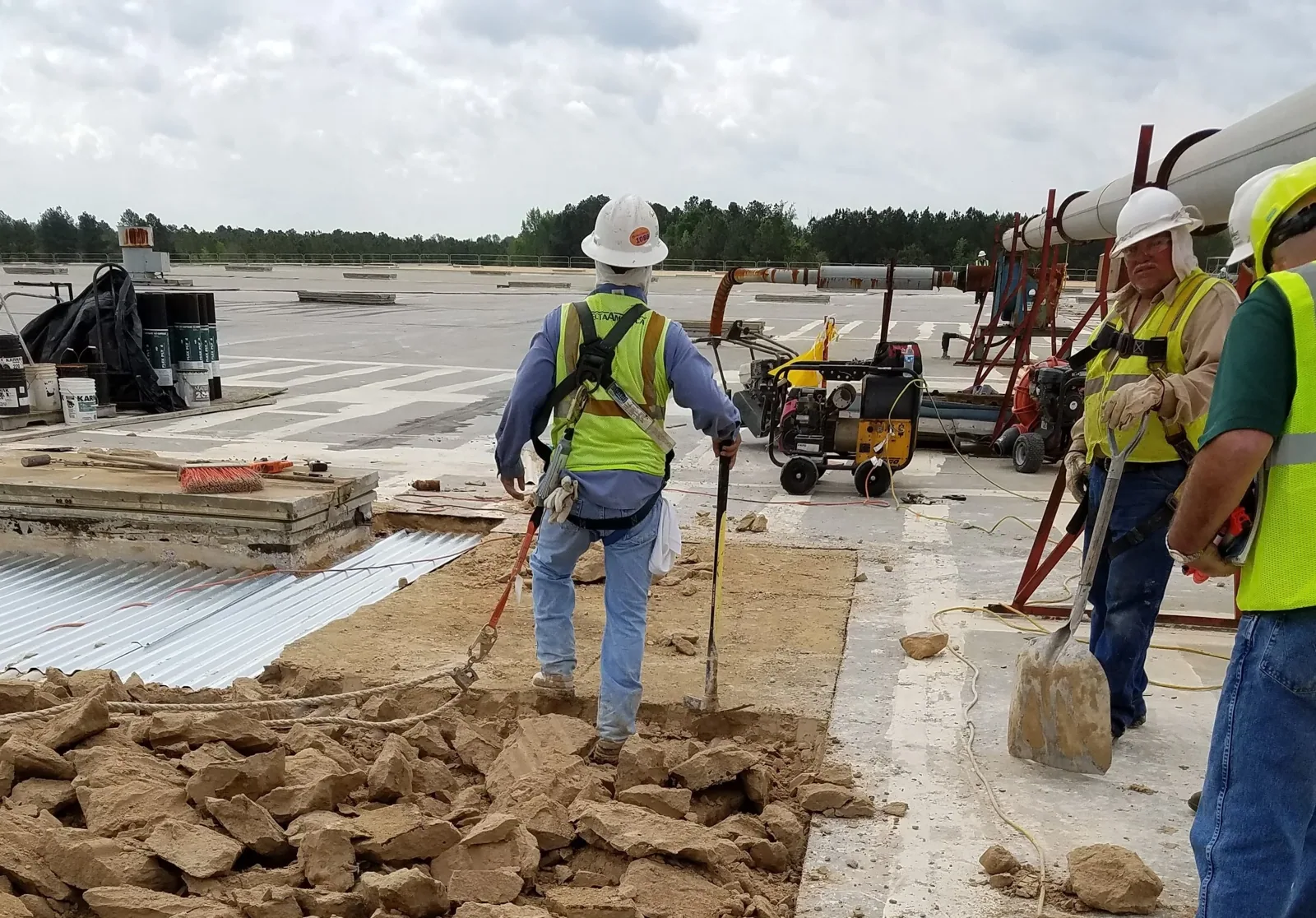
Access, staging, surface preparation, occupied hours, and weather can move labor and timing. A building with restricted loading may require a different mobilization plan from an open business park roof. We show those drivers along with the repair quantity and any testing. If repeated failures or widespread moisture appear, a replacement comparison may be more useful than another isolated patch. Our repair scope can be compared with a replacement allowance using the same condition map, so the owner can see which areas drive the capital decision.
Coordinate the Frisco Work Window
An office property and a light-manufacturing building may share a business park, but each roof has its own loading setup and management rules. Frisco's planning framework identifies office and modern industry as land-use categories, not as a description of a specific roof or site. We confirm the delivery approach, lift location, roof entrance, tenant notices, and material staging with the property manager. The Dallas Parkway and US 380 form part of the city's mobility network, while the manager confirms the gate and truck route permitted for this job. We coordinate deliveries around occupied areas and keep pedestrian paths clear.
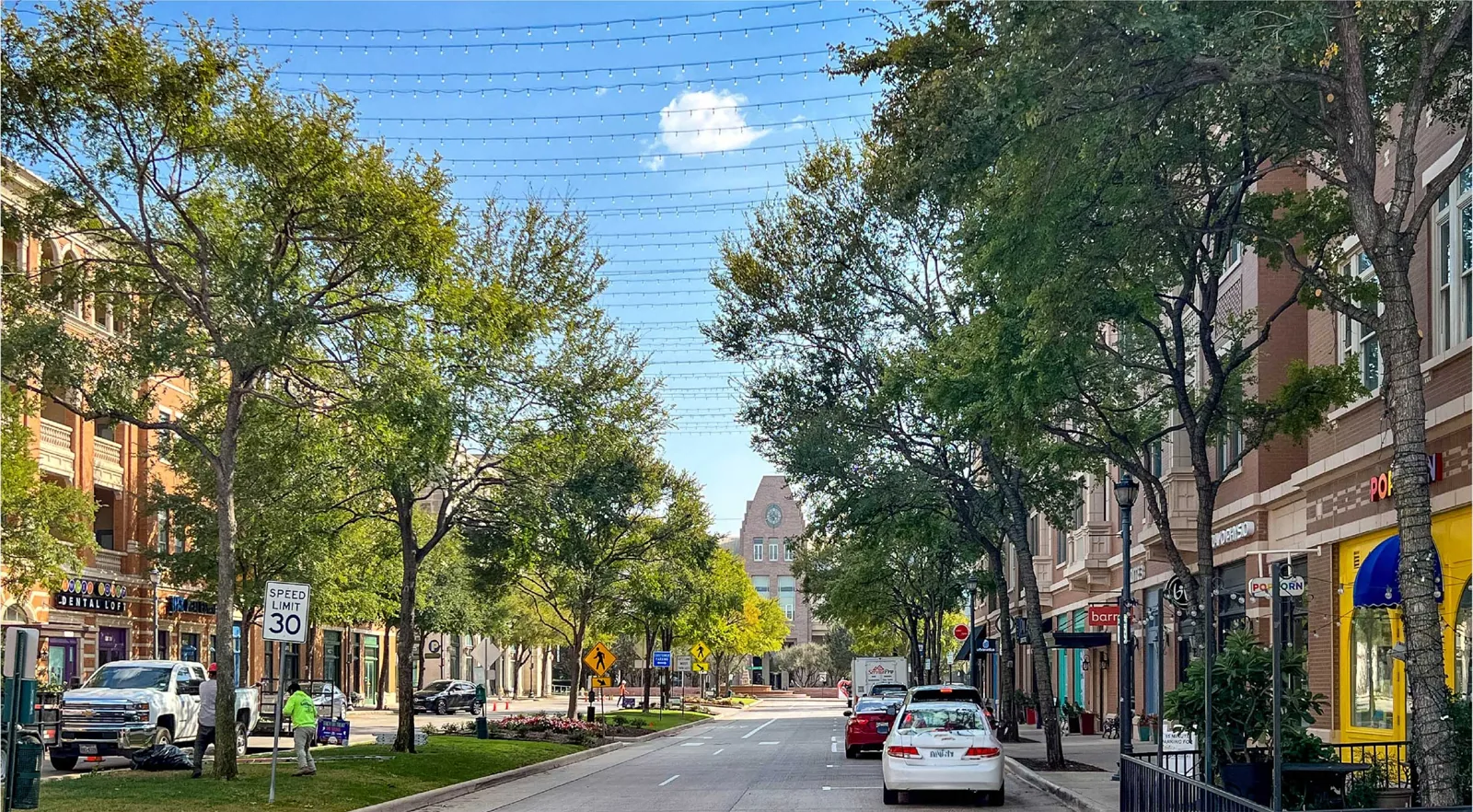
Frisco's Rail District has historic commercial buildings and continued reinvestment. North Platinum is planned around larger corporate and mixed-use projects, which can lead to different access questions at a particular job. The access window can differ between those broad districts, especially where loading, occupied hours, or pedestrian paths constrain staging. July and August daily highs above 95 degrees in DFW climate normals make summer roof time a scheduling consideration. We confirm field conditions and adjust the shift before crews handle membrane. A Rail District roof and a North Platinum property receive plans based on actual access, not a district-wide assumption.
Tie the Condition Map to Capital Timing
Owner records can include repair history, material submittals, maintenance notes, and warranty documents. We compare them with field observations and keep unconfirmed conditions visible. A manufacturer name does not establish current coverage or a required approval. The report should show the active repair, remaining test question, and replacement indicators by section. That makes a future budget discussion more specific than a single roof-wide condition label.
We organize photographs and recommendations in a roof condition report that ownership can use to set a budget date. If spring hail or wind is part of the concern, we inspect observable edges, seams, and penetrations rather than assume impact. For a broader membrane comparison, the owner can review GAF commercial systems and Duro-Last membrane options alongside the verified roof assembly. The scope states what can proceed now, what needs approval, and what information should be collected before the next spend.
Commercial Roofing Questions
Is a roof marked Firestone automatically a Holcim Elevate assembly?
An old label or invoice is useful evidence, but it does not identify every layer or later repair. We compare the paperwork with field labels, seams, flashing, insulation, and visible modifications. If the records conflict, we state that before selecting a repair method. A focused test may be the next step when material identity changes the scope.
Can a localized branded membrane defect be patched?
A patch can fit when surrounding material is sound, dry, and compatible with the repair method. We inspect the adjacent seam, flashing, and substrate, then define the patch boundary and post-work check. If moisture extends beyond the visible area, the report identifies a test or broader repair option separately. The owner can approve a known scope without accepting an undefined allowance.
How does the DFW spring storm season affect inspection?
Spring is the region's peak severe-weather period, so a new report may justify checking edges, penetrations, drains, and membrane surfaces. A storm in the Metroplex does not prove this building was hit. We document conditions we can observe and connect them to a roof section. That record supports repair and insurance documentation without turning a weather report into a damage conclusion.
What information helps set a repair date in Frisco?
We need roof access instructions, delivery limits, occupied hours, staging space, and the building's current leak status. Weather and heat can affect material handling and the length of a safe roof shift. The actual property route and access window matter more than the general district. With those details, we can sequence protection, inspection, and permanent work without blocking normal operations.
When should a roof owner compare replacement?
Repeated seam or flashing failures, wet areas across several sections, and a growing repair list can justify comparing replacement. We record what is confirmed and what needs testing, then price each path separately. The owner can weigh near-term protection, disruption, and capital timing against the repair line. If a contained repair remains supported, the condition map makes that boundary clear.