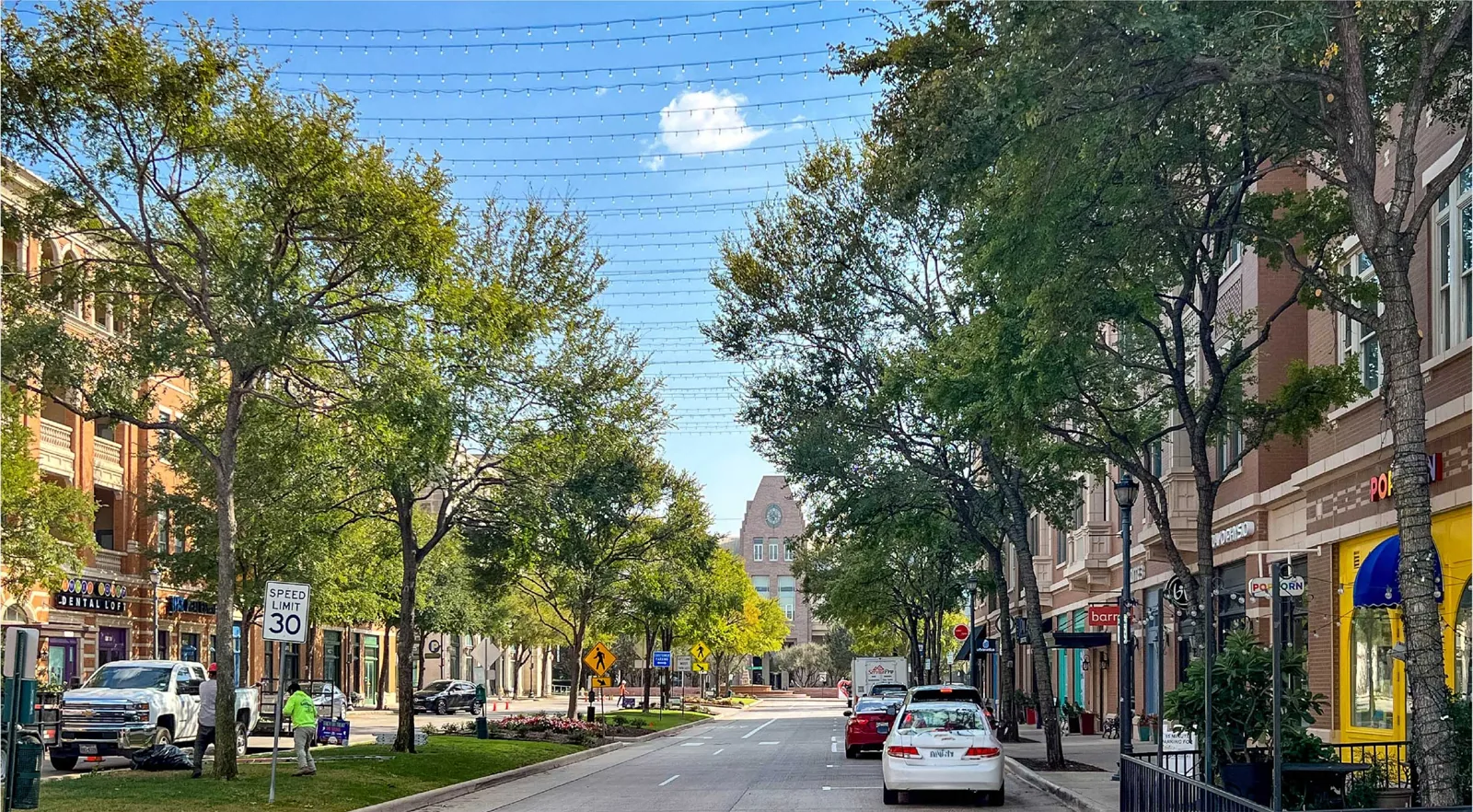
A loose Sika Sarnafil flashing corner or open field seam can send water below a membrane before the owner sees an interior stain. We inspect the PVC surface, seam, perimeter, penetrations, and drainage, then map the affected roof section. Frisco’s downtown program addresses reinvestment in historic commercial blocks within the Rail District; North Platinum is planned for larger corporate and mixed-use projects. These area descriptions help frame mobilization questions, but they do not identify the roof, entrance, or tenant schedule at a particular job. Access and occupied hours can change between them. Seasonal heat and storm timing affect crew access and material handling; the roof survey determines the repair method. The initial response limits interior exposure, photographs the transition, and defines the next inspection step. A roof inspection ties the field observation to a decision before a wider scope is approved.
Read the PVC and the Transition
Sika Sarnafil roofing is associated with PVC membrane systems, but the exact field assembly must be checked before a repair method is selected. We review available submittals and prior repairs, then inspect the membrane surface, seam, flashing, and cover board visible at the detail. A roof may include different sections or later work. We record the material transition and keep unknown layers out of the repair assumption. That protects the owner from approving a patch that bonds to one surface while leaving the actual opening untouched.
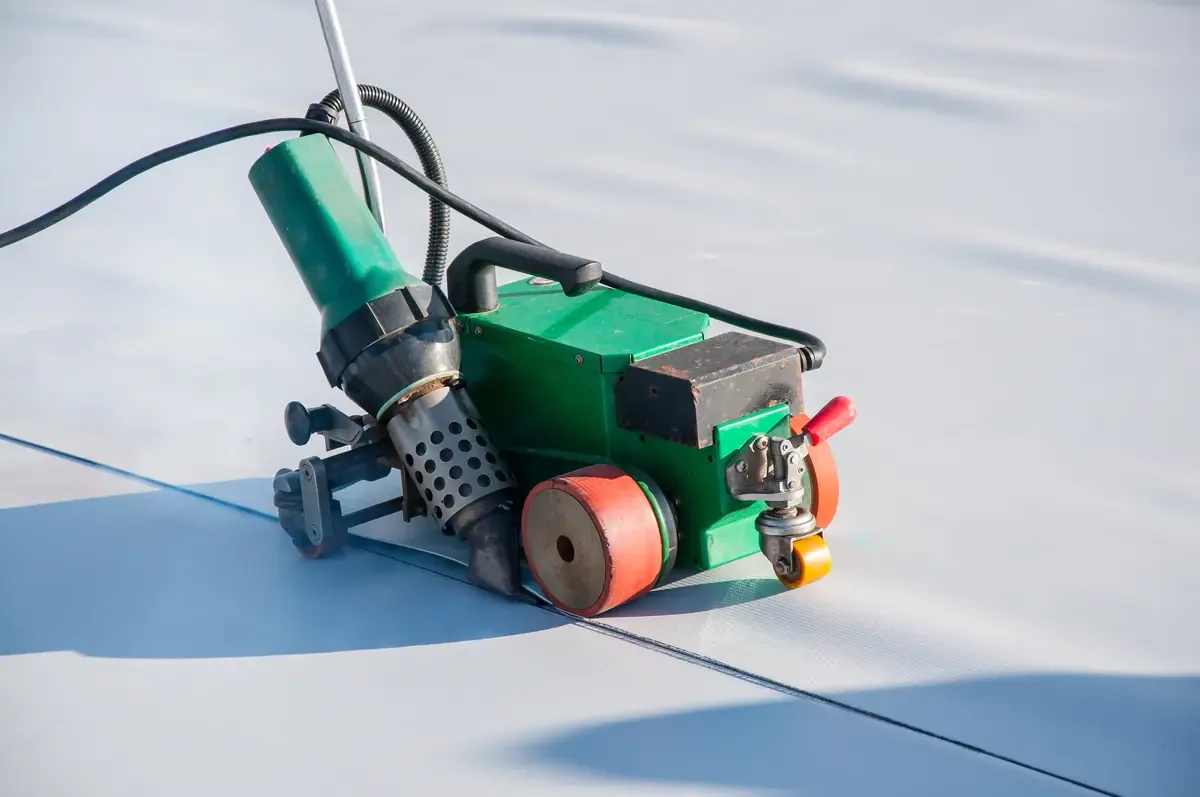
At a seam, we look for a consistent weld, contamination, wrinkles that affect the bond, and movement at corners. At penetrations, we check whether flashing remains continuous where the membrane meets a curb or pipe. A test weld can confirm a repair approach on the installed material before a larger area is touched. If wet insulation is possible, we map the suspected area and compare testing with a controlled opening. A PVC roof system needs compatible patch material, and KEE membrane details should be assessed against the assembly that is actually present.
Follow Water to Its Entry Point
An interior leak report starts the investigation but does not locate the roof opening by itself. We ask when it appeared, whether it followed wind or rain, and which room or equipment area needs protection. On the roof, we inspect seams, curb corners, wall transitions, drains, and the perimeter that could carry water. Photos label both the interior report and the roof section. Temporary protection remains separate from permanent work so the owner can see what still needs authorization.
May contributes an average 4.78 inches to DFW's 37.01-inch annual precipitation normal for 1991-2020. Spring also brings the area's wettest severe-weather period. These figures guide inspection questions, not a conclusion about a specific roof. Those regional facts support a drainage and post-storm review, not a conclusion that a specific Sarnafil roof has failed. We document standing water only when observed, note the time and conditions if the owner has them, and check whether the discharge path is obstructed. The drain and scupper review can be paired with a storm condition check when the report includes a date or visible marks.
Keep the Repair Compatible
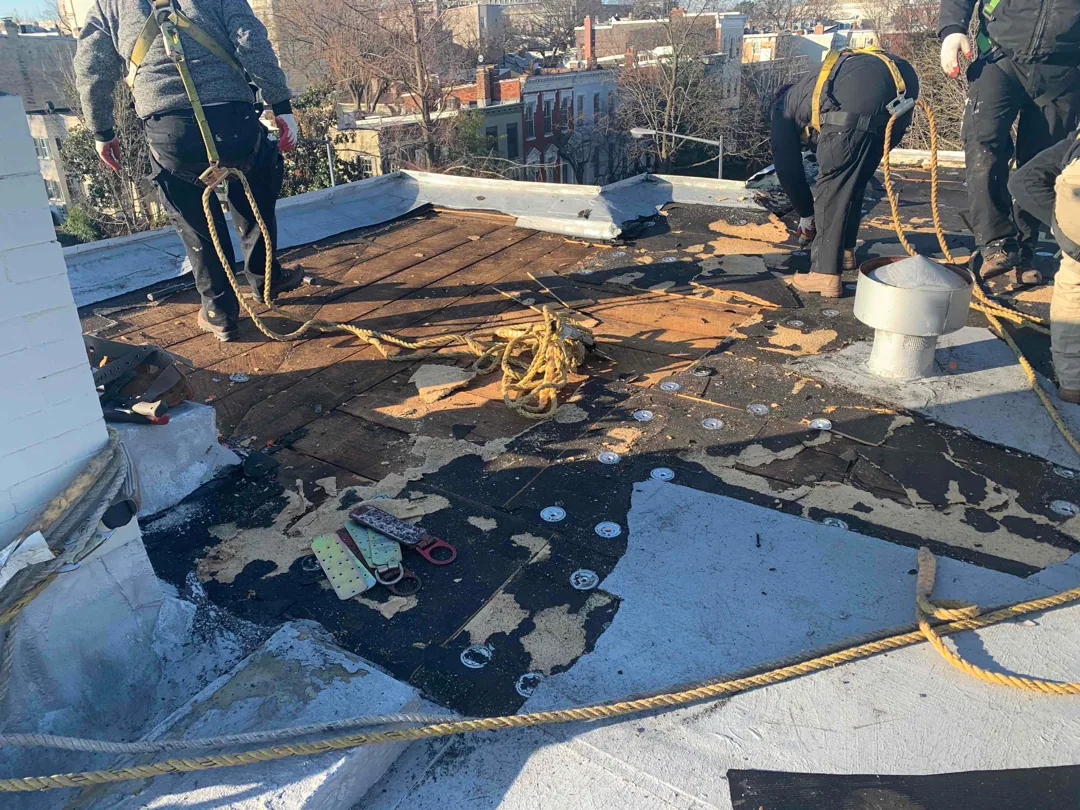
A sound repair begins with a clean, stable surface and a clear boundary. We remove loose material as needed, prepare the membrane, and complete the patch or flashing correction with compatible components. The finished seam and transition are checked before the crew leaves. We also note adjacent details that need a separate decision. That keeps one approved repair from expanding into a list of unrelated corrections without the owner's review.
Cost and timing depend on how much membrane requires preparation, roof access, occupied hours, weather, and whether testing or insulation replacement is part of the scope. A small puncture and a long failed seam have different work windows. Our repair plan separates emergency protection, permanent membrane work, and follow-up checks. If deterioration extends across several areas, compare that line with a replacement scope using the same map. The owner sees what is included, what remains uncertain, and when a capital choice is due.
Set Access Before Staging
Frisco's employment plan includes office, office-warehouse, distribution, and showroom possibilities when zoning and truck access permit. A plan does not confirm any one building's use. We check the actual loading route, roof access, lift position, delivery window, and tenant communications before setting a crew. The Dallas Parkway and US 380 mobility network gives regional context, but the route from a public road to the work area is confirmed at the property.
The Rail District's ongoing reinvestment planning and North Platinum's corporate and mixed-use projects illustrate different site contexts without defining any individual roof. Downtown staging can have less room, while a larger employment property can have controlled access or active loading. Average daily highs in the DFW climate series reach 95.6°F in July and 95.8°F in August. The membrane and product instructions set handling limits for the actual shift. We coordinate material staging and occupied hours around the owner’s access window. A Rail District site or North Platinum building receives a plan grounded in its own details.
Decide What the Roof Needs Next
Repair is often the right next spend when the membrane is stable around a discrete defect. Replacement deserves a comparison when seams keep opening, moisture appears across multiple sections, or earlier repairs do not hold. We record each condition and separate confirmed work from testing or future allowances. A photo set without location labels is hard to use later, so we connect findings to roof sections and adjacent details.
Ownership may have warranty records, submittals, and past repair notes. We compare those with the field assembly without promising a coverage decision. A condition report organizes photos and priorities for the budget meeting. Product selection can be compared with Duro-Last membrane systems and Soprema roof assemblies once the existing membrane and scope are known. The recommendation returns to the building: active water, access, repair boundary, remaining uncertainty, and decision date.
Commercial Roofing Questions
How do you confirm that a membrane is Sika Sarnafil?
We review available product records and inspect visible labels, seams, flashing, and previous repairs. A roof can have later additions or mixed details, so we identify each section before choosing a compatible repair. If a label is missing or the layers remain unclear, we explain what field check or test would settle the question. The repair scope follows the confirmed assembly.
Can a PVC seam be repaired without replacing a full roof section?
A localized weld or patch can be suitable when the surrounding membrane is stable and the preparation produces a sound bond. We inspect the nearby corners and transitions, test the proposed method where appropriate, and define the repair boundary. If several seams have similar failure or moisture extends below the surface, that evidence is priced as separate work. The owner can then compare a local repair with a broader scope.
What does a storm inspection document on a Sarnafil roof?
It records visible changes by roof section: seam condition, punctures, flashing, edge metal, drains, and related interior reports. We connect findings to the reported storm date without assuming the event caused every condition. Regional DFW hail and wind activity helps explain why the review was scheduled, while the property record establishes what was actually observed. Confirmed repairs and unresolved questions remain separate.
Does summer heat change the work method?
Temperature can affect the safe work window, material handling, and crew exposure. We check actual roof conditions and product requirements before setting a shift, then coordinate staging with occupied hours. DFW's climate normals are regional averages, not the temperature on a specific roof. If conditions move outside the planned window, we protect the work area and reset the permanent repair date.
What should an owner compare before approving replacement?
Compare the repair areas, moisture evidence, expected disruption, access needs, and the capital date for each option. We identify what is confirmed and what would still need testing, then present a contained repair beside a replacement scope when both are reasonable. Available product and warranty documents can inform coordination, but they do not replace field findings. The owner receives a decision boundary rather than a brand-based recommendation.