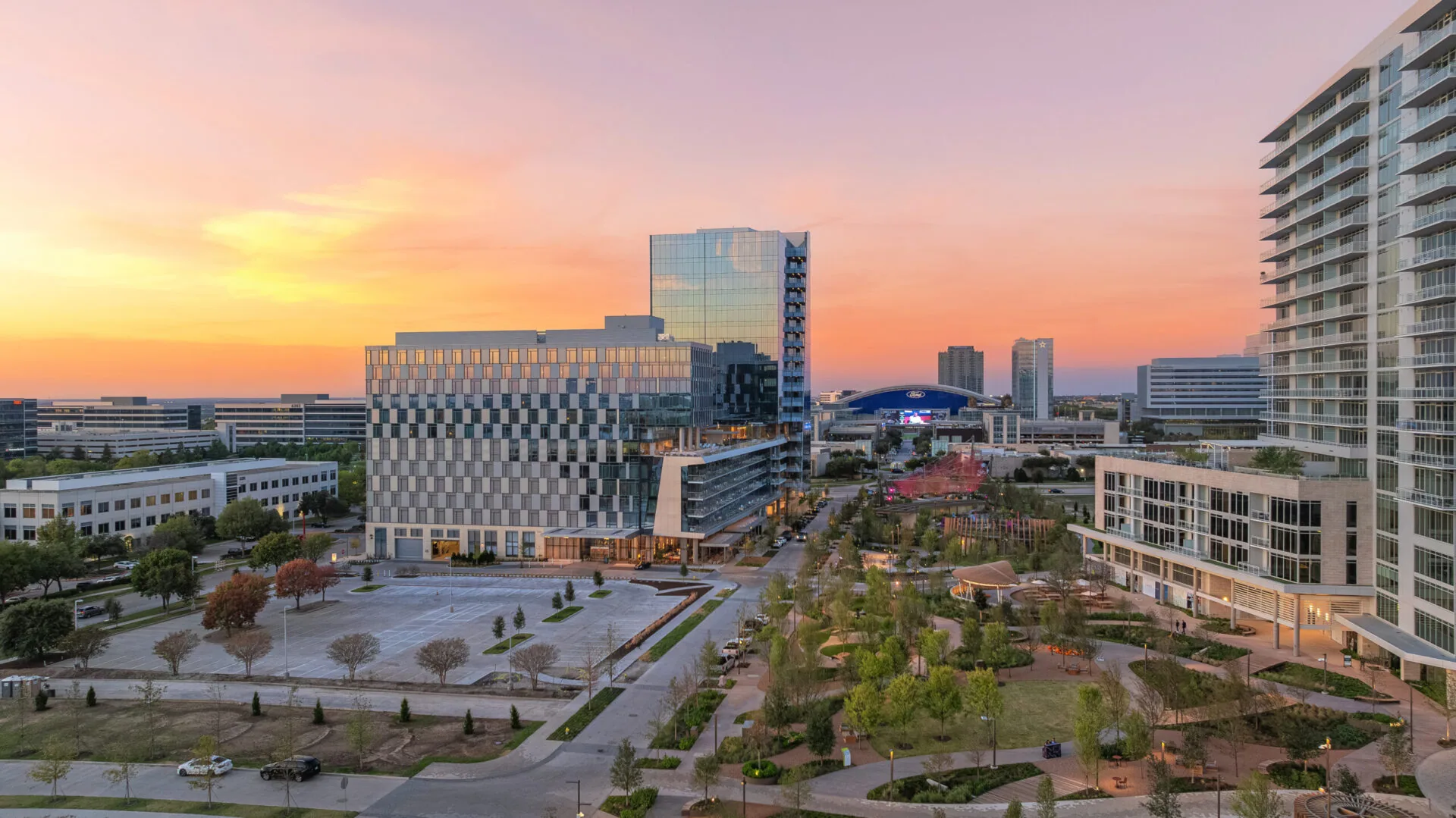
An equipment-room leak in Addison, TX needs an immediate water plan and a roof section before a replacement date is set. We protect the room, trace the likely path, and photograph the condition above it. Addison has a dense business community with more than 12 million square feet of office space plus hotel and retail uses. That citywide context makes access and occupied hours worth confirming, but it does not tell us the system on a particular roof. The inspection documents the actual membrane or metal, penetrations, drains, and transition details before we choose a repair line.
A hotel, office, and retail property can have different operating periods and delivery routes. We confirm which entrance must stay open, when roof access is permitted, and who can approve a test or added work. Around-the-clock response is available when water is active, including nights and holidays. A leak-path inspection separates temporary protection from permanent repair. For a nearby ownership group, a Dallas Parkway roof review and a North Platinum assessment receive independent records rather than assumptions based on Addison's business density.
Confirm the Operating Window
Before a crew moves material, we confirm the property contact, roof entrance, loading route, guest or tenant hours, and any equipment shutdown. A hotel may need a quiet period; an office may have a controlled roof entry; a retail site may need its customer route kept clear. Those are questions for the actual building manager, not conclusions drawn from Addison's citywide profile. We place the daily work zone and end-of-shift secure point in the plan.
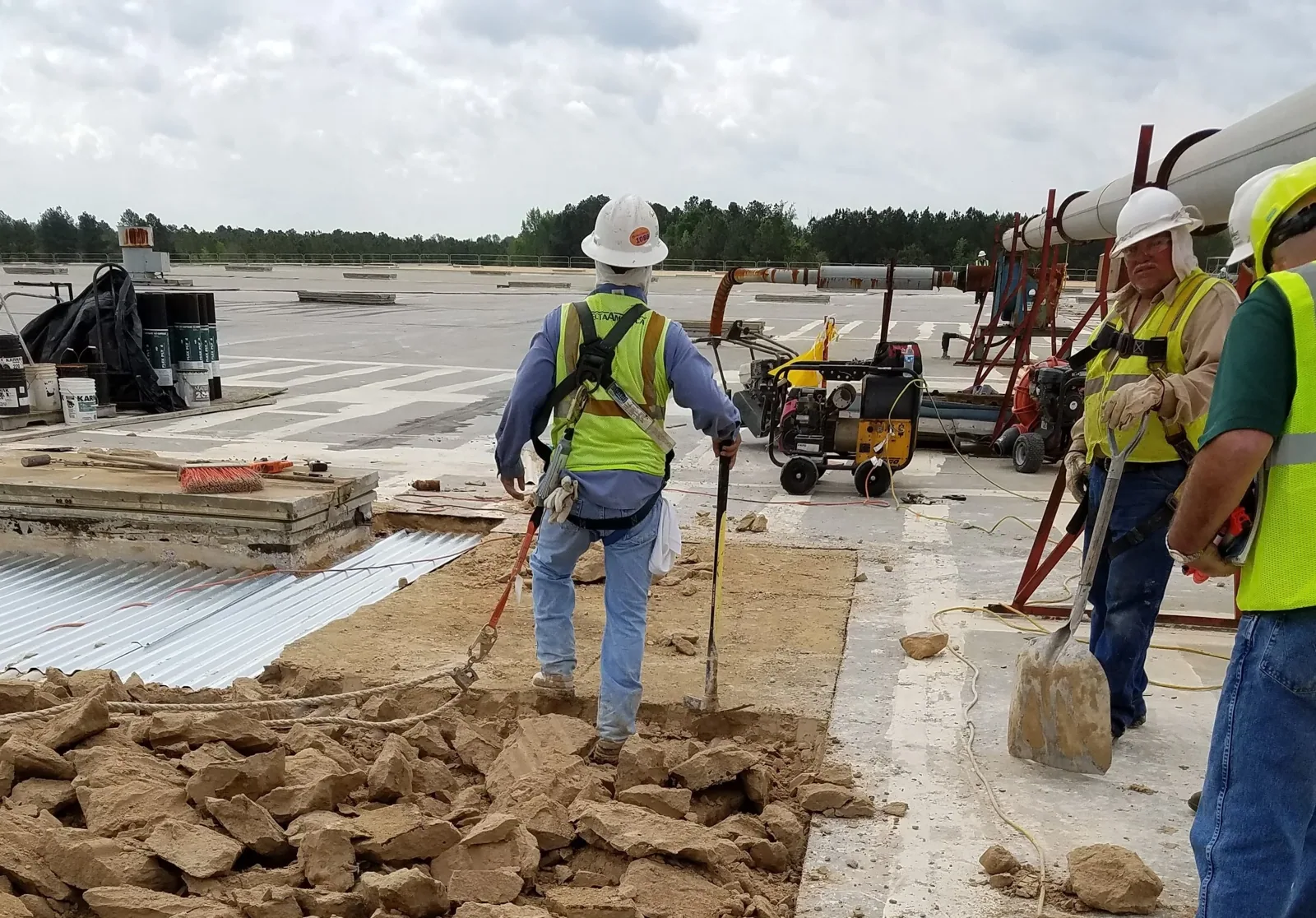
On the roof, we inspect the reported area and its nearby transitions, including wall flashings, curbs, pipe supports, skylights, drains, and edge metal. Photographs connect each observation to a roof section and the room below. A commercial inspection can show the visible condition and any location that could not be reached. If a concealed layer could change the scope, we identify a test or opening and request authorization before proceeding. That keeps a lobby, kitchen, office, or equipment area protected while the owner decides on permanent work.
Trace the Water Before Closing a Ceiling
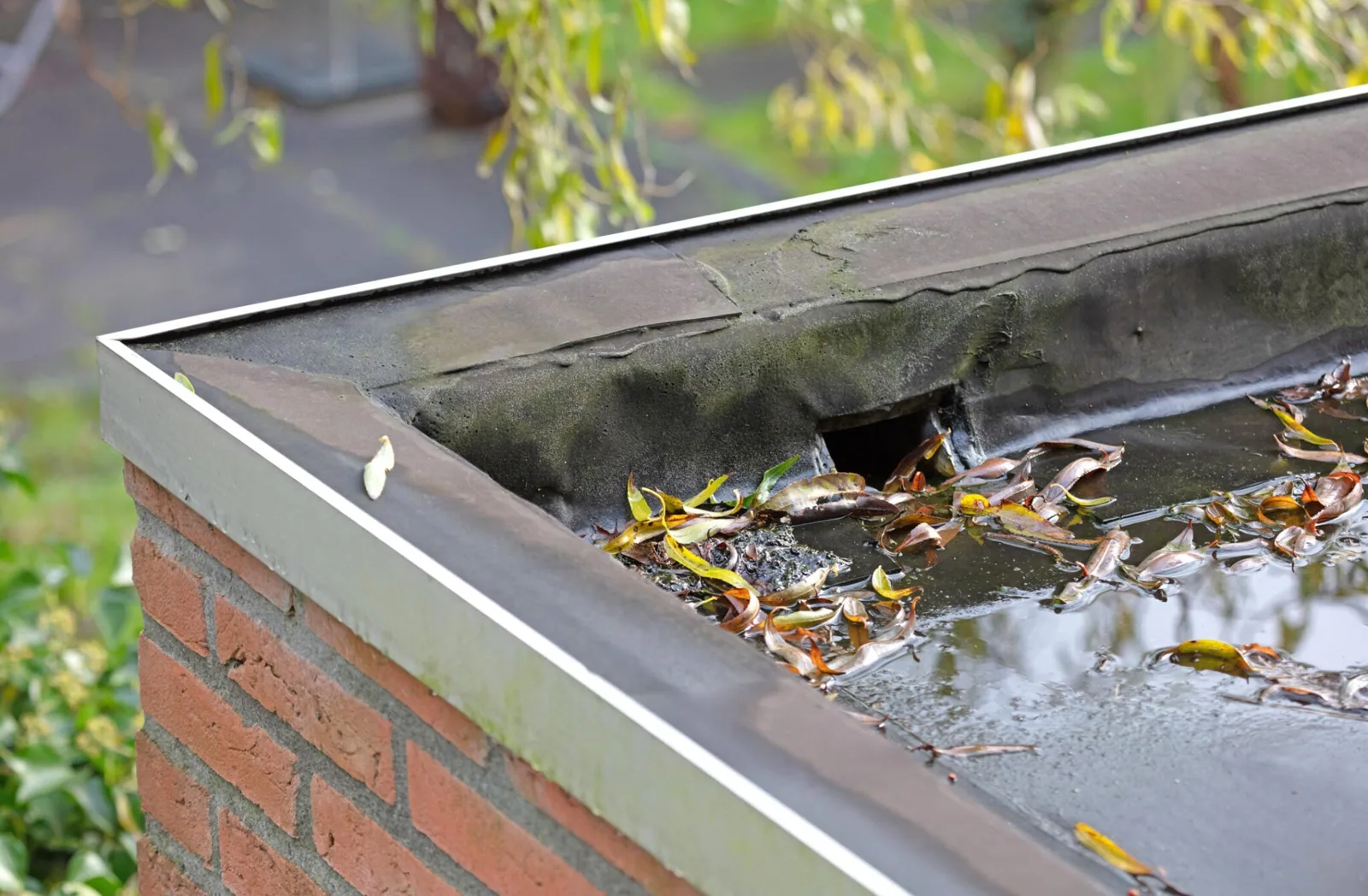
Water can move beneath a membrane or across a deck before it reaches a visible stain. We ask when the leak began, whether it changes with rainfall or equipment operation, and what roof work happened nearby. Then we follow the likely path through seams, insulation joints, curbs, penetrations, drains, and perimeter details. If a visual review cannot locate the source, the report marks that uncertainty and names the next test. The owner sees the difference between an observed defect and a possible cause.
May averages 4.78 inches within the DFW annual precipitation normal of 37.01 inches. On an Addison roof, our inspection maps the drain route, overflow, and planned dry-in edge before opening a repair area. We inspect drain bowls, overflows, scuppers, and nearby membrane before proposing separate correction work. A drainage review can define that line, while a bounded repair scope identifies the seam or flashing work. The record stays tied to the measured roof area instead of the interior stain alone.
Schedule Around Heat and Storm Activity
July and August average daily highs in the DFW climate series are 95.6°F and 95.8°F; on an Addison roof, access and material handling still follow measured conditions. Heat exposure can affect membrane movement and the safe time for installation steps, so we set a work window around the product and site conditions. The temperature record is a regional planning fact, not an assessment of an Addison roof. We look at the actual surface, attachment, and transition before describing wear or failure.
DFW's spring calendar combines its wettest conditions with the region's peak severe-thunderstorm frequency. Metroplex reports include hail and damaging gusts in most years; on an Addison roof, our scope still follows the marks, seams, and edge details we can document. After a report, we photograph visible dents, punctures, displaced metal, or seam changes and identify inaccessible areas. A hail inspection keeps observed conditions distinct from a regional storm history. A storm response scope begins with temporary protection if water is active, followed by a permanent repair or replacement decision based on the roof record.
Compare the Work That Fits the Assembly
A limited repair may fit when one seam, penetration, or flashing detail is accessible and neighboring material remains sound. We describe preparation, materials, repair area, and the stopping point. If failures repeat across the roof or moisture extends beyond one section, the owner may need a replacement comparison. We map the evidence and keep concealed quantities separate until an opening or test confirms them. An authorization identifies who can approve added work if removal reveals wet insulation or a damaged deck.
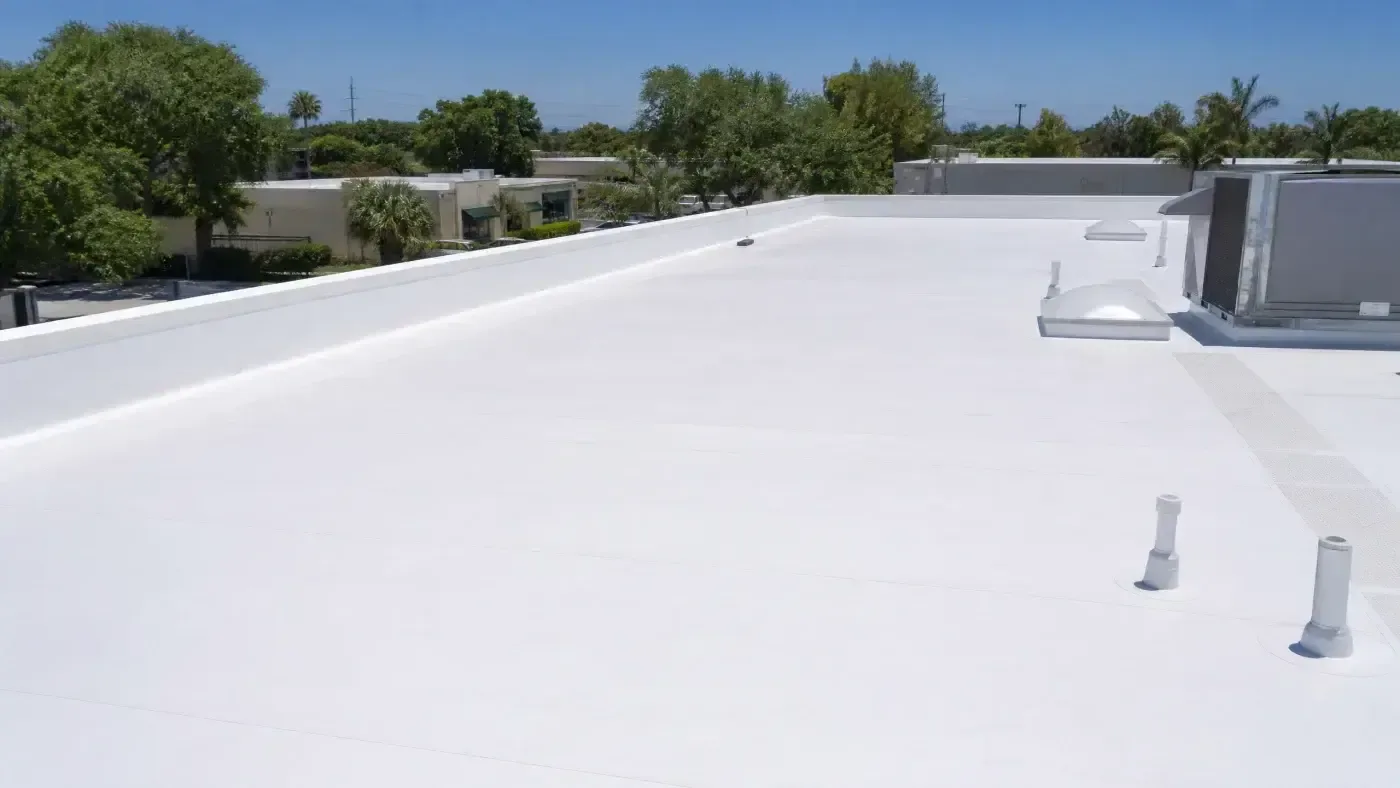
Addison's office, hotel, and retail uses describe a broad city profile, not one uniform building type or roof assembly. We verify the actual construction records before recommending a system. Cost and timing depend on height, access, layers, edge details, drains, insulation, disposal, staging, and occupied hours. A replacement proposal identifies those assumptions, while a TPO system review is relevant only if the observed roof or approved design calls for it. A condition report with photographs connects the selected option to the roof map.
Keep Approval and Closeout Together
At mobilization, the property contact confirms access, staging, hours, and the path for scope changes. We sequence work so the area opened can be installed or secured before the shift ends. If another trade controls equipment or a line, the schedule identifies the handoff before roof work begins. At closeout, we return dated photographs, materials installed, repair locations, approved changes, and any open condition that needs testing or a follow-up.
Those records make the next leak report easier to compare with completed work. The manager can see which approvals were made, what quantity was installed, and which area still needs a follow-up inspection. Frisco's North Platinum and Dallas Parkway settings have their own access and development context; an Addison property keeps its own roof map and authorization trail. We do not move a finding from one address to another. Share the affected area, leak status, roof history, and decision date. We will identify the first inspection, state whether temporary protection is needed, and return repair and replacement choices with their boundaries clearly separated.
Commercial Roofing Questions
Does Addison's office-space total tell you how large my roof is?
No. Addison has more than 12 million square feet of office space along with hotel and retail uses. It does not measure an individual building's roof or identify its system. We inspect the property and use its plans or records to establish the assembly and measured scope.
Can work be planned around hotel or retail hours?
We coordinate with the actual property contact on roof access, deliveries, guest or customer routes, noise, and any equipment shutdown. The schedule names the work area and secure point for each shift. Those requirements are confirmed for that building before mobilization.
What happens if the leak source is not visible?
We record the reported location, the accessible roof details, and the boundary of what inspection confirmed. If a test opening or other method is needed, the report identifies it and the approval needed before expanding the repair. Temporary protection can remain separate while that decision is pending.
How do you decide between repair and replacement?
We compare the extent of failure, moisture findings, attachment, and whether adjacent material remains serviceable. The proposal shows a bounded repair and a separate replacement option when the evidence supports both. Concealed conditions and added quantities require documentation and owner approval.