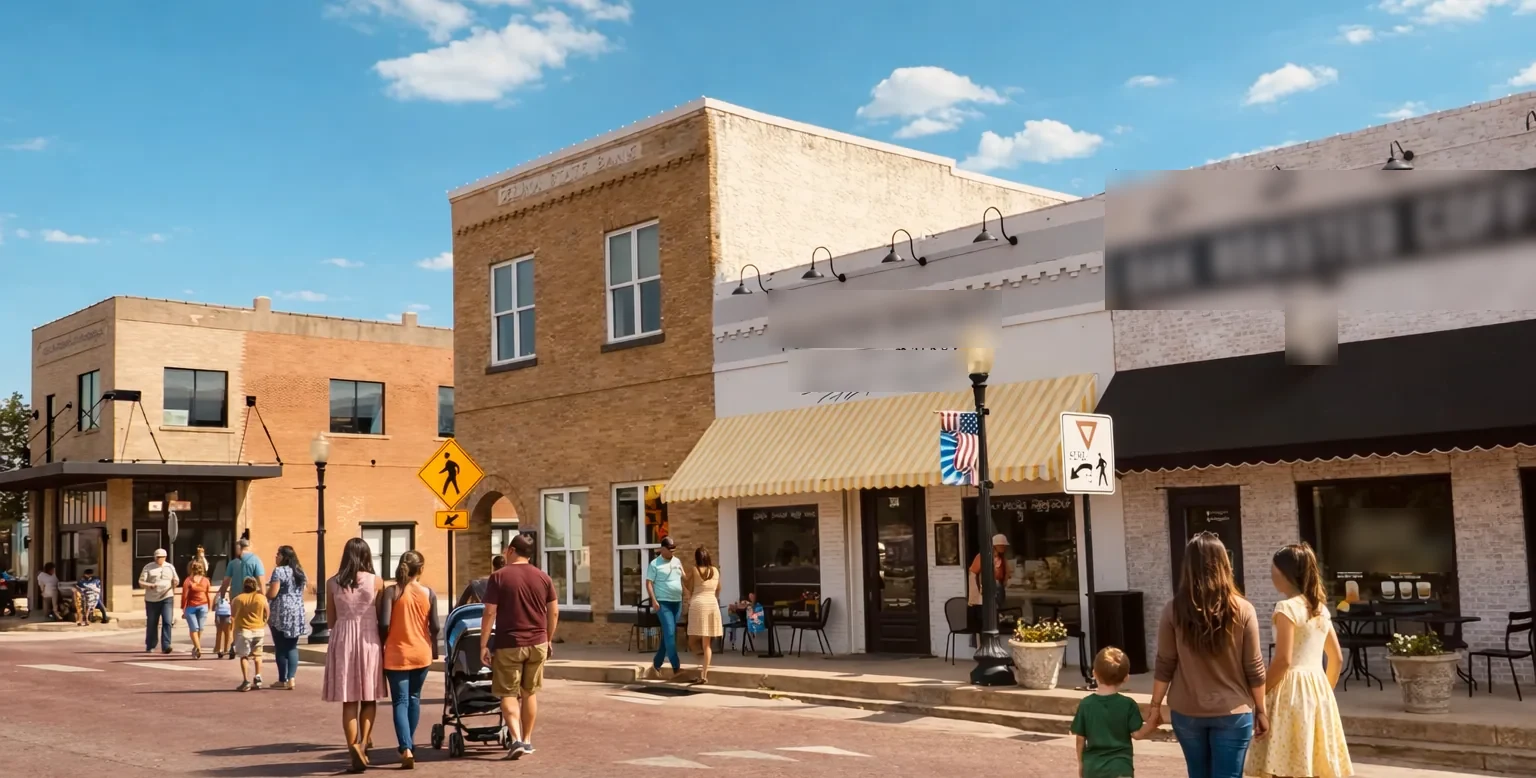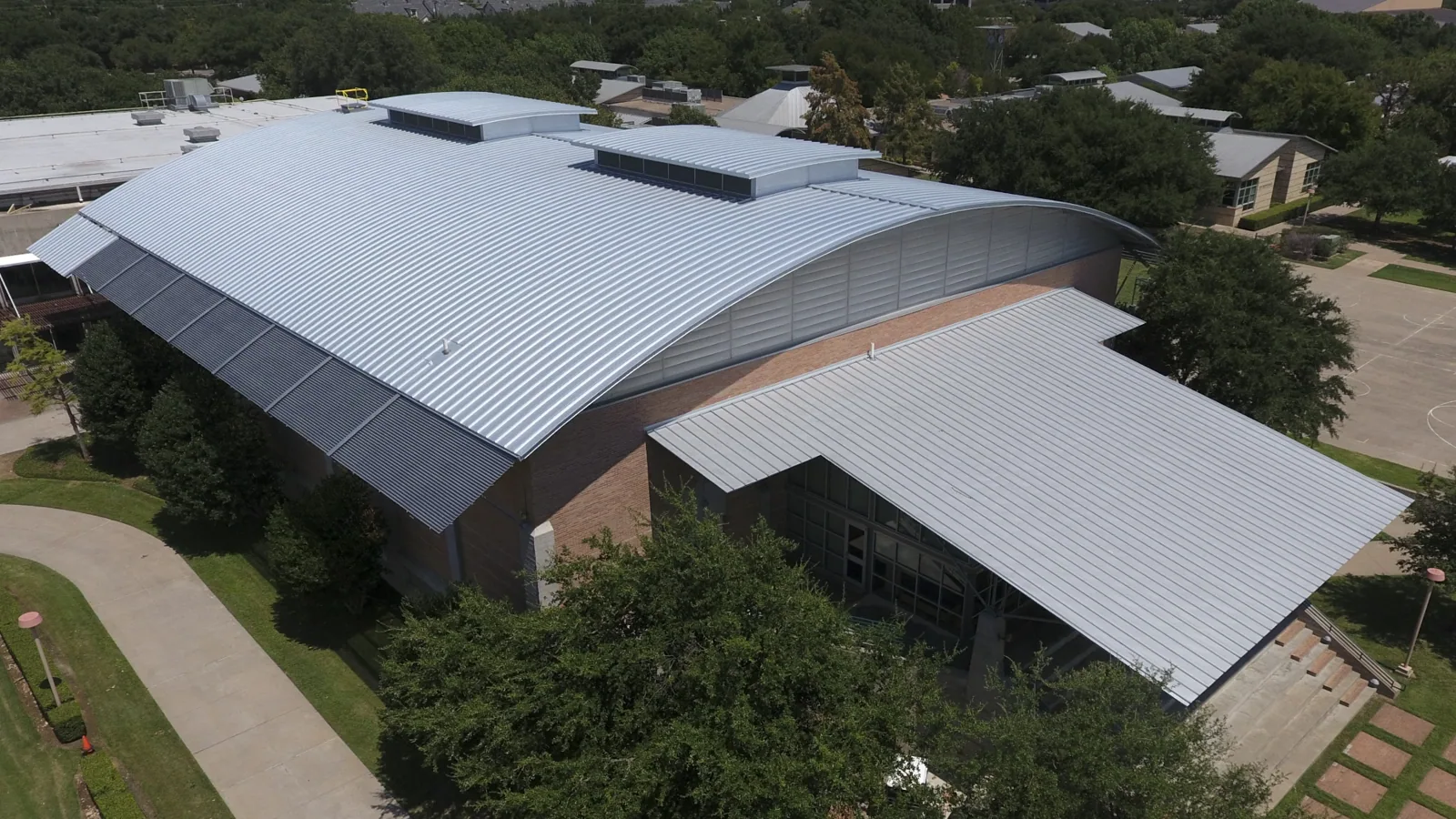
An active roof concern in Anna needs a property-specific first step. The city's plan identifies potential US 75 activity centers for shopping, health care, employment, and mixed uses. For a current roof review, tell us whether a renovation or tenant change is scheduled; we price confirmed work, not a concept.
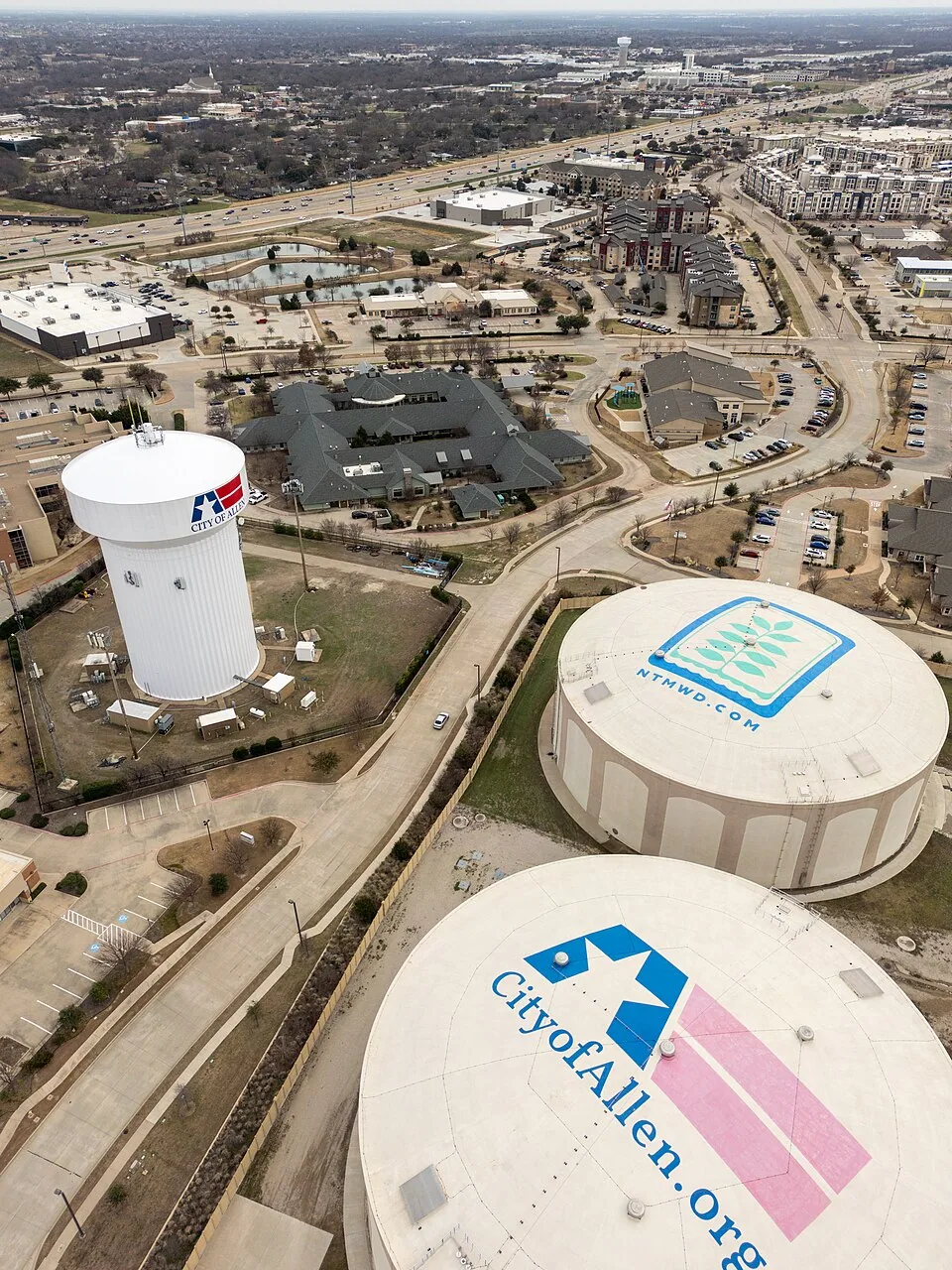
DFW normal highs reach about 96 degrees in July and August, while North Texas severe-thunderstorm frequency peaks in spring. Those market conditions can influence inspection timing and the urgency of a new leak review, yet only the roof section shows whether a repair is needed. We record what is visible and compare it with the owner's maintenance history. Owners with roofs in more than one city may also schedule an inspection for a Celina property or a roof review in Allen; we map each building on its own.
Keep the Plan Separate from the Roof
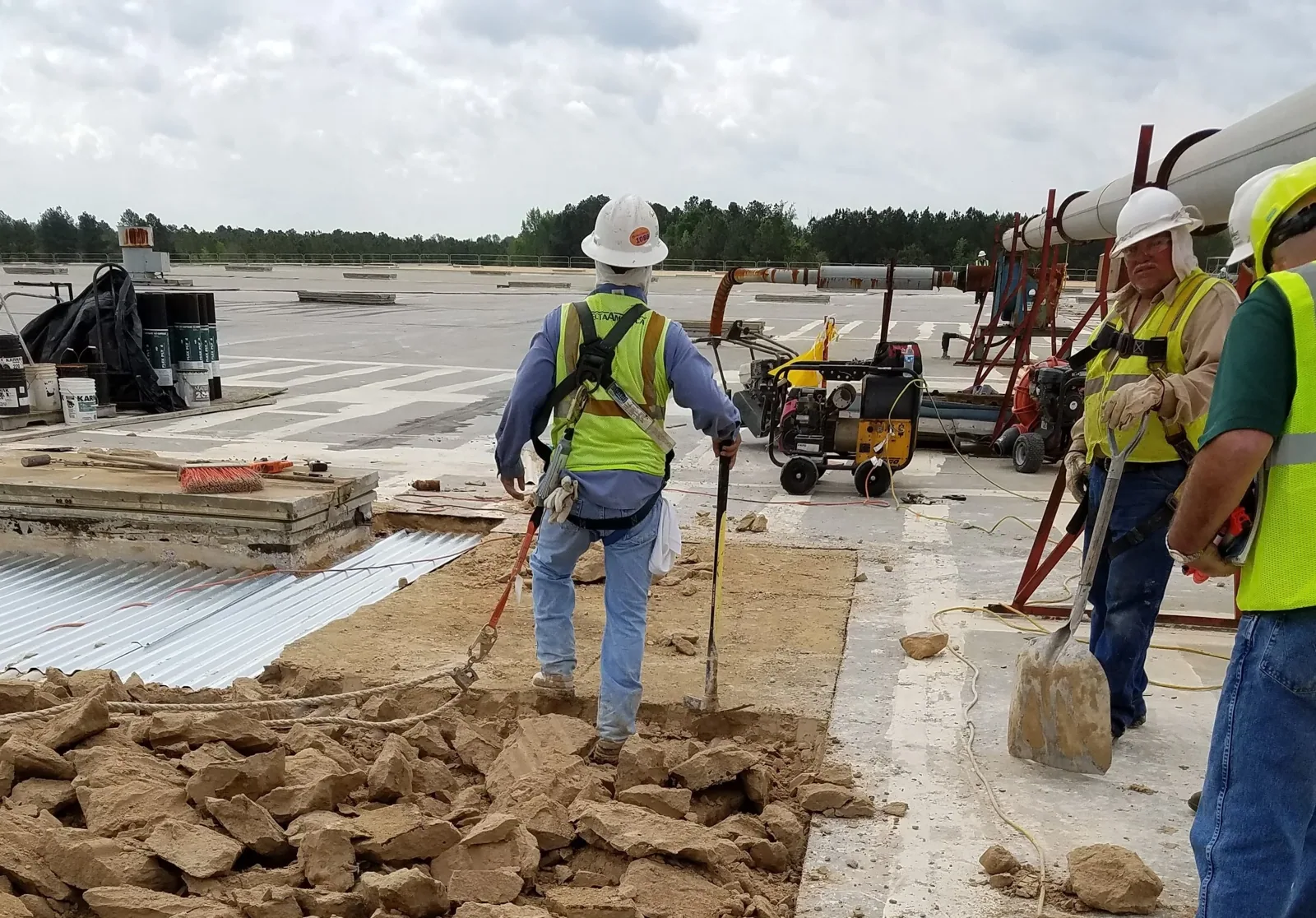
A change in occupancy can alter access and work sequencing. Before mobilizing, we confirm which areas are open, whether tenant work is scheduled, and who can approve roof access. The visit records the actual surface, drainage, penetrations, perimeter details, and earlier patches that could affect a repair.
That distinction matters when a property changes during a capital cycle. A roof inspected before a renovation may need another access plan once equipment or interior areas change. We mark the sections already reviewed and list the conditions that remain untested. For a project with a future tenant or use, the owner can keep roof work tied to the verified building phase instead of approving a larger scope from an assumed schedule. The map gives the next reviewer a clear line between inspected areas, unresolved conditions, and work that still needs approval.
Trace the Reported Water Path
A ceiling mark may sit below the point where water enters. If water is still active, note where it appears and which interior area needs protection before the visit. We compare the reported interior area with the roof above, then inspect the nearest seam, curb, wall transition, drain, and edge condition. Water can move along a deck or insulation joint, so we record the evidence that connects a roof detail to the interior report. If the entry point remains uncertain, a test opening can be priced as a separate step before repair limits are expanded.
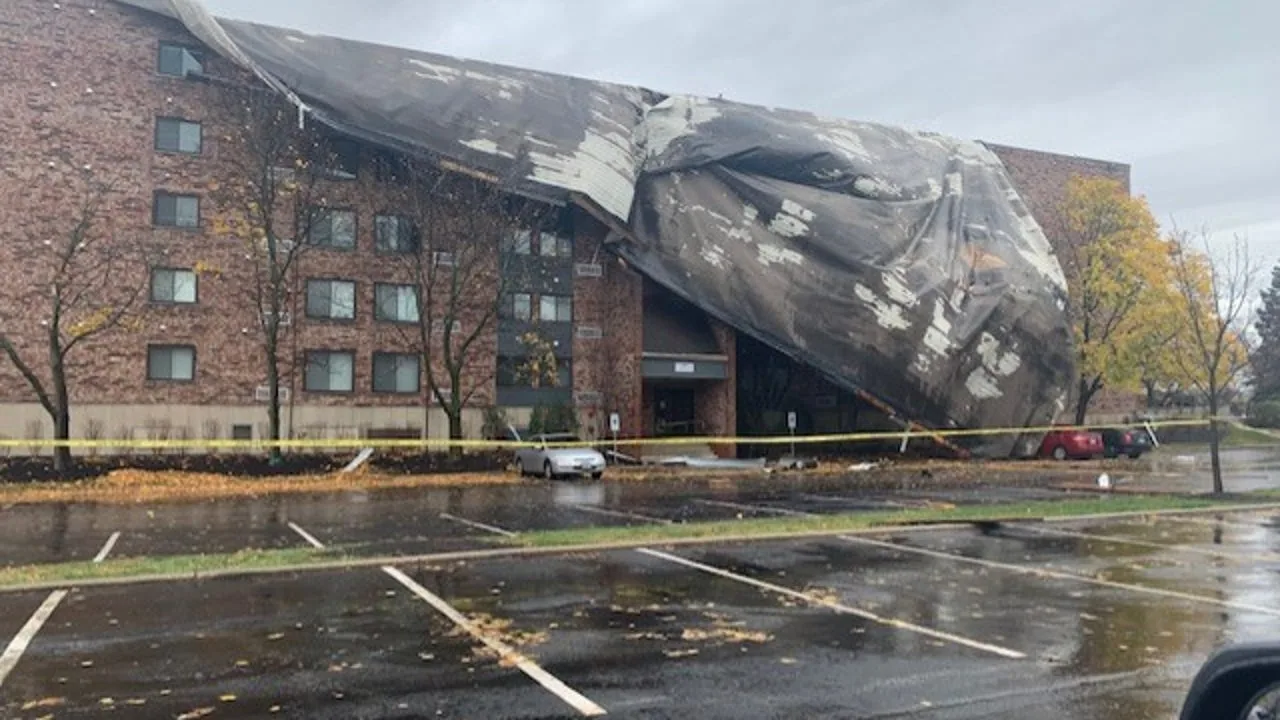
When water is active, we protect the space below and decide whether temporary cover can be secured safely. The crew records where protection was placed and what permanent detail still needs work. A commercial leak repair is not complete until the roof-side boundary is addressed. We show the owner which patch, flashing repair, or material transition is authorized and what remains outside it. That clarity prevents a short-term response from being treated as a full roof assessment.
Use Weather to Set the Work Window
Spring is the wettest and most active severe-weather season in the DFW area, while summer work must account for normal highs near 96 degrees. Neither regional pattern proves damage at a property or makes a specific workday safe. Before a visit, the contact confirms which interior areas need protection and what access window operations allow. Near US 75, we verify current occupancy, gate rules, and whether entrances or deliveries can remain open. We examine one accessible section at a time and record its boundary before work begins and when it is secured again.
A hail report is a reason to inspect, not a finding by itself. The hail damage inspection records where the owner noticed a change and compares that location with visible surface evidence. If the reported area cannot be reached during the first visit, the report identifies the gap rather than extending a conclusion to an unexamined section. This creates a useful handoff for the facilities contact deciding whether to authorize a return visit, a bounded repair, or additional testing.
Price What Can Be Confirmed
The repair price follows the measured area and the details that must be opened or resealed. Roof height, staging, safe access, insulation, existing layers, and the need to protect equipment or interior operations can change labor and timing. We identify known work and list concealed conditions that may require testing. If an opening reveals a wet deck or a different assembly than expected, the crew pauses at the approved scope boundary and returns a documented change for authorization.
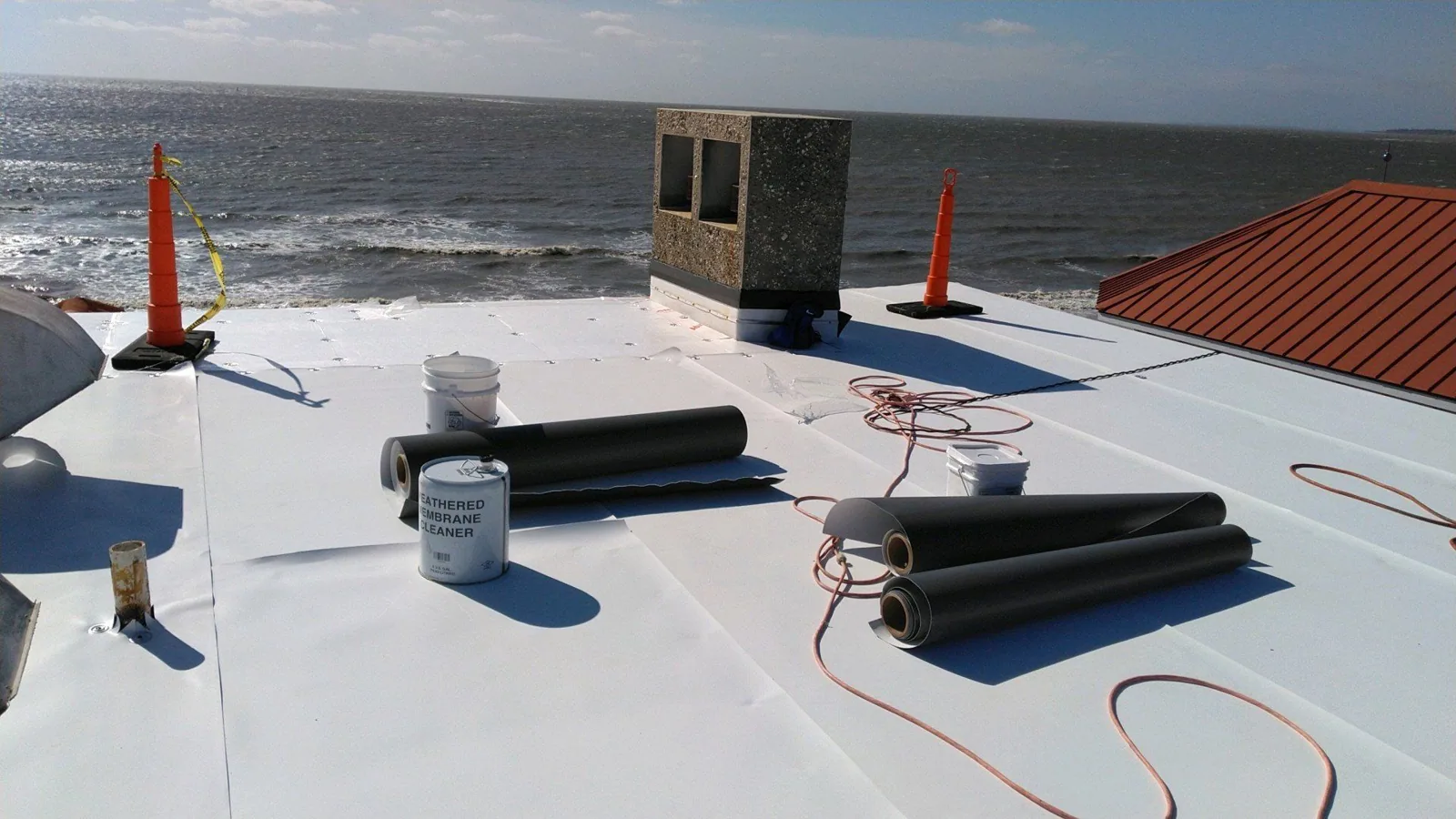
Replacement belongs in the comparison when recurring failures, broad moisture, or attachment concerns extend beyond one detail. A replacement scope names the roof sections, drainage and edge work, material assumptions, and how each area will be closed at the end of a shift. A TPO repair method applies only if that is the installed membrane. We confirm the system before selecting a compatible material, then separate the repair line from any optional work tied to testing.
Before authorizing a roof task beside renovation work, the owner should know who controls access and which change can affect the membrane. A lift, conduit run, or curb replacement may need coordination with another trade, but we only include that work when the property confirms it. We photograph the starting condition and mark the section where the proposed work meets existing material. If a later phase changes the roof, the record shows which areas were reviewed before that change and which need another inspection.
This sequence avoids pricing an anticipated project as if every detail were already designed. The roof scope can move forward on the current condition while a future package remains a separate decision.
Carry the Findings into the Next Budget
The closeout identifies the property as it stands: examined sections, completed repairs, open questions, and areas to revisit before a tenant or use change. If access or rooftop equipment later changes, the owner can use that dated record to identify which roof sections need another look. A roof condition report can preserve that baseline with dated photographs, material notes when available, and the inspection boundary.
That record supports a measured capital decision. A localized defect can remain a defined repair; broader moisture or repeated openings may justify a separate replacement comparison. The recommendation should show which finding changes the scope, what test could resolve uncertainty, and which costs follow from access, roof layers, drainage, or phasing. An owner can then compare the present building's needs against a future plan without pricing unbuilt conditions as current work.
Commercial Roofing Questions
Does the US 75 activity-center plan describe an existing commercial roof?
No. It describes a future planning role for the corridor, not current building inventory or roof systems. We inspect the property as it stands and record its assembly, condition, and access limits before recommending work.
What should be authorized when a leak is still active?
We first protect the interior and document the roof section that appears to be involved. Temporary protection and permanent repair remain separate line items when weather or uncertain conditions prevent a sound final repair during the first visit.
Can a spring storm report justify replacing the whole roof?
A regional storm record does not establish property damage. We look for a new opening, displaced flashing, or another visible change, then compare it with earlier records. Replacement enters the discussion only when roof findings support a broader scope.
How do you price work if the roof layers are concealed?
We price the visible and authorized work first, then state which test or opening could change the boundary. If removal exposes a different condition, we document it and seek approval before adding labor or material to the scope.