A roof opening above a Celina loading area needs a dry-in boundary before the next delivery window. We identify the reported leak, protect the space below, and inspect the roof section before pricing a permanent repair. Celina identifies Preston Road to the east and the future Dallas North Tollway to the west as major north-south commercial arteries, with an economic-development program supporting business growth. The future corridor is a planning reference, not a completed route or proof of a building type. We verify the actual address, roof assembly, and access limits with the owner.
The first-hour check includes the interior condition, likely water path, nearby seams, curbs, penetrations, drains, and edge details. If water is active, emergency response is available around the clock while a temporary measure is set. A leak-path inspection keeps that first action separate from permanent work. A Frisco Dallas Parkway review and a Prosper roof assessment receive independent maps, even when an owner manages properties in both cities.
Use the Corridor Plan Without Assuming a Roof
Preston Road to the east and the future Dallas North Tollway to the west are major north-south commercial arteries in Celina. Planning context can help a property team consider access and phasing, but it does not tell us what roof system sits on a specific building or how it is performing. We confirm the permitted use, service entrance, truck route, and contact who controls roof access. If delivery hours change, the work sequence can be arranged around the confirmed schedule rather than a broad corridor map.
Frisco's business-park plan likewise treats office, warehouse, distribution, and showroom forms as conceptual uses subject to zoning and truck-route access. Those forms cannot be assigned to a Celina property without records. We document the actual membrane or metal, drainage, edge details, and any prior repairs. A commercial roof inspection records accessible conditions; a photo-linked report can tie findings to a section map. Where the assembly is concealed, we explain the test or opening required before expanding the scope.
Keep Water Moving to the Intended Outlet
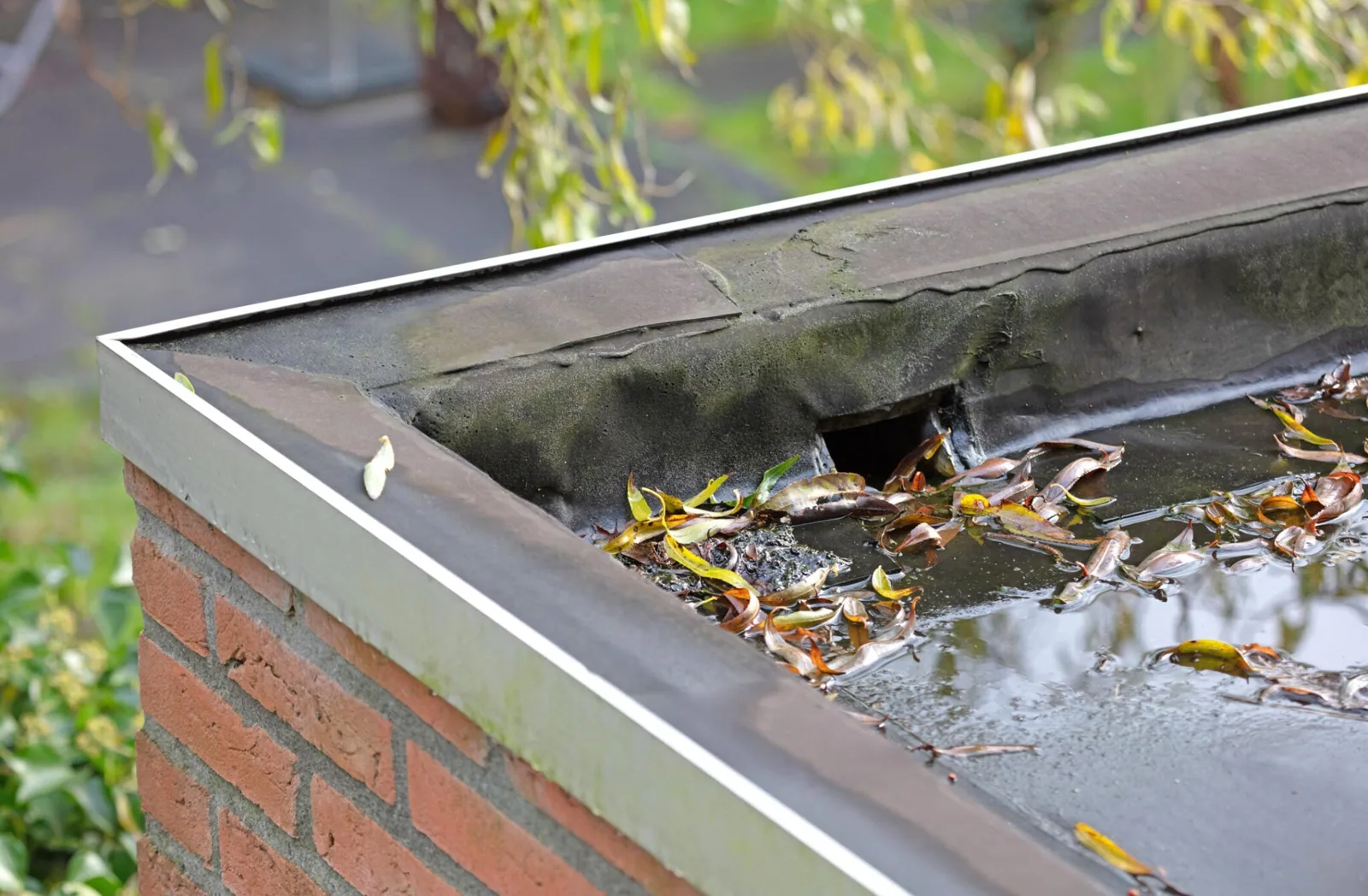
Drainage problems can keep a leak active after a seam or penetration has been repaired. We inspect drain bowls, scuppers, overflow routes, crickets, and nearby membrane transitions. A blocked bowl, loose flange, or failed flashing should be described by location and condition. If water appears far from a drain, we follow the path rather than treating the nearest interior stain as the source. The report states whether a separate trade or a test is needed.
Where roof edges meet walls or rooftop equipment, we also inspect the transition above the drainage path. Water can pass a failed curb flashing and then move toward a drain, making both details part of the same leak report. We identify each condition separately and note which correction can be completed without opening the next roof section. That lets the owner approve a measured repair rather than a broad allowance.
Across the DFW climate record, yearly precipitation averages 37.01 inches; May accounts for a 4.78-inch normal. Those regional numbers support planning a secure closeout and checking the drainage route, not a claim about rainfall at the Celina building. We confirm which roof section can be opened and secured during the scheduled window. A drain and overflow correction can remain its own line beside a membrane repair. The owner can review each quantity and approve a change if removal reveals a hidden condition.
Set Timing from the Actual Conditions
DFW climate normals total 37.01 inches of precipitation over a year, with May averaging 4.78 inches. For a Celina roof, we trace how runoff leaves the property, then inspect the drains, overflow path, and low areas on site. We inspect the visible surface and confirm a safe place for material staging before a crew begins.
Spring is the period when North Texas severe storms are most active. The crew verifies wind-lift clues, punctures, or displaced metal at the inspected roof before listing storm-related work; regional occurrence does not establish damage at any Celina property. When a storm report comes in, we photograph visible impacts and edge conditions before assigning a repair. A hail assessment can separate supported impact findings from ordinary wear, and a wind review can focus on attachment and perimeter details. The owner receives a weather record and a roof record as separate evidence.
Show the Repair Boundary and the Alternate
A focused repair remains an option when the failed detail can be reached and surrounding material can accept preparation. The proposal states the repair method, measured boundary, and the point where the crew stops. If leaks repeat, moisture extends beyond one detail, or attachment has failed more broadly, a replacement comparison may be useful. We map observed conditions and keep concealed quantities separate until the owner approves testing or removal.
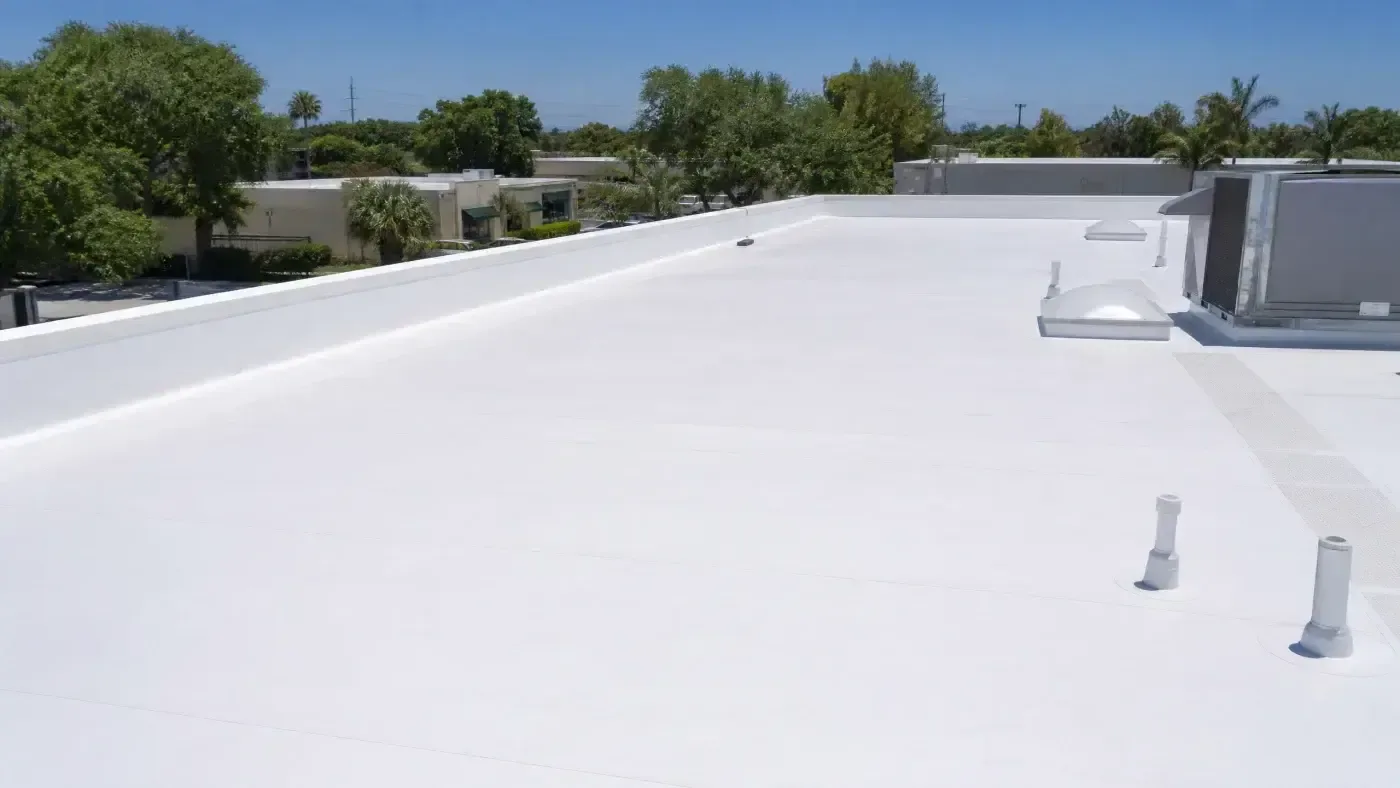
Roof height, roof layers, edge metal, insulation, drainage, staging, disposal, and occupied hours change the labor and schedule. A replacement alternative should state its assumptions and quantities separately from the repair line. A recover or coating can be considered only if the existing system and moisture condition support it. Drainage decisions follow the roof assembly and observed flow path, not assumptions based on development patterns. A TPO system evaluation applies when the installed or selected design is TPO and the surface preparation is compatible. The owner can price each route separately.
Schedule the Shift and Preserve the Record
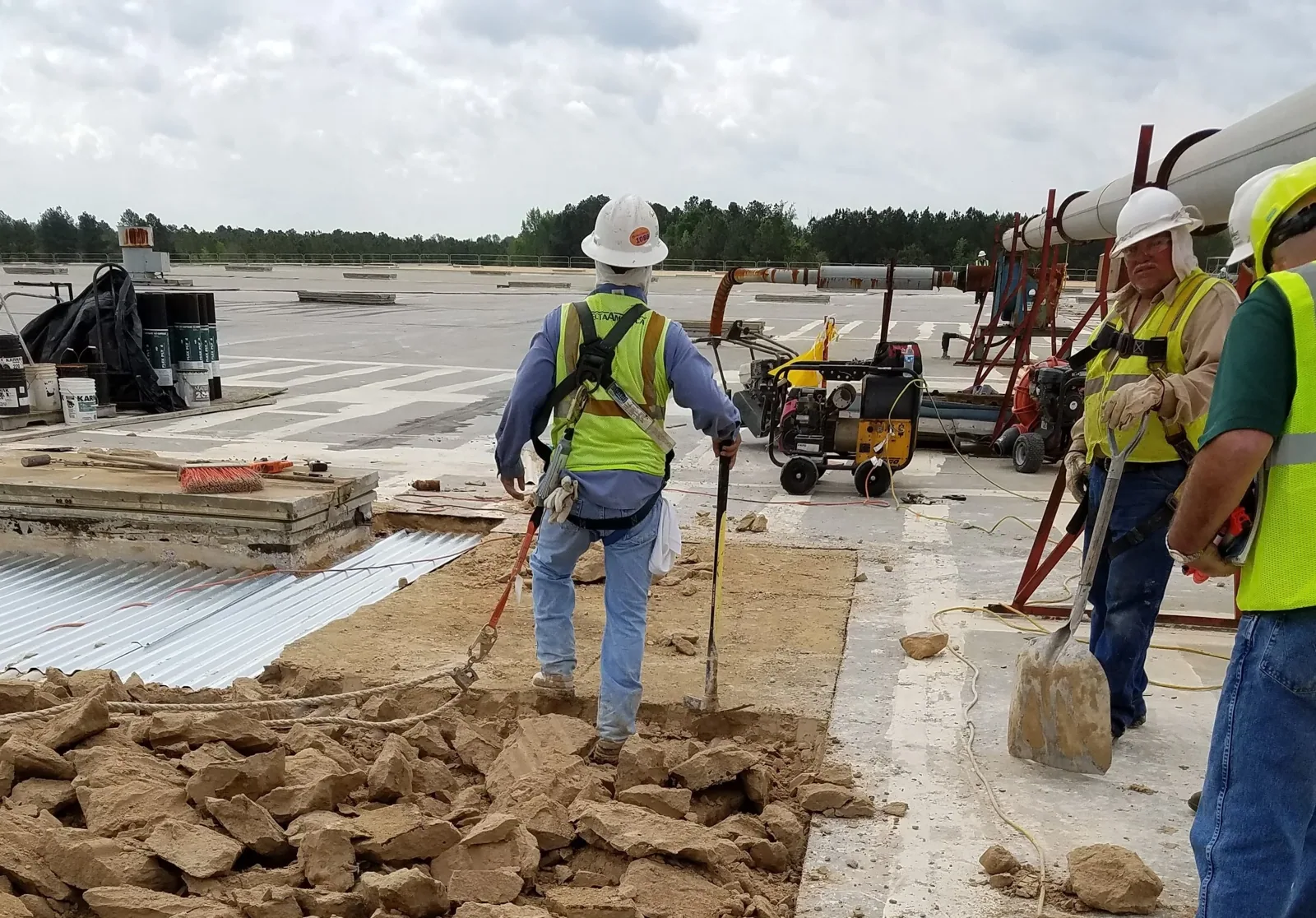
Before mobilization, we confirm the roof entrance, delivery path, staging point, occupied hours, and the person authorized to approve added work. The schedule shows the area that can be removed, prepared, installed, and secured during each shift. If another trade controls rooftop equipment or a service line, the handoff is set before the opening is made. The crew's stopping point should protect the building and keep the loading area usable.
Closeout returns dated photographs, completed repair locations, installed materials, approved changes, and open items. A manager can compare a future leak with the roof section already repaired. For a Celina property, verify the entrance, roof assembly, and drainage route on site before scheduling work. We do not substitute one corridor's information for the other's property record. A capital review can preserve the next decision date. Share the building, leak status, roof records, and delivery hours, and we will return a repair-versus-replacement scope tied to the inspected section.
Commercial Roofing Questions
Is the Dallas North Tollway west of Celina already an operating route?
The city material describes it as a future corridor. We do not use that plan as a present-day access fact. The property contact confirms the actual route, staging, and delivery details before the roofing schedule is set.
Can roof work be completed around delivery times?
We coordinate with the owner on the truck route, roof entrance, staging space, and hours that need to remain open. The work plan identifies the section that can be closed each shift. If removal or material delivery would block a required route, we set another window before mobilization.
What does a roof-condition report show?
It identifies the inspected sections, photographs visible seams and transitions, records the reported interior condition, and lists open tests or approvals. The owner can compare a later leak with the repair map instead of relying on a general service note.
When do we compare replacement with a repair?
A comparison is useful when failures repeat, moisture extends beyond one detail, or attachment no longer supports a bounded fix. We show the observed condition, known quantities, and any concealed work that needs approval after testing or removal.