A roof budget for Aubrey should reflect the building on site, not a corridor proposal. The city's 2045 plan identifies US 377 as a candidate for business parks and professional offices while noting modest current office demand. That distinction matters when an owner is weighing a repair now against a future project: a planning scenario cannot supply the present roof assembly, schedule, or tenant use. We inspect today's condition, document the access window, and set a clear scope before the next budget date.
DFW summer normals put July and August daily highs around 96 degrees, while North Texas severe thunderstorms peak in spring. These market conditions shape safe roof access and the timing of a leak review, but they do not identify damage at an Aubrey property. We follow the reported water path, check seams and transitions, and compare findings with available records. A separate commercial roof review in Anna or Denton roof assessment cannot replace this building's condition map.
Separate Planning from Present Occupancy
The US 377 corridor is a candidate for business parks and professional offices in Aubrey's adopted 2045 plan. The plan also describes current office demand as modest. We keep both facts in proportion: they are planning context, not an inventory of buildings operating today. For an existing property, the owner supplies the actual use and hours. Our inspection confirms roof material, drainage, equipment, and prior repairs instead of assuming those details from a land-use category.
If a project is considering a change of use, the roof assessment can record what is known now and what requires another review after design or construction. A new penetration, curb, or rooftop unit can change the membrane detail and warranty obligations. We identify the roof section that could be affected, describe the test or tie-in that needs approval, and keep that potential work outside the base scope until its design is available. That gives the owner a current repair line and a separate future allowance to evaluate.
Inspect the Condition Before Committing
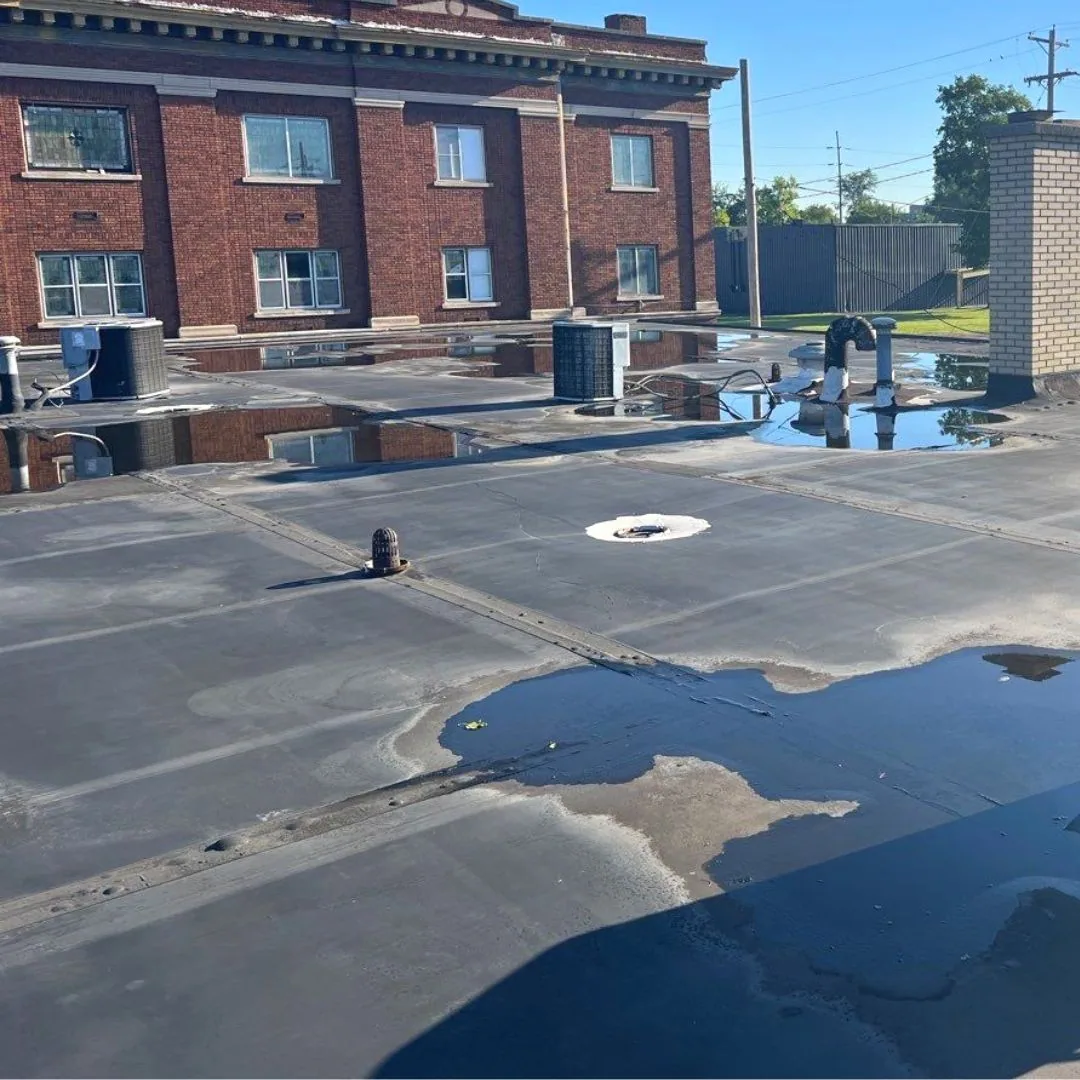
We start where the owner reports water or a roof change. The interior mark is compared with the roof above, then nearby seams, penetrations, perimeter metal, and drainage are checked for a connected path. A visible patch may cover an older detail, so we note its limits and ask when it was installed if records are available. If the likely entry remains uncertain, we list a test opening separately rather than extending repair into unverified material.
Temporary protection can reduce interior exposure while the permanent repair is planned. The crew documents the protected area and explains what the next inspection must confirm. A commercial roof inspection creates a record of the assembly and current condition, while emergency roof response handles active water at any hour. The two scopes serve different timing needs. We show the owner which action can happen now and which requires a roof-side test or operating approval.
Choose a Work Period That Can Close the Roof
Aubrey’s comprehensive plan treats the US 377 corridor as a possible setting for business parks and professional offices, while describing current office demand as modest. For a roof decision, that distinction matters: a proposed use and an existing tenant schedule are not the same operating condition. We ask what is on the property today, what change is planned, and whether equipment or interior work is scheduled before setting the inspection sequence.
On a low-slope assembly, the review follows the details likely to be affected by that use: perimeter transitions, penetrations, drains, and any area already opened for service work. Findings stay tied to the inspected section. If one connection is the only confirmed defect, a bounded repair can be priced with a clear stop line; a broader plan should wait for evidence that reaches beyond that detail. The written scope separates current condition from a future-use assumption.
Show What Changes the Price
Pricing depends on the roof height, access route, assembly layers, area requiring removal, insulation condition, and how long the building must stay protected. We measure the work boundary and identify concealed assumptions. If the roof has more than one layer or a test reveals moisture, the proposal states how that affects labor, disposal, and the follow-up decision. Those costs are not hidden inside a broad replacement number.
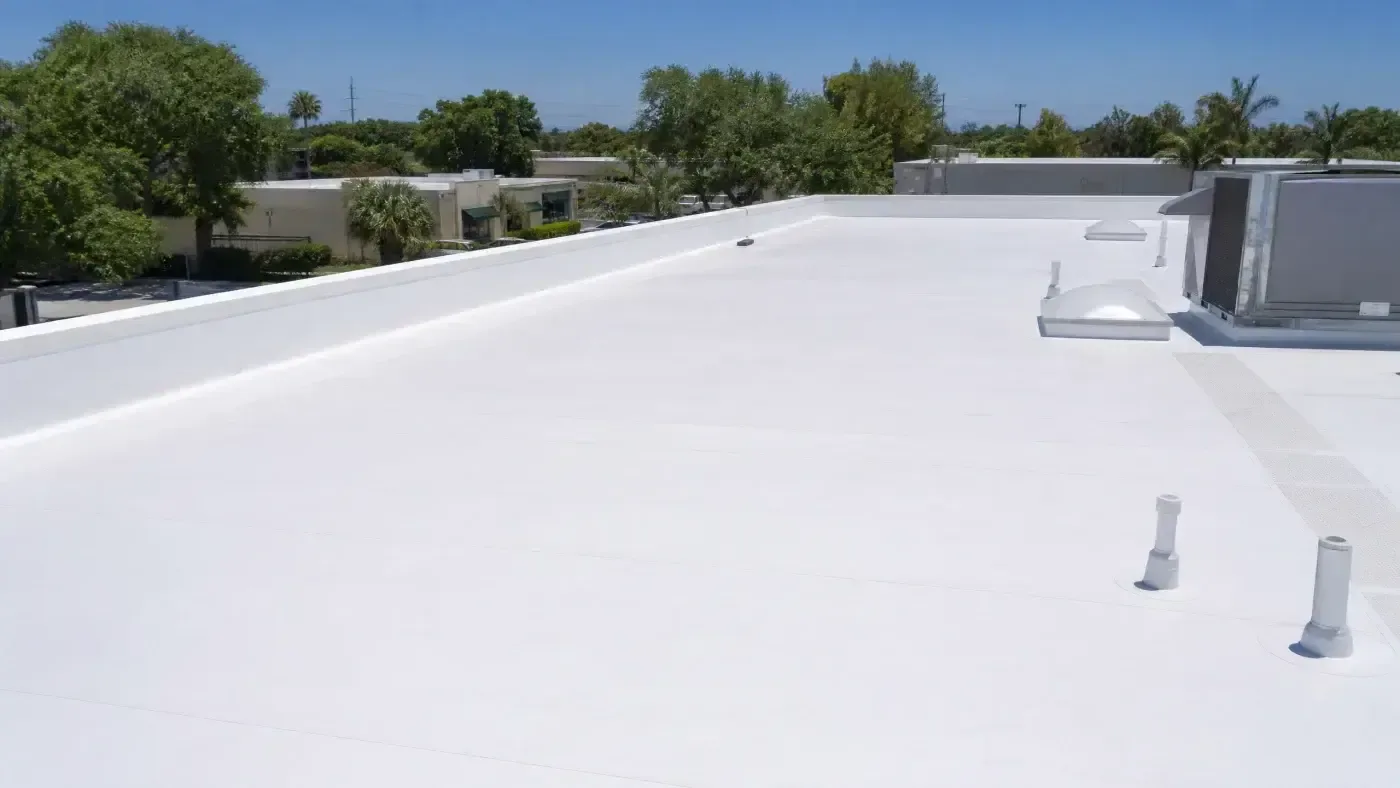
Replacement belongs in the comparison when repeated leaks, broad wet insulation, or attachment issues extend beyond the reported detail. A roof capital plan can show when a larger project merits a budget date, while coating restoration is considered only after adhesion and substrate conditions support it. We do not use a future corridor designation to imply current demand or a certain roof system. The inspection record connects each option to this property and keeps optional testing visible.
On a property that may be renovated later, we separate temporary preservation from permanent design decisions. A leak near a planned equipment location can be repaired to the current approved condition, while the future curb or unit waits for drawings and coordination. The owner can authorize the safe work now without pricing an unreviewed penetration. We record which roof area may be disturbed later and what should be inspected again before a new connection is made. That note helps the next project team avoid treating an old patch as a finished tie-in.
If the planned use changes, the schedule and roof scope can be updated from current documents rather than assumption.
Keep a Record Through Any Change
Closeout should make a later inspection faster. We label photographs by roof area, record the repair material when known, and list details that need observation or testing. If a future US 377 project changes the building use or rooftop equipment, the owner can compare the new design with the condition map from today. The record identifies what was inspected before that change and which tie-ins should receive another look.
Aubrey's long-range plan may help an owner think about future use; the present roof findings govern today's repair. We respond around the clock when water is active, then return a prioritized repair-versus-replacement scope after the access window is confirmed. Share the building use, leak status, records, and decision date. We will show what is ready to proceed, what needs a test, and what can remain in the future budget file.
Commercial Roofing Questions
Does Aubrey’s US 377 plan mean business-park roofs are already in place?
No. The plan identifies candidate future uses and notes modest current office demand. It does not establish a specific building or roof system. We inspect the property that exists today and keep possible future work separate until plans and access are confirmed.
Can a roof inspection help before a planned change of use?
Yes. We can document the current assembly, drainage, and penetrations, then list areas that need review when a new unit or opening is designed. The present report is a baseline, not approval of an unbuilt detail.
What if we cannot confirm where a leak starts?
We trace the interior report to the roof area and photograph nearby details. If the path remains uncertain, a test opening is listed with its own cost and authorization before expanding the repair boundary.
How do you keep storm repairs separate from future capital work?
We identify observed changes tied to the reported event and keep unrelated conditions in separate line items. A repair can proceed for a confirmed opening while the owner reviews testing or replacement options for other sections.