Water inside a Princeton, TX suite needs a first-hour plan, a protected interior, and a roof section before permanent work is priced. We document where the leak appeared, trace the likely route, and check the surface above it. Princeton's development program describes commercial growth and publishes review information for business and mixed-use projects. That context can make approval and use questions worth confirming, but it does not identify a building's tenant, roof system, or damage. We verify the property's actual records, assembly, and access limits with its owner.
The first inspection connects the reported room to nearby seams, penetrations, curbs, drains, and edge details. If water is active, response is available overnight, weekends, and holidays while we arrange temporary protection. A water-path review sets the next test or repair boundary. A Frisco Dallas Parkway inspection or a Melissa roof assessment receives a separate building map. One city's development material does not carry a roof condition into another address.
Confirm Use, Approval, and Access
Princeton publishes development review information for business and mixed-use projects. The owner confirms what applies to the property and roof scope before work begins. We record the person who can authorize a test opening or change, along with the roof entrance, service route, occupied hours, and staging location. If another trade controls equipment or a line, the schedule identifies that handoff before the crew opens a section.
If the affected area sits over an occupied suite, we coordinate protection below before opening the roof. The property contact identifies equipment, access to the room, and any operating period that cannot be interrupted. We record the interior protection limit alongside the roof boundary, then state whether a ceiling trade or equipment contractor needs a separate schedule. This keeps the roof scope distinct while the owner arranges follow-up inside.
We inspect what can be reached safely and photograph seams, wall transitions, curbs, drains, fasteners, and prior repairs near the reported water path. The written report distinguishes visible conditions from questions that require a test. A commercial inspection can document a section map and access limits. If a property team needs a recurring review, a maintenance visit can record drains, penetrations, edges, and repairs after the leak is resolved. The service record belongs to that building, not to a project category.
Trace Water Beyond the Visible Mark
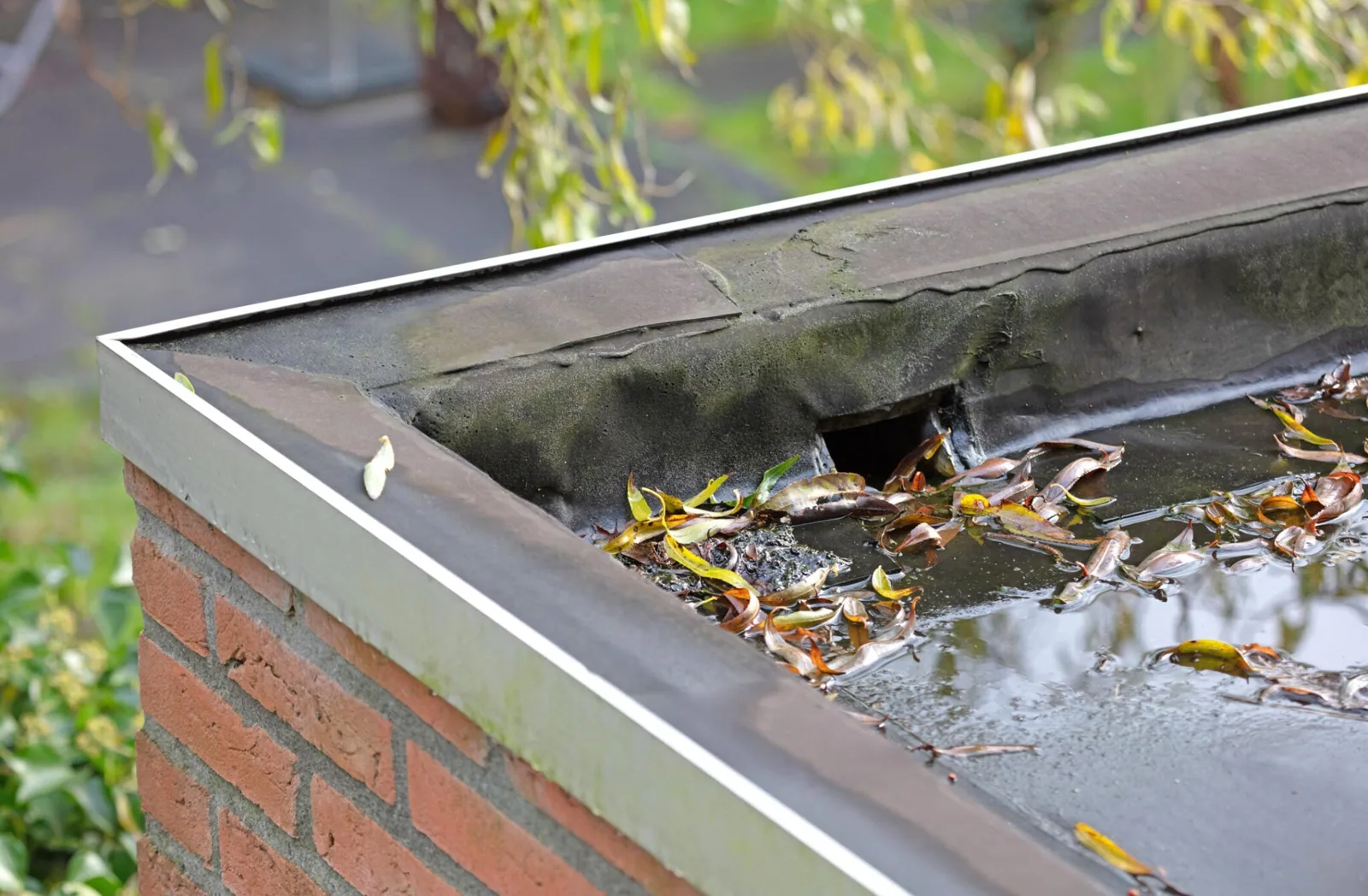
The ceiling location can differ from the roof entry when water follows a deck flute, insulation joint, conduit, or framing member. We ask when the stain or drip started, whether it changed with rainfall, and what roof work happened nearby. Then we check the closest seams, curbs, wall flashings, drains, and metal edges. If a visual check cannot confirm the source, the report identifies what test or opening could resolve it before the owner expands the repair.
For the DFW area, long-term normals tally 37.01 inches of precipitation in a year, with May's monthly mean at 4.78 inches. Those regional figures support checking drainage and a secure stopping point, but they do not establish how much rain reached a specific Princeton property. We inspect bowls, scuppers, overflows, and surrounding membrane, then show drain work separately if needed. A drainage correction can be listed beside a bounded roof repair without combining two locations or quantities. The map indicates which line addresses each observed condition.
Build a Secure Weather Sequence
DFW average daily highs reach 95.6 degrees in July and 95.8 in August in the 1991 to 2020 normals. Prolonged heat can affect roof movement and how much work fits in a shift. We check the actual material and surface, then schedule installation steps around product requirements and safe access. Regional temperatures help with timing; they do not prove the condition of a Princeton roof. The work plan states how a section will be opened and secured before the crew stops.
The National Weather Service identifies spring as the DFW area's peak severe-weather season. In DFW, spring concentrates the most severe thunderstorm activity; a site inspection still has to establish whether a particular roof shows new impact. We inspect visible evidence before listing storm repairs. A hail-condition assessment can document impact separately from ordinary surface wear. If water is active, temporary protection comes first; permanent repair follows the measured roof condition. Frisco's North Platinum corridor and Princeton's development context remain separate planning areas with separate access records.
Keep the Base Scope Measurable
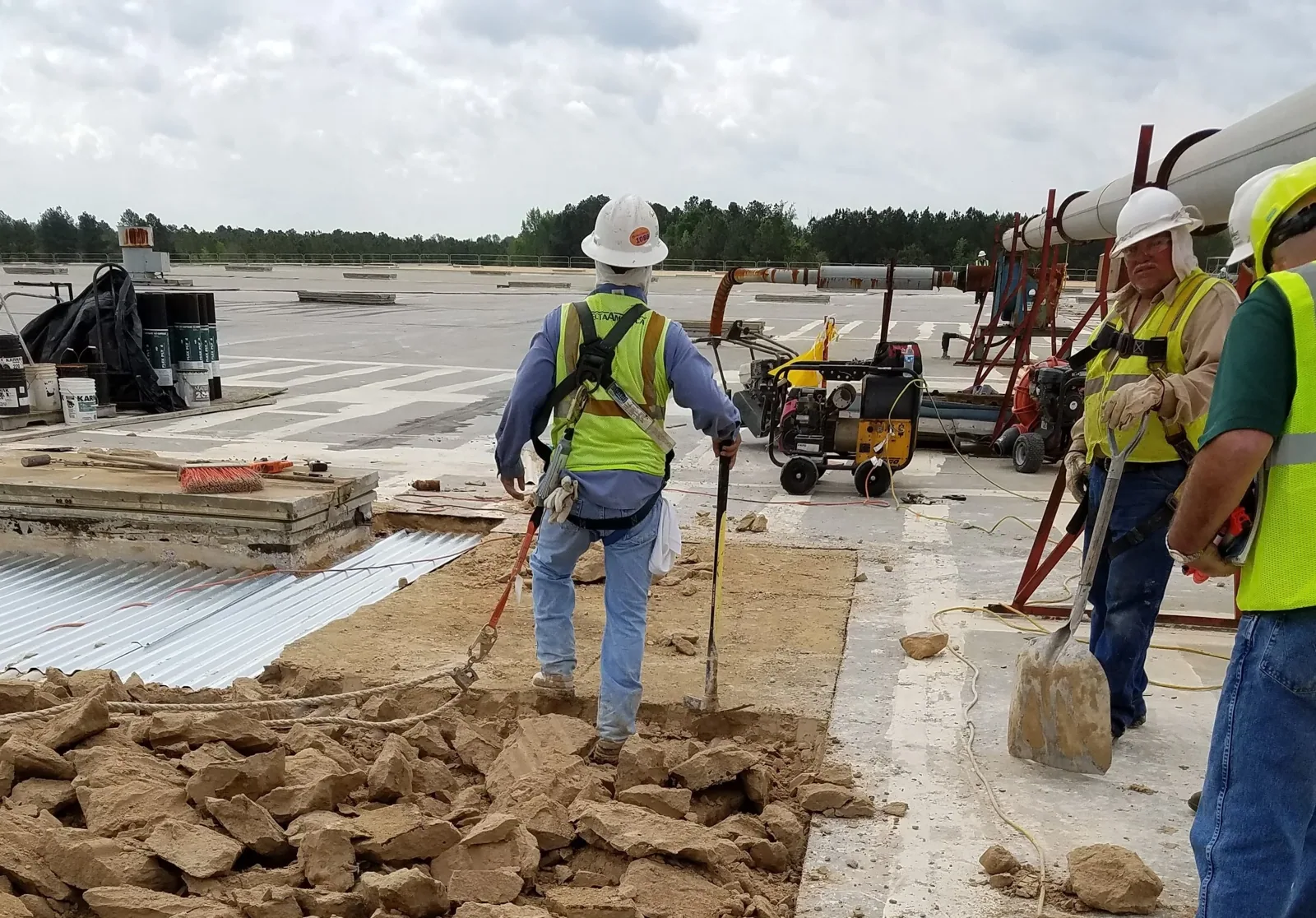
A repair may fit when one flashing, seam, or penetration has failed and adjacent material remains serviceable. We state preparation, product, measured area, and the stopping point. If leak history, moisture mapping, or attachment checks point to broader deterioration, we price a replacement path separately. Our side-by-side summary marks what is confirmed, what remains hidden, and what a test opening would quantify. If the roof opens, we photograph and measure the finding, protect it, and request written authorization before work expands.
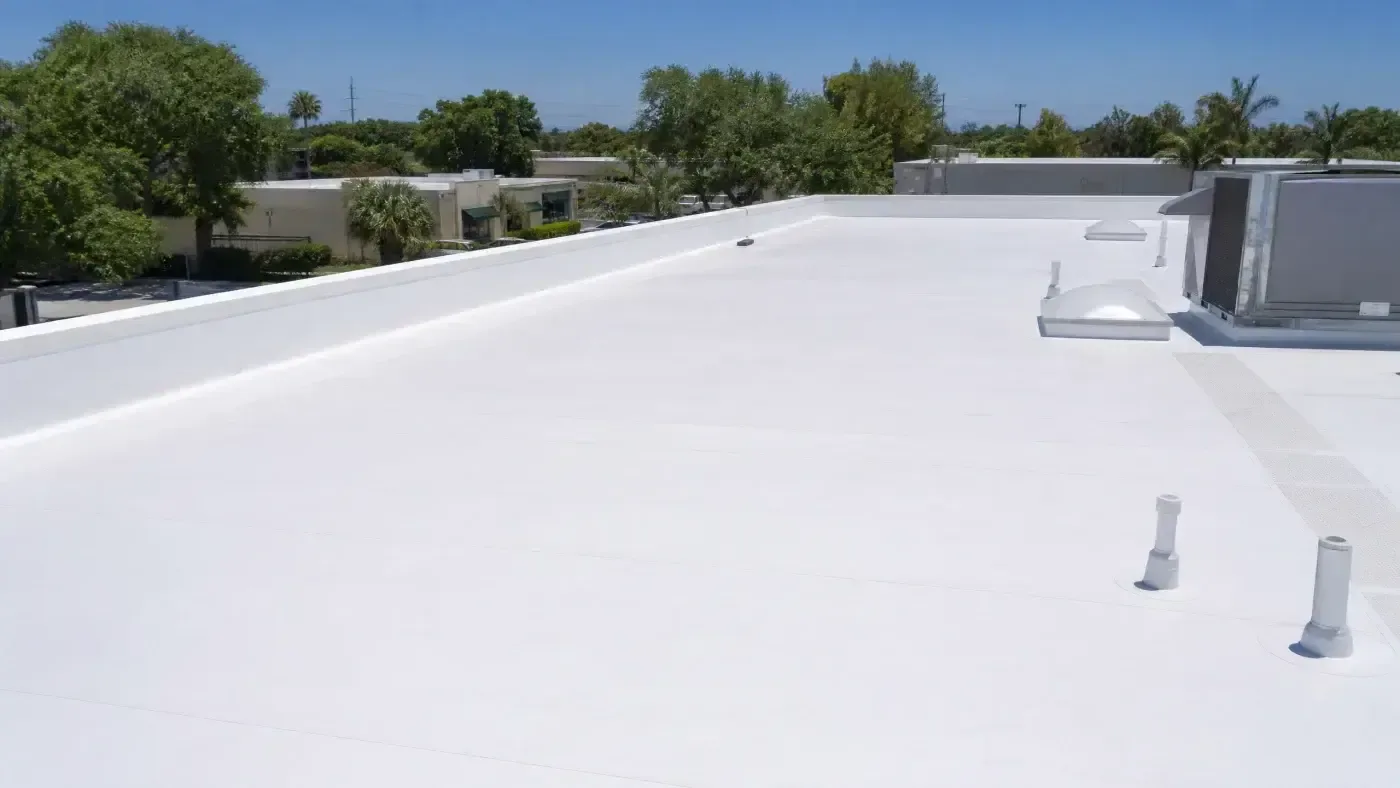
Estimate timing changes with deck elevation, existing buildup, delivery constraints, drainage corrections, insulation scope, disposal volume, and the schedule available for occupants. A replacement alternative should show its own quantities, assumptions, and daily secure plan. A coating or recover is considered only after moisture and attachment checks support that path. Princeton's business and mixed-use review material does not select a roofing system. A system evaluation follows the actual assembly and approved design, with the next spend tied to an observed condition rather than a city planning label.
Carry the Record into the Next Budget Review
Before mobilization, we confirm the roof entrance, staging, delivery route, occupied hours, and decision-maker for changes. The daily sequence identifies the roof area that can be prepared and secured before the work window closes. If access changes or another trade is delayed, we document the affected section and set a new approval point rather than leave an open boundary unclear.
Closeout includes dated photographs, repair locations, material installed, approved changes, and open items that need testing or another visit. A later leak can be compared with that map. Frisco's Dallas North Tollway improvements and North Platinum sites are separate from Princeton's business and mixed-use review area. The asset record remains specific to the building and its scope. Share the room, leak status, available roof plans, and access window. We will identify the first check, then return a repair-versus-replacement recommendation and the decision date that goes with it.
Commercial Roofing Questions
Does Princeton's development review identify what roofing approval is needed?
It provides review information for business and mixed-use projects. The owner or project contact confirms which review applies to the specific property and scope. We can document the roof assembly and proposed boundary so the appropriate reviewer has the work detail to consider.
How do you handle an active leak before the full scope is ready?
We protect the interior, inspect the likely roof section, and document what temporary protection covers. The permanent repair remains a separate line until the visible condition or test supports its boundary. Any opening or added quantity needs owner approval before the work expands.
What determines whether a leak needs a test opening?
A test may be useful when the source is concealed or moisture could extend beyond the visible seam or flashing. We identify the location, what the opening will answer, how it will be protected, and who must approve it. The owner can then compare that information with the repair decision.
What should remain in the roof file after the job?
Keep dated photographs, roof-section labels, installed material, repair boundaries, approved changes, and open conditions. We return those items at closeout so a later inspection or leak report can be compared with the work completed.