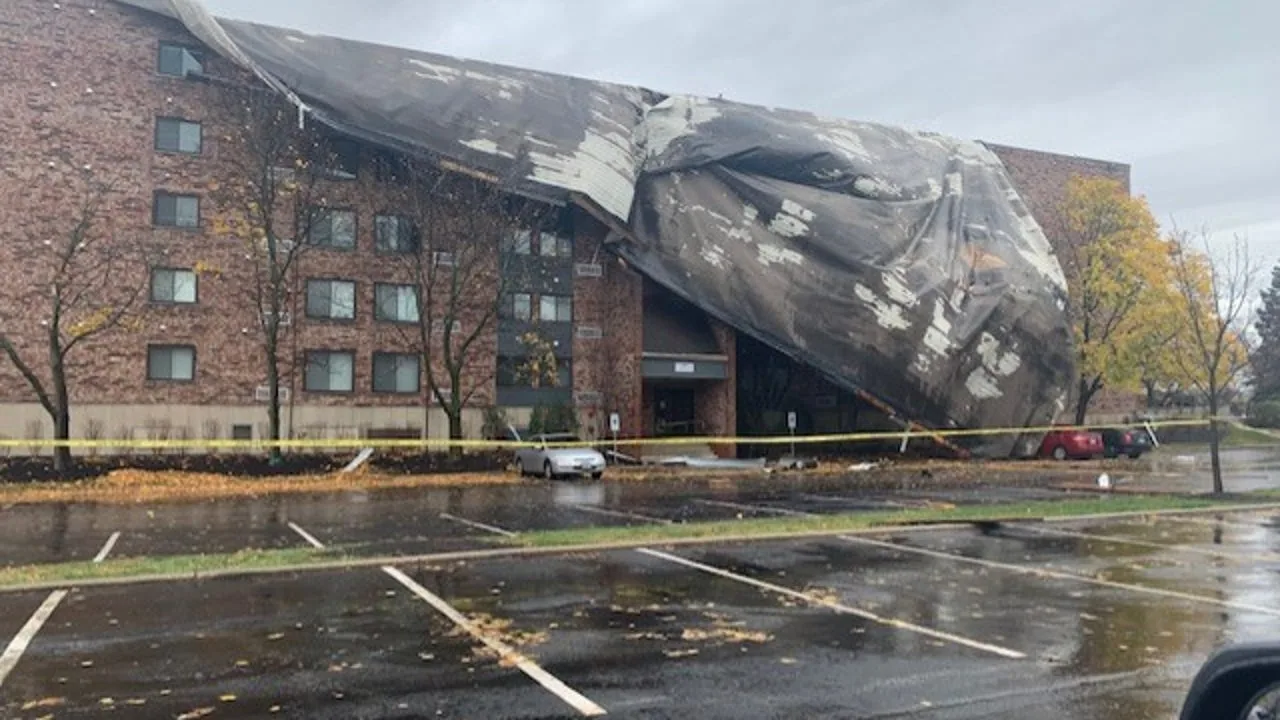
A stained ceiling near a Melissa work area needs a roof section and an access window before the owner approves a permanent fix. We protect the interior, trace the likely water path, and photograph the details around the reported leak. Melissa's economic-development program supports industrial and commercial projects and business infrastructure; the city's US 75/SH 5 corridor connects regional employers. That context can inform staging questions, but it does not establish a particular building's tenant, roof system, loading route, or damage. We confirm those conditions with the property contact before setting a work boundary.
On the first visit, we record where water appeared, when it started, and what must stay available below the roof. We check seams, penetrations, curbs, drains, edge metal, and past repairs near that area. If water remains active, around-the-clock response can set temporary protection while we define the permanent scope. We connect the reported symptom with observed roof details before estimating. An Allen property review and a Celina property inspection each receive separate photographs and authorization records.
Confirm the Route Before Materials Move
US 75 and SH 5 are part of Melissa's regional access context, and the city's economic-development work supports commercial and industrial projects. Neither fact says how a specific site receives deliveries or where a roofing crew can stage. The property manager confirms the entrance, loading route, roof access, hours, and any area that must remain open. We put those limits into the work plan before a lift, dumpster, or material delivery is scheduled.
The interior report helps us choose where to inspect first. We identify the room, equipment, and timing, then compare them with roof details above and nearby. If the source appears concealed, we state what test or opening could resolve it and get approval before expanding. A roof inspection can record accessible sections and limitations. For distribution or production operations, an operating-building sequence may require a specific loading period and daily secure point; the actual property contact sets those requirements. If access changes during the work, we record the affected section, protect the opening, and reset the approval window before proceeding. We keep that update with the approval record.
Follow Water Through the Roof Details
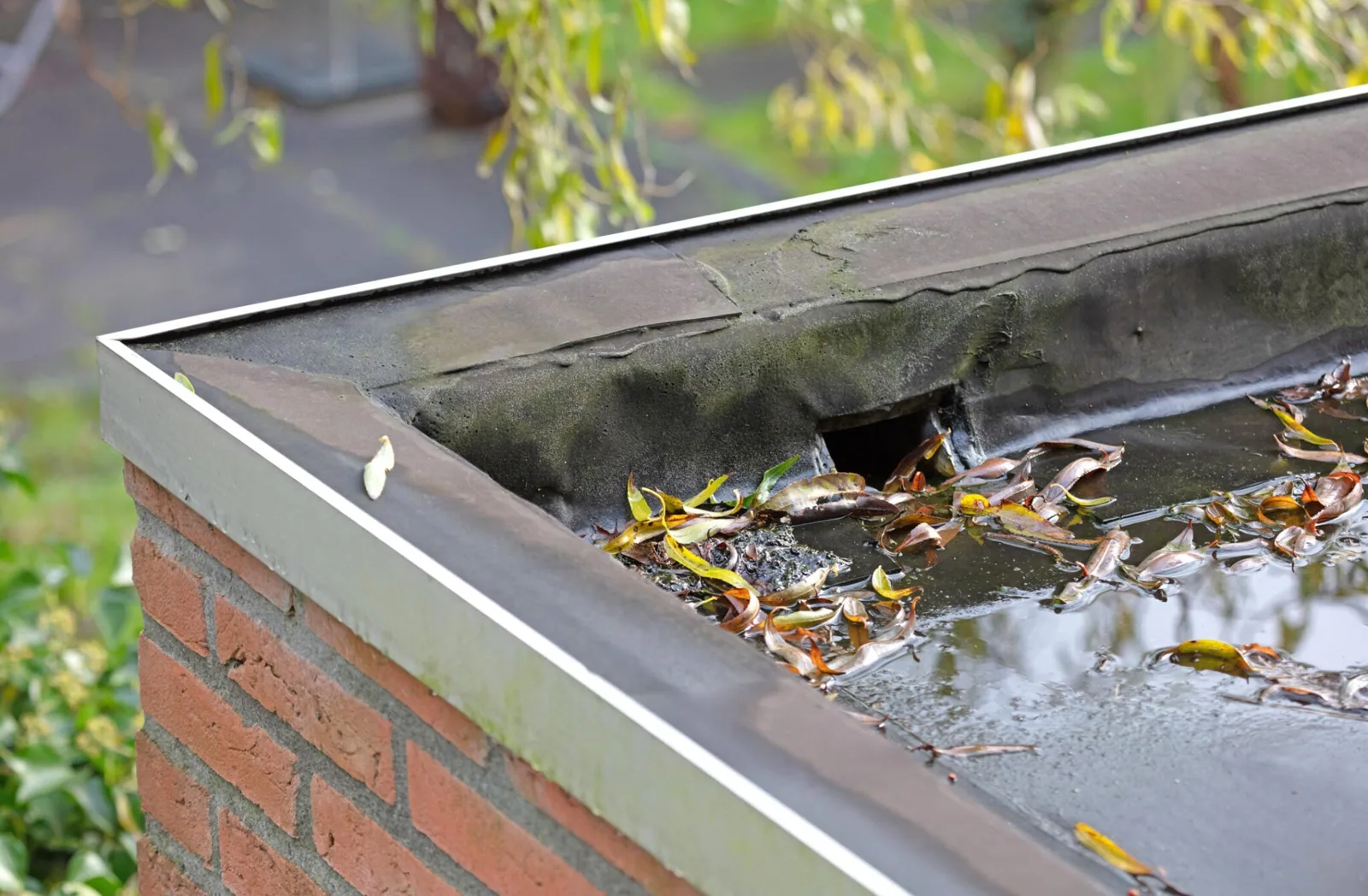
Water can move from a failed curb or seam before reaching a ceiling. We inspect wall terminations, pipe supports, equipment curbs, drains, scuppers, and edge transitions around the likely path. A sound-looking field membrane does not rule out a failed detail, and a wet ceiling does not identify the entry by itself. The report shows each observation on a roof map and marks areas that need another test before the owner approves added work.
The regional DFW precipitation normal totals 37.01 inches per year, while the May monthly average is 4.78 inches. That is regional context for checking the drainage route and protecting open sections, not a claim about rainfall at the Melissa property. We verify whether drains and overflow paths are clear and identify any correction separately from membrane work. A drainage check can be a distinct line beside a defined repair scope. The owner sees which correction addresses water movement and which one repairs the roof assembly.
Set the Shift Around Heat and Storms
In the 1991 to 2020 DFW series, August's average daily high is 95.8 degrees, just above July's 95.6; the schedule should still follow actual surface conditions. Heat exposure can affect the roof surface and the timing of some installation steps. We inspect the actual material and set a safe work window around its requirements rather than infer a defect from a regional average. The daily plan identifies what can be opened and secured before the crew stops, especially when the building remains occupied.
Spring is the severe-weather peak in North Texas. The severe-weather tally includes a Metroplex location with large hail or damaging wind in nearly every year; that regional count does not establish conditions at a Melissa address. We inspect visible evidence before assigning storm work. The report records impact, displaced metal, seam changes, and inaccessible locations. A storm-damage inspection can be paired with temporary protection if water is active, but permanent repairs follow the measured condition. Frisco's Dallas North Tollway and US 380 work is a separate corridor context from Melissa's US 75/SH 5 access, so we keep records local to each property.
Choose a Repair Boundary the Owner Can Review
A bounded repair may fit when one penetration, seam, or flashing has failed and nearby material remains serviceable. We describe the preparation, material, repair area, and stopping point. When failures repeat or moisture extends beyond that detail, we prepare a separate replacement comparison. A test opening or removal may expose wet insulation or deck damage; we photograph it, protect the opening, and request approval before expanding the authorized quantity. When insurance documentation is requested, we can provide photographs and a written roof scope. That record describes the condition and work considered; coverage remains a separate decision for the owner and insurer.
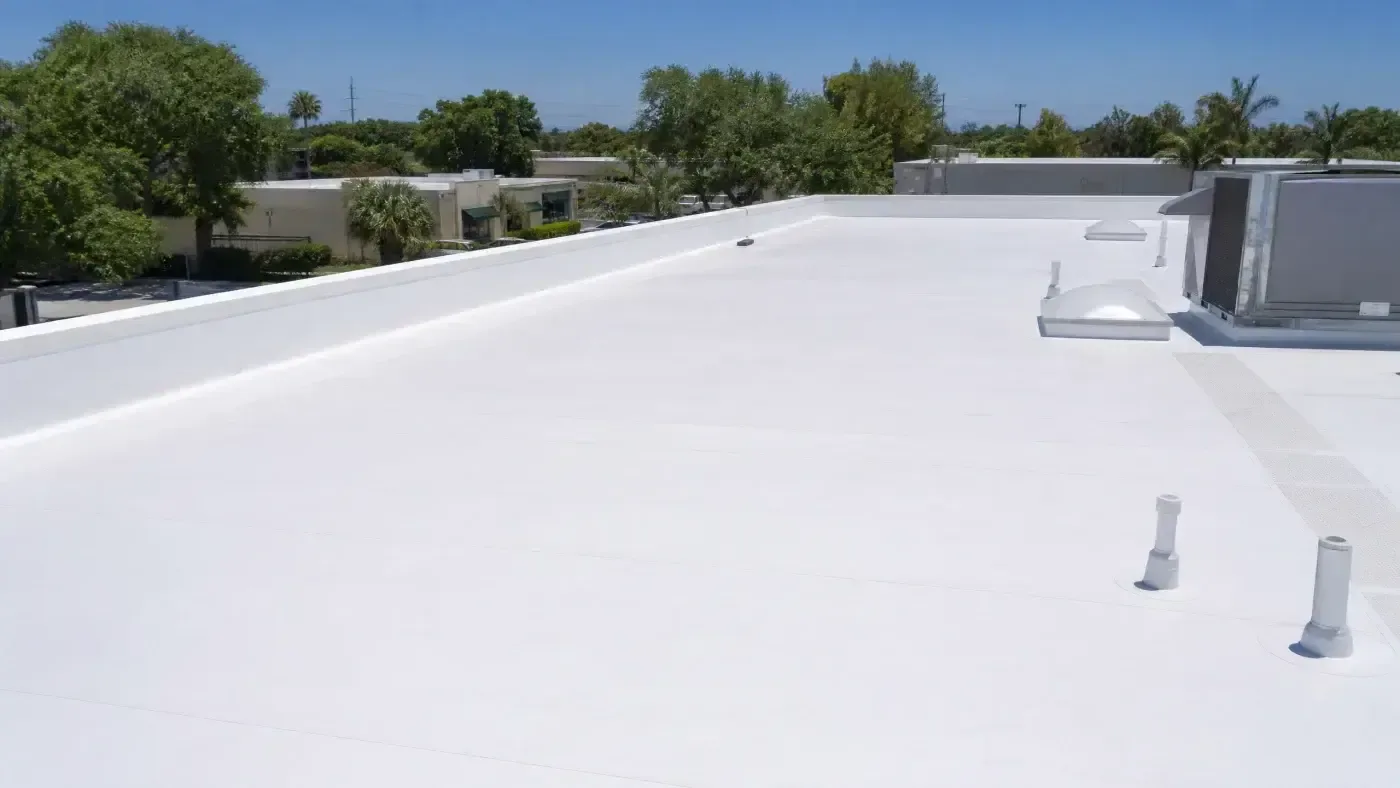
Price and schedule depend on elevation, roof buildup, material quantities, loading limits, water handling, tear-off disposal, and the work hours the building can support. A replacement proposal should show the tear-off, attachment, flashing, and daily secure plan, distinct from the repair estimate. If the roof can be restored, we first confirm that its moisture condition and existing layers support that path. A photo-based condition record can preserve the evidence and assumptions. The owner can use those separate options to align the next spend with an approved scope and budget date.
Close the Work with a Section Record
Before mobilization, we confirm the roof entrance, staging space, delivery route, work hours, shutdown authority, and person who can approve a change. Each shift has a defined area that can be installed or protected before work stops. If another trade controls equipment or a service line, we set that handoff before opening the roof. The property contact receives the schedule and knows which decision could change the boundary.
Closeout includes dated photographs, repair locations, materials, approved changes, and any condition still requiring testing. The owner can compare a future leak with the repaired section instead of assuming the source stayed the same. Melissa's US 75/SH 5 context and Frisco's employment corridors are distinct locations; each property receives its own records. Share the affected room, leak timing, roof history, and access window. We will document the first check and return a repair-versus-replacement scope with its quantities and approval points stated.
Commercial Roofing Questions
Does Melissa's commercial-development program tell you the roof type?
No. It describes economic-development support and a regional commercial context, not a building's roof or tenant. We confirm the property use, assembly, and access requirements before setting a repair or replacement scope.
Can work be staged near a loading area?
We confirm the actual entrance, truck route, delivery hours, and area that must remain clear with the site contact. The proposal names the staging point and the daily secure area. If a lift or dumpster would interrupt a required route, we set a different window before scheduling delivery.
Will a drain problem be included in the membrane repair price?
We inspect the drain and surrounding membrane, then show each correction by location. If drain work and a seam repair are separate quantities, they remain separate lines. A test or concealed condition that changes either scope requires approval before added work.
What should we receive after a roof repair?
Keep dated photographs, repaired section labels, materials installed, approved changes, and any open condition with the building record. We return those items at closeout so a later leak or budget review can be compared with the work completed.