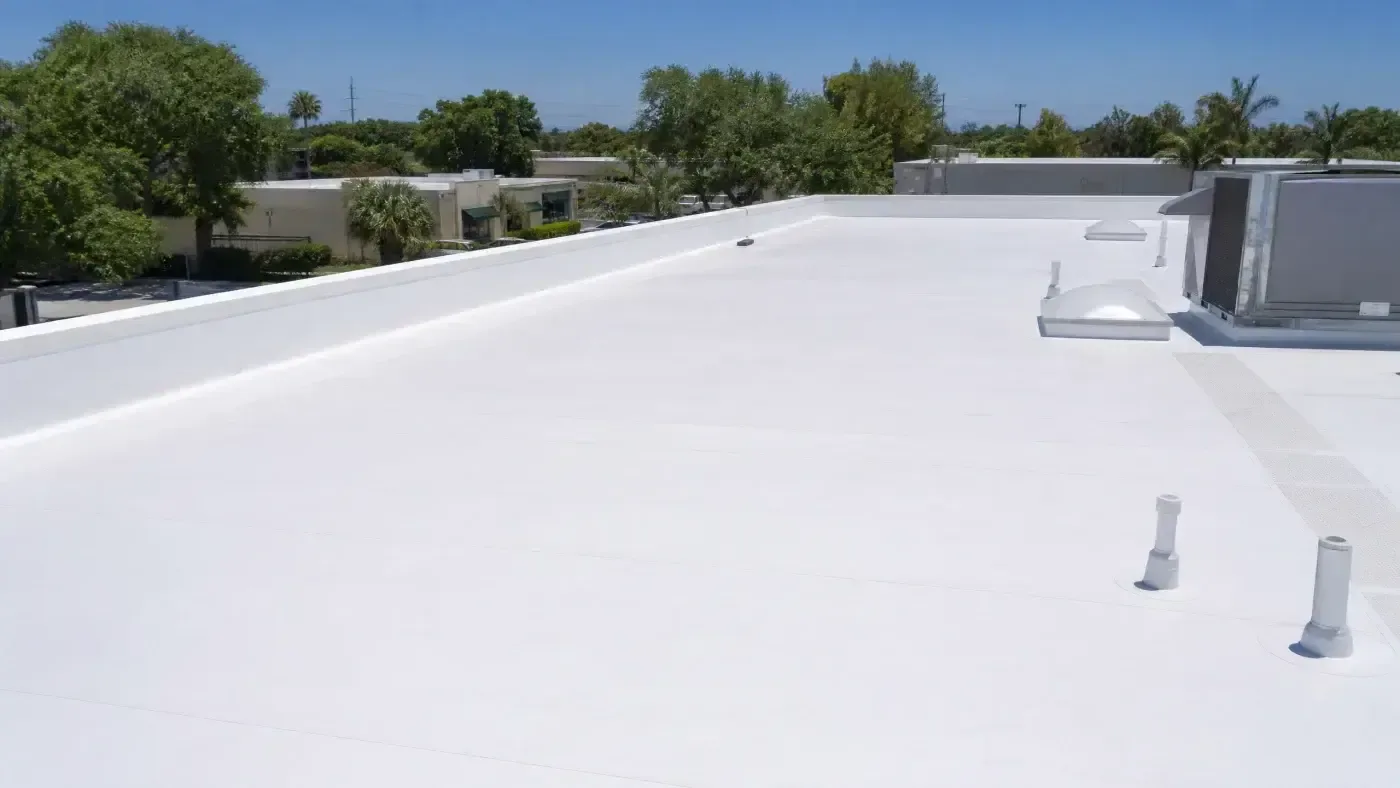
A tenant-space ceiling mark in Southlake needs a water path and an access plan before the owner chooses a roof scope. We protect the interior, inspect the section above it, and document visible seams, flashings, drains, and prior repairs. Southlake's land-use plan treats the SH 114 corridor and FM 1709/FM 1938 corridors as substantial employment and commercial planning areas. That planning context can shape a property team's access questions, but it does not identify a particular building's tenant, system, or roof condition. We confirm those details with the owner before pricing permanent work.
The first visit records when water appeared, what must remain open, and who can approve a test or scope change. If the leak is active, emergency response is available around the clock and temporary protection stays separate from the permanent repair. A leak-path assessment connects the reported area to the roof map. A North Platinum review or a Dallas Parkway assessment receives its own inspection record, even for one regional portfolio.
Use Planning Corridors as Context
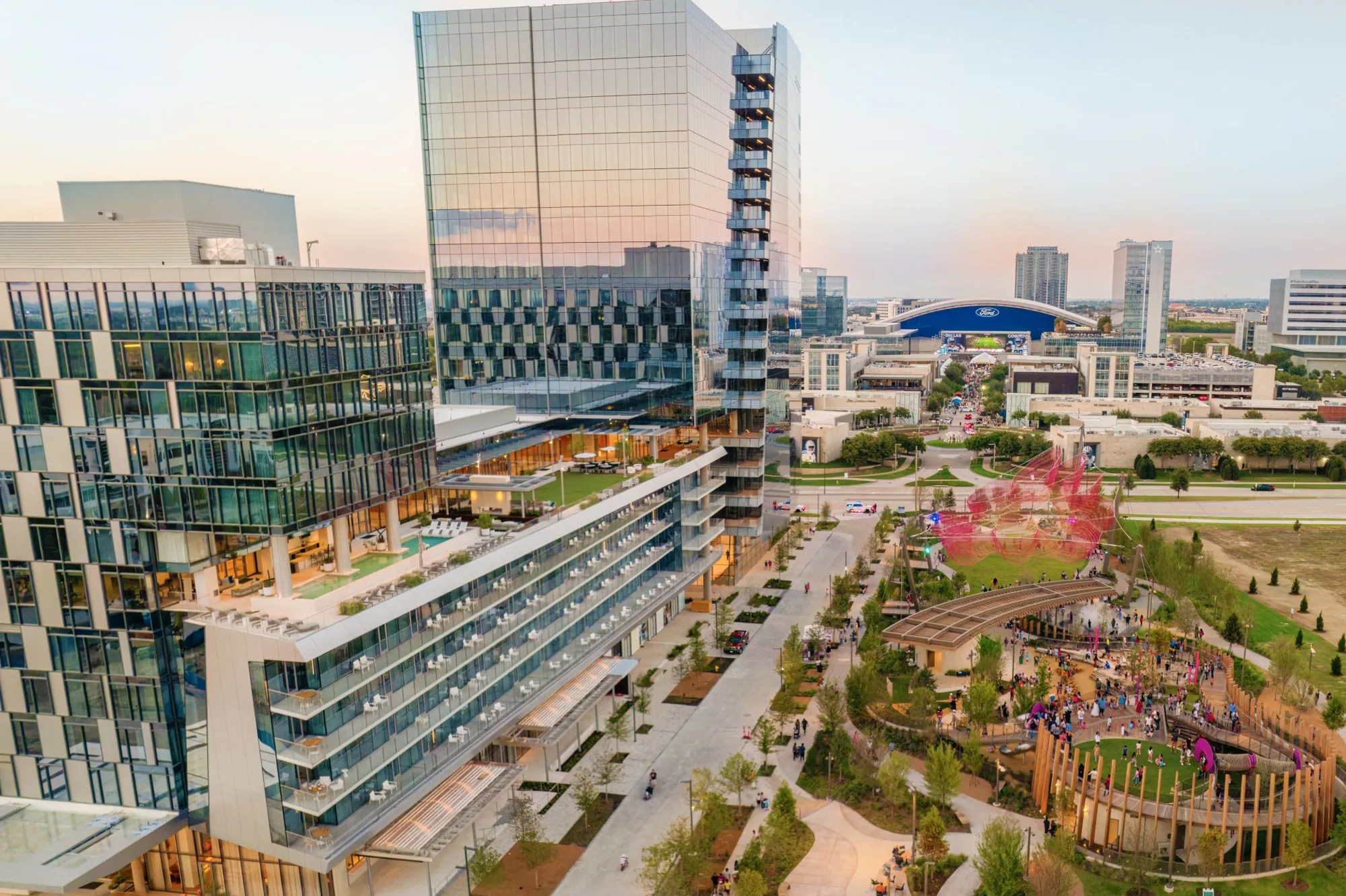
Southlake's planning identifies commercial and employment corridors at SH 114 and FM 1709/FM 1938. The reference describes areas, not a specific roof or the operating hours at an address. We ask the property contact which entrance, loading zone, or service lane must stay available. If access requires a lift, escorted route, or a delivery window, we set that condition before materials arrive. A corridor map cannot replace a roof inspection or a site-level work plan.
Our inspection begins with records when available, then confirms the visible material and details on the roof. We check seams, edge conditions, curbs, penetrations, drains, and wall transitions around the reported path. A commercial roof inspection can label the section, photograph findings, and identify inaccessible areas. If a concealed condition could change the recommendation, we name the test opening and request approval first. The owner gets a scope that can be reviewed by the person responsible for building operations and budget.
Trace the Route Beyond the Ceiling Mark
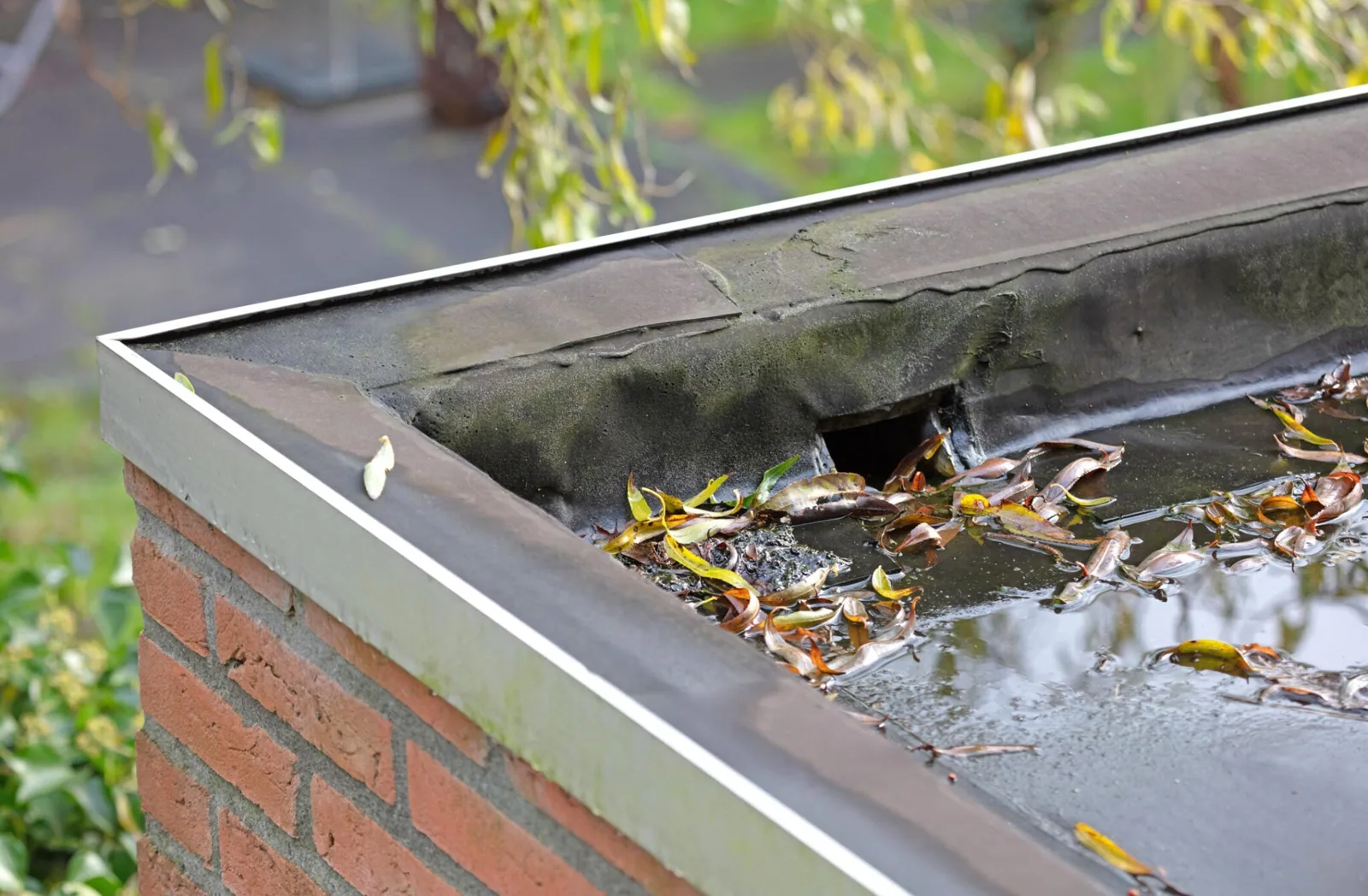
Water may enter at a curb or seam and travel along insulation or the deck before appearing inside. We compare the reported room with nearby roof transitions and follow the likely route without treating the stain as the defect. The inspection records the observation, any repair history, and the limit of what could be confirmed. If testing is needed, it remains a separate decision until the owner approves access and cost.
The DFW normals assign May 4.78 inches of average precipitation within a year that totals 37.01 inches on average. The figures make drainage and a secure closeout point worth checking, but they do not show where water entered a Southlake building. We inspect the bowls, scuppers, overflows, and membrane around those details. If drainage and flashing both need work, we show separate repair lines and identify which one controls the water path. A drainage review can be paired with a bounded roof repair without combining their quantities.
Schedule Work for Heat and Storm Exposure
DFW normals put July and August average daily highs at 95.6 and 95.8 degrees. Heat can affect surface movement and how much work can safely be completed in a shift. We set the sequence around the actual material and installation requirements. The regional normal does not diagnose a Southlake assembly. We inspect visible seams and flashing, then state the open area, protection method, and end-of-day boundary in the proposal.
Spring is the period of greatest severe-thunderstorm activity across North Texas. Before attributing a roof change to hail or wind, we record the observed mark, its location, and what nearby material shows. We photograph visible impact or movement before adding storm work. A heat-related surface review can address observed wear, while a condition map with photographs keeps the evidence tied to roof sections. The owner can compare a later inspection without treating regional weather history as proof of property damage.
Separate the Immediate Repair from Capital Work
When one visible failure can be isolated and neighboring surfaces remain sound, we can price a localized repair with a measured limit and clear stopping point. If the roof shows repeated failures or moisture beyond one detail, we prepare a separate replacement comparison. Concealed insulation or deck conditions are documented after removal, then priced only after the owner reviews and approves the added scope.
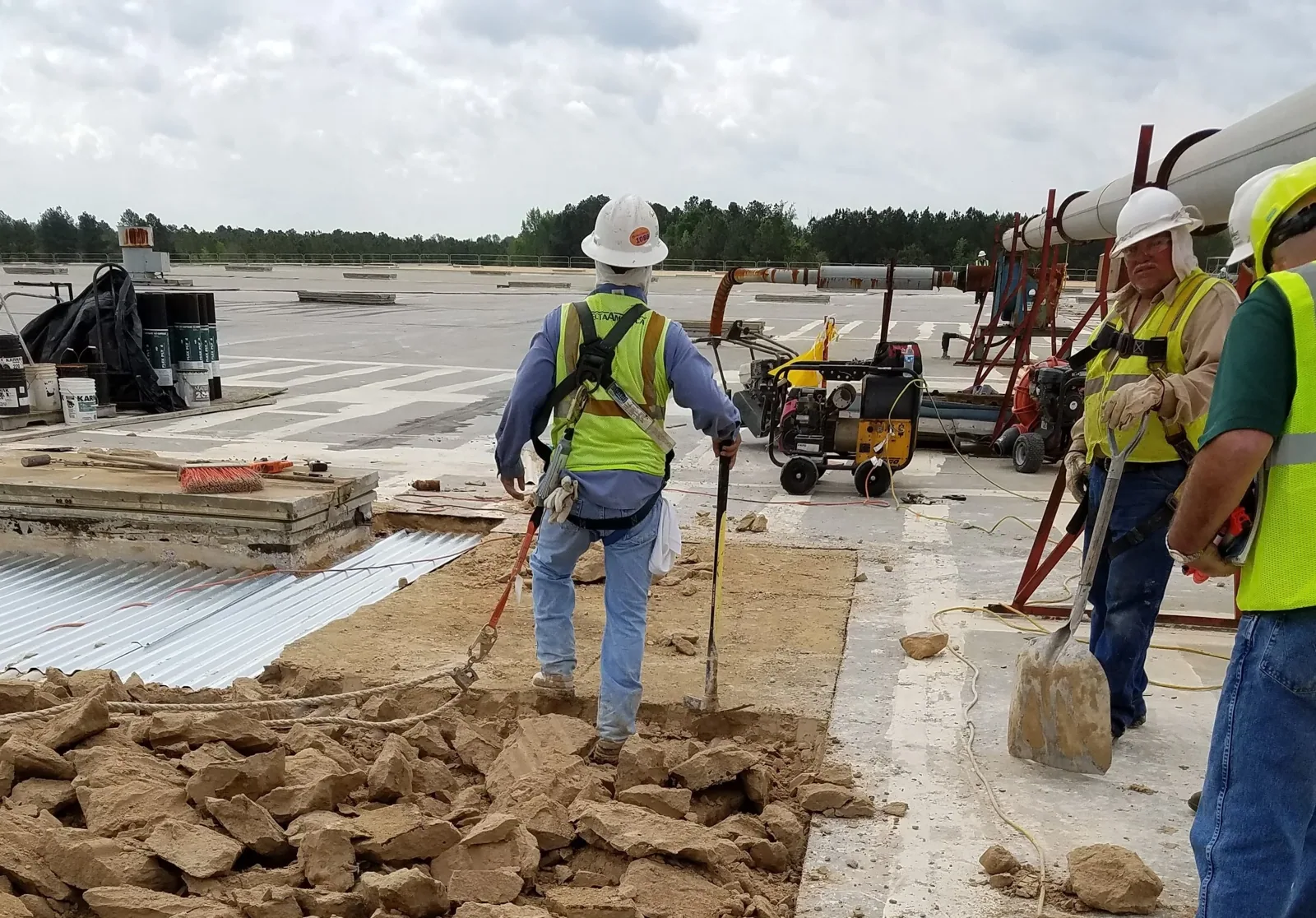
For a recover, we verify that the existing layers, attachment, drainage, and moisture condition support another assembly above. If those checks do not support recovery, we show tear-off and replacement as a separate alternative rather than using a coating to conceal an active defect. A test opening can expose wet insulation or deck conditions that were not visible from the surface. We photograph and measure the opening, protect it, and wait for written direction before extending work. That keeps the base bid measurable while the approval is pending and gives the owner a clear cost decision.
A taller property may require a different lift and work-zone plan than a low-rise office with a short closure window. We list the access assumption, surface preparation, disposal method, and approval point for hidden conditions before either option is priced. Southlake's SH 114 and FM corridors and Frisco's North Platinum area remain separate property contexts, so each asset keeps its own photographs and scope record. A replacement comparison can be considered beside the bounded repair, with each option matched to the same documented condition.
Keep the Work Record with the Property
Before mobilization, we confirm the roof entrance, staging point, occupied hours, service routes, shutdowns, and the person who can authorize a change. The daily sequence shows what area can be removed, installed, and secured before the crew stops. If another trade controls equipment or a utility line, its access window is set before roof work opens that section. The owner knows what to expect at the close of each shift.
At completion, we return dated photographs, repair locations, installed material, approvals, and conditions left open. A later leak report can be compared with the repaired section and its closeout record. Frisco's Dallas North Tollway and North Platinum references describe regional context, not a Southlake roof. We keep this building's findings and access instructions separate. Share the reported area, roof history, operating hours, and decision date. We will identify the next check and return a repair-versus-replacement scope with its boundary stated.
Commercial Roofing Questions
Does Southlake's SH 114 or FM corridor plan identify my roof system?
No. The plan describes employment and commercial planning areas. We confirm the building's use, roof records, and actual assembly before making a system recommendation or setting a repair boundary.
Can temporary protection be authorized before a full roof proposal?
Yes. We can address active water, document what the protection covers, and keep permanent repair separate. The inspection identifies the likely entry, accessible details, and any test or opening needed before broader work is priced.
How do you work around business hours and service access?
We confirm entrances, service routes, staging, rooftop access, and any shutdown with the property contact. The plan names the area that can be secured each shift and who can approve a change. If the access window is too short for a safe closeout, we schedule another period.
What evidence supports a storm repair?
Photographs of impact, displaced metal, seam changes, or other roof conditions support the inspection record. Regional weather timing can prompt a review, but the roof inspection must document property-specific evidence before we price storm work. We note inaccessible areas and keep the repair quantity tied to visible or tested conditions.