A distribution roof with an active leak needs a safe boundary before the loading schedule changes. In The Colony, we identify the affected section, protect the space below, and map the water path before recommending permanent work. The Colony's adopted plan positions Live Oak Logistics Park as an emerging regional warehousing and distribution center, alongside separate mixed-use business destinations. We confirm the actual building, roof assembly, and decision window with the property contact. A commercial roof inspection starts with observable conditions and the next approval needed.
The first call should establish whether water is entering now, where people or equipment need protection, and who can provide roof access. If the leak is active, our around-the-clock response can help limit interior exposure while we plan a permanent repair. We label the roof section and note what can be reached safely. The report then separates temporary protection, a bounded repair, and any test that could change the recommendation.
Start with the Building That Needs Work
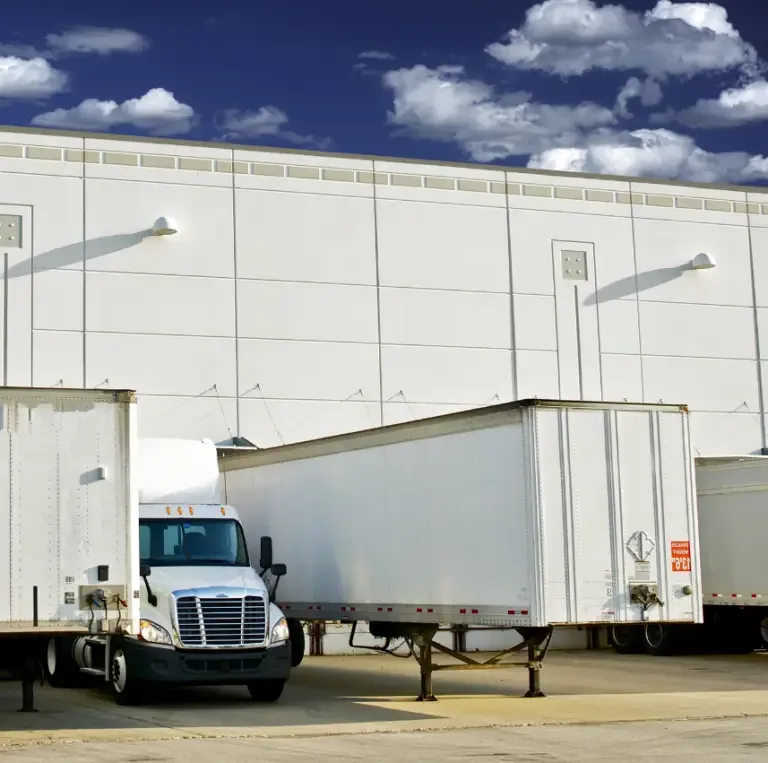
Warehousing, distribution, and mixed-use settings can bring different delivery windows, tenant routes, and rooftop equipment. We ask how the building operates before scheduling a lift, staging materials, or closing a roof area. At a logistics property, the work map may need to preserve truck circulation and keep a door clear. A roofing plan for logistics operations should account for the day’s work flow, not assume one from the land-use label.
The roof walk records membrane or metal type, visible seams, edge metal, flashing, penetrations, drains, and earlier repair marks. Inside, we compare the reported drip or stain with the roof area above it. Water can move along a deck or insulation joint before reaching a ceiling, so the visible symptom is a starting point rather than a diagnosis. If an opening is needed to confirm wet insulation or deck condition, the report states where it would occur, how the opening will be protected, and who must approve the added step.
Choose a Work Window for Roof Heat
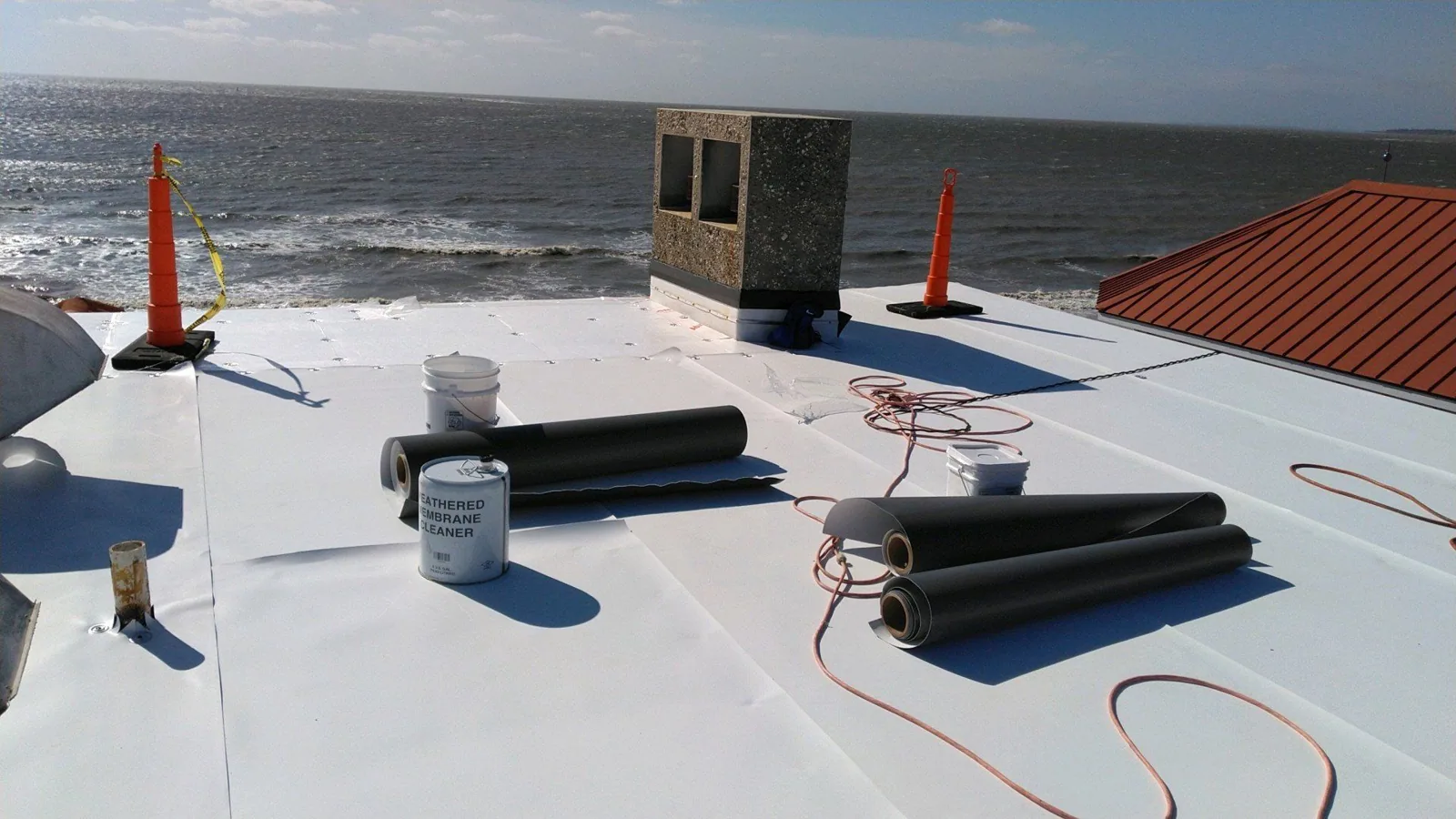
DFW's 1991-2020 record averages 37.01 inches of precipitation annually, with May averaging 4.78 inches. That volume makes drains, overflows, and discharge paths important inspection points, though the regional figure cannot diagnose this roof. We select a daily area that can be prepared, installed, and secured within the authorized shift. A TPO roof system still needs an assembly-specific inspection before restoration or replacement is priced.
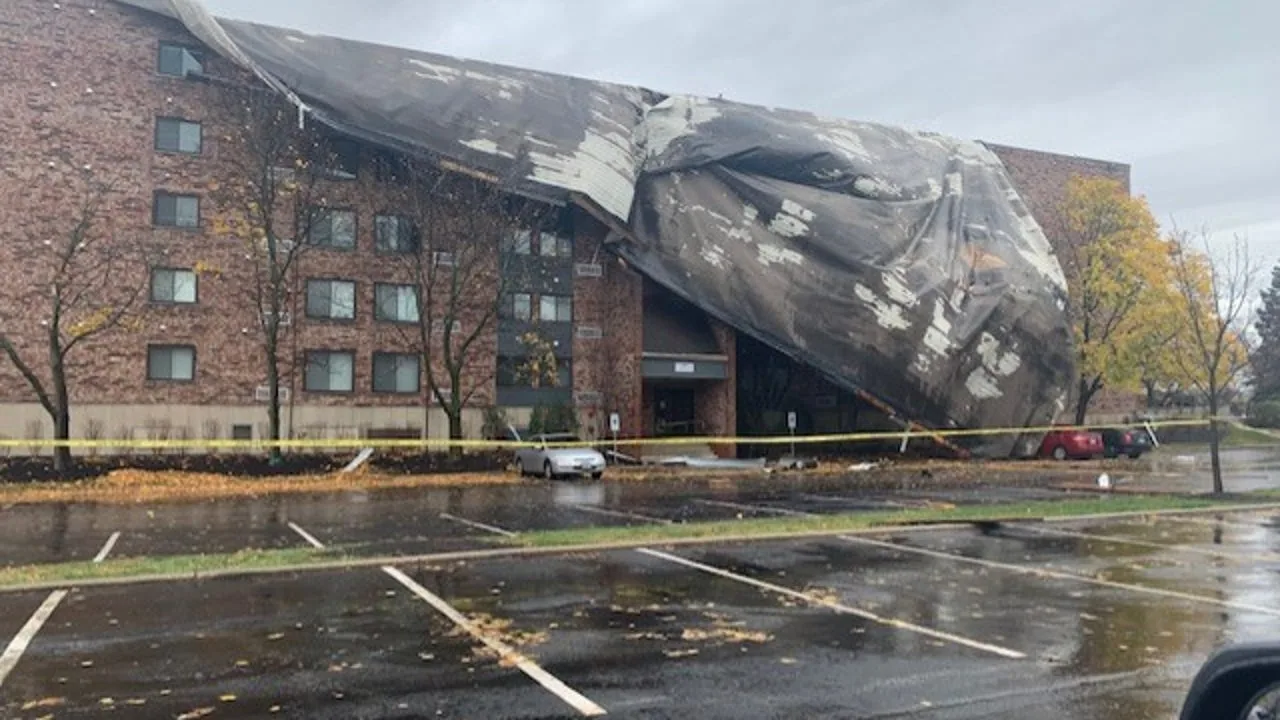
Spring is DFW's wettest and most active severe-weather season, with large hail and damaging wind occurring somewhere in the Metroplex nearly every year; a regional event does not show that a particular address was struck. After a warning or visible change, we photograph the roof edge, exposed metal, seams, curbs, and any debris or impact marks we can safely reach. If the roof remains dry and intact, the report says what was inspected and what could not be accessed. If a new leak appears, a hail-condition review can document the affected section and separate fresh findings from older repairs.
Trace the Drainage Route
A roof can hold water near a seam when a drain bowl is obstructed, an overflow is blocked, or the surface no longer directs flow as intended. We inspect drains, scuppers, low points, wall transitions, and the route to each discharge point. A drainage correction can be priced separately from unrelated field work. If ponding continues after a clear drain path is confirmed, we measure the affected area and review the structure and assembly before recommending a broader correction.
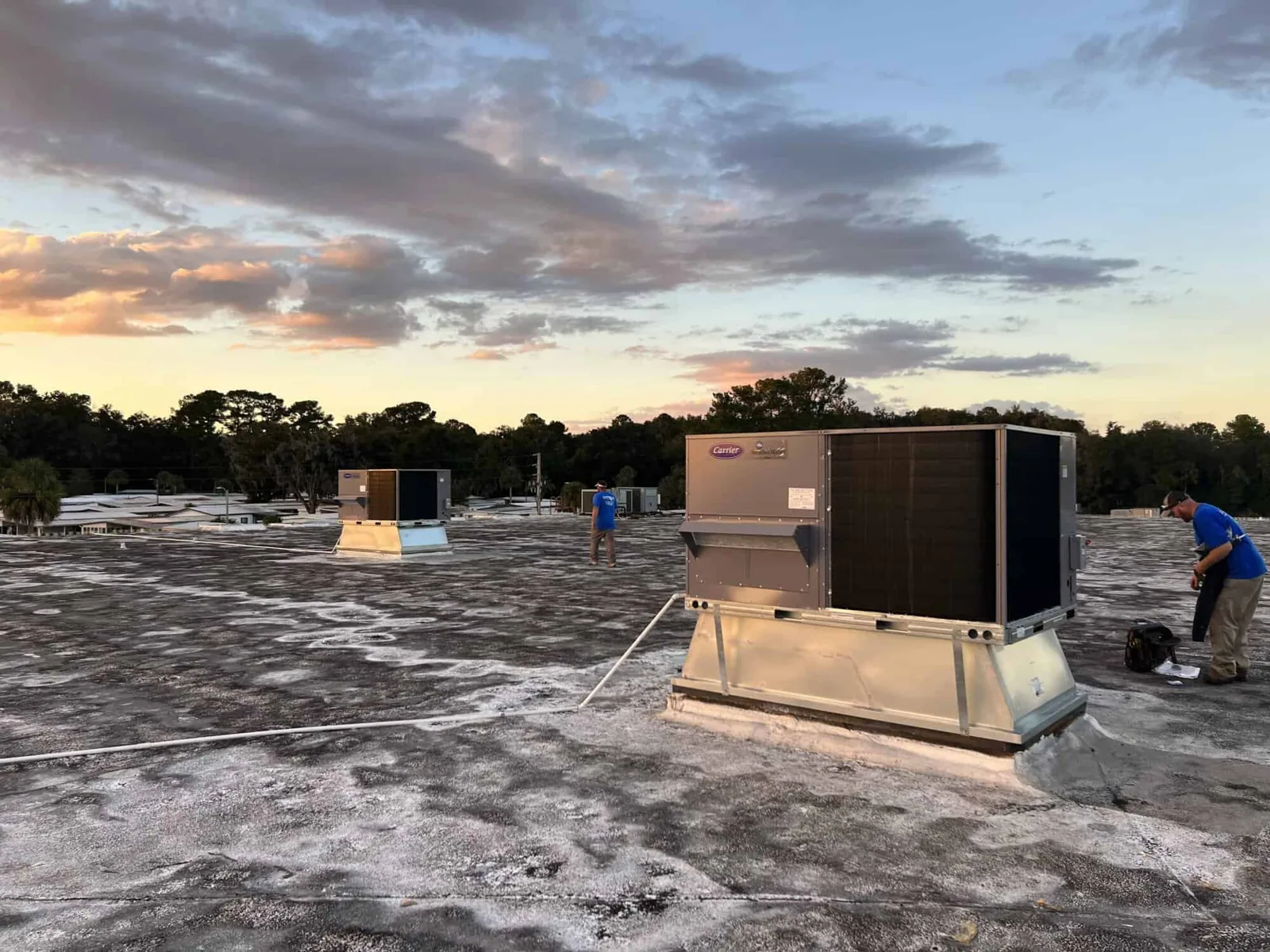
Water entry at a curb or penetration needs a different repair from a split seam or a failed wall termination. We photograph the detail, identify the material, and show how far the repair extends. If rooftop equipment is involved, the property team confirms whether a shutdown or mechanical trade must be scheduled. A curb and support inspection can clarify the coordination line before installation begins.
Keep Loading and Tenant Routes Clear
Before mobilization, we confirm roof access, the delivery entrance, lift position, laydown area, and the route debris will take off the property. The work plan identifies any fire lane, pedestrian path, dock approach, or tenant entrance that must remain open. For a distribution operation, a short closure can affect more than one shift, so we agree on the start and stop window with the site contact. The Plano roof review also begins with its own building and access record. A Frisco North-Platinum corridor roof review is scoped to its own property.
Replacement work opens a larger area than a spot repair and must be dried in before the crew leaves. We divide the roof into manageable sections and list the noisy work, equipment shutdowns, interior protection, and daily closeout point. If concealed damage appears after removal, the crew protects the opening, records the quantity, and requests written approval before expanding the scope. A phased occupied-building reroof can keep those decisions visible to operations.
Compare a Repair with Replacement
A repair line states the roof section, preparation, material, flashing, attachment, and stopping point. It also notes what remains outside the price, such as concealed insulation or deck conditions. If the visible failure is isolated and surrounding material remains serviceable, a bounded repair may be appropriate. Repeated failures, wet areas beyond the initial opening, or weak attachment can make a larger replacement comparison useful. We show the evidence, quantities, and assumptions for each option. A defined commercial roof repair and a replacement scope remain separate choices, not combined totals.
Timing and cost move with roof height, layers, access, disposal, insulation, edge conditions, and how much work must be done around operating hours. If a test opening is needed, the proposal says where it goes and how it will be restored.
Leave a Record for the Next Visit
At closeout, we return dated photographs, section labels, materials installed, repair locations, and any condition that remains unresolved. The property contact can keep that record beside roof plans, access instructions, and equipment notes. A planned return can test outlet paths, perimeter details, penetrations, and previously treated areas before another service call is needed.
The Colony’s municipal setting and the wider DFW market bring varied operating needs, but the building record governs each recommendation. A condition at one commercial property does not establish the roof condition at another. For an active leak, share the affected area, operating hours, and access contact. For capital planning, include the last inspection and any repair history. We will set the first check, protect the roof opening, and return a repair or replacement line tied to the observed condition.
Commercial Roofing Questions
Can roof work happen during active warehouse shifts?
We confirm dock activity, truck routes, occupied hours, and the work area with the site contact before scheduling. The daily plan shows where materials arrive, how the crew reaches the roof, and which access routes remain open. If a lift or debris path conflicts with an operating window, we set a different sequence before mobilization.
What does Live Oak Logistics Park tell you about a particular roof?
It provides planning context for emerging warehousing and distribution in The Colony, not a description of one property’s assembly or condition. We inspect the building in front of us, record roof details and access limits, then tie any recommendation to that evidence.
How should we handle a leak that appears after a spring storm?
Protect equipment or occupied space below and tell us when the water began, where it appears, and what roof access is available. We document visible impact and trace the water path. Regional storm activity does not set the repair scope; the roof section, test results, and approval boundary do.
When is a replacement comparison more useful than another patch?
We compare broader work when failures recur, testing finds moisture beyond a small repair area, or the attachment and transitions no longer support a durable local repair. The report separates confirmed work from concealed conditions and lists the approval needed before quantities change.