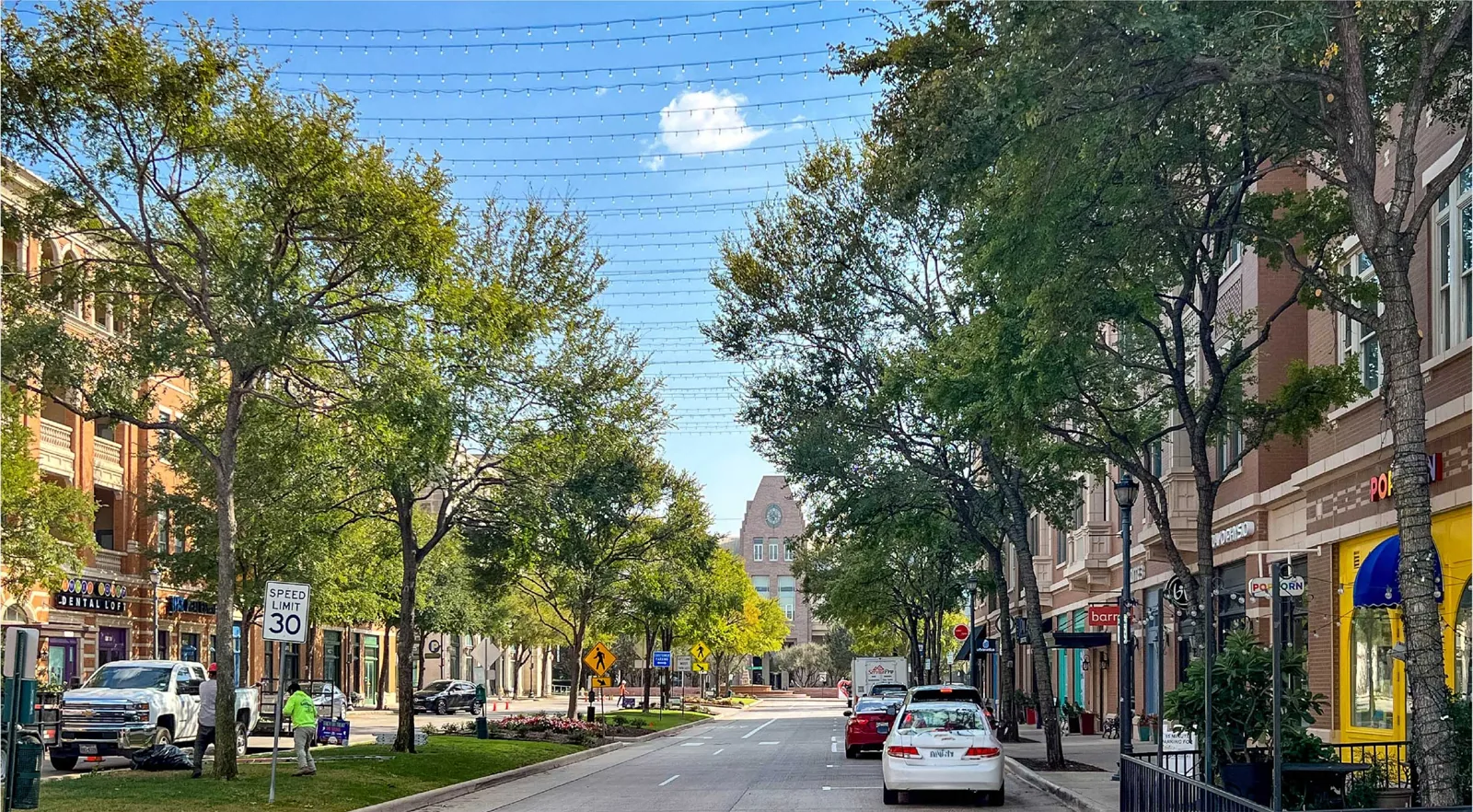
After a roof fire or nearby fire event, the visible burn area may be only one part of the condition. Heat can affect membrane, insulation, deck, fasteners, rooftop equipment, and interior finishes in different ways. Smoke or suppression water can also create a separate cleanup question. We begin after the fire department has cleared the area and the owner has established safe access. The roof is not entered if its stability, edge conditions, or access remain uncertain. Our inspection records what can be seen, what needs a qualified structural or environmental review, and which areas should stay closed. Frisco's North Platinum Corridor contains broad corporate and mixed-use development, while the Frisco Rail District includes historic commercial buildings and active reinvestment. Neither location determines a building's construction or fire condition. We verify each roof and its operating constraints. A roof inspection in the Rail District still needs a property-specific repair boundary.
Confirm Clearance before Roof Entry
We coordinate with the owner, facility contact, and responding authorities before anyone approaches a damaged roof. If firefighters, inspectors, or a structural professional have restricted access, that direction controls the work window. We do not test a softened deck or move debris to reach a membrane before the area is cleared. The site contact identifies the safe entrance, fall-protection requirements, equipment shutdowns, and any interior zones that remain unavailable. When the roof needs a structural assessment, we identify that step and keep roofing work on hold until the condition is understood.
This boundary also keeps early repair pricing honest. We can describe an observed burn edge or membrane opening, but concealed deck condition may require a separate inspection. The proposal distinguishes emergency weather protection, debris handling, cleaning, testing, and permanent restoration. If active water remains after suppression or rainfall, our emergency roof repair service can coordinate a temporary measure once access is approved. The owner receives a list of areas protected and limitations of the temporary work. No short-term cover is described as a permanent roof restoration or as evidence that hidden damage has been resolved.
Map Heat, Flame, Smoke, and Suppression Effects
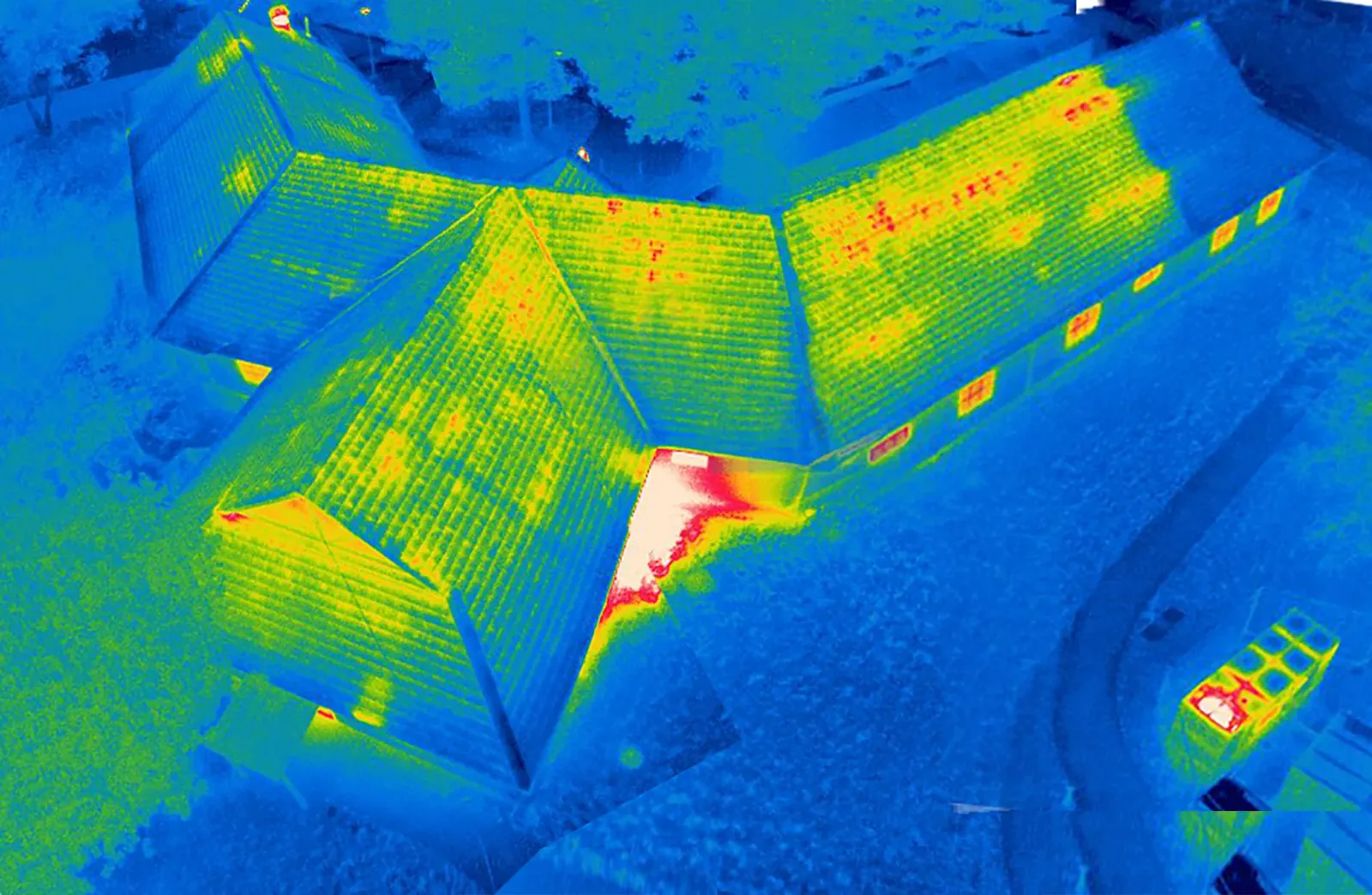
Once access is safe, we divide the roof into observable areas rather than treating the incident as one uniform repair. The field record notes membrane discoloration, blistering, loss of bond, openings, displaced surfacing, damaged edge details, and conditions around curbs or penetrations. We also note where water or debris traveled and whether the interior report aligns with the roof-side observations. Smoke residue and fire-related contaminants may require evaluation by an appropriate remediation professional. That decision is separate from membrane repair.
North Platinum's business-park mix can include office, warehouse, distribution, or showroom uses when zoning and truck routes permit. That context helps us ask about deliveries, but a fire assessment still starts with the materials exposed at the property. After safe entry, we compare the burned zone with nearby unaffected areas and distinguish smoke deposit, suppression water, and direct heat effects. The roof map marks each observed change instead of extending a repair boundary by assumption. If the event loosened a wall termination, a flashing failure review can scope that detail apart from the fire-affected section.
Keep Weather Out while the Scope Is Confirmed
Fire can leave an opening where water enters, but the safest temporary approach depends on debris, heat damage, roof slope, and the assembly below. We secure a cleared area using a method suited to the surface and expected conditions. The plan defines the boundary, inspection interval, access limits, and person authorized to call for a change. If the deck or insulation is exposed, we avoid loading that area until its capacity is understood. The owner sees what remains vulnerable and what must be evaluated before a permanent repair can be priced.
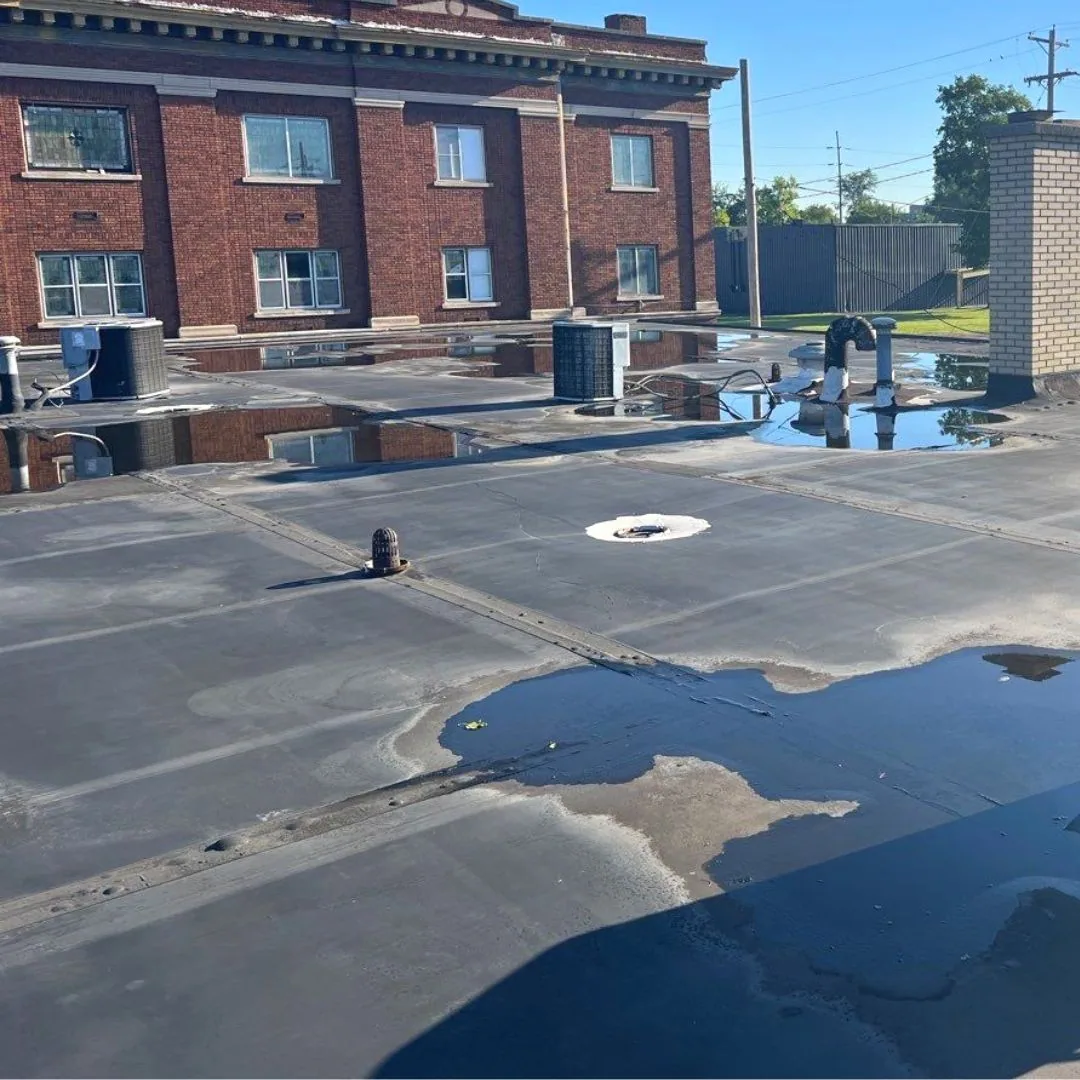
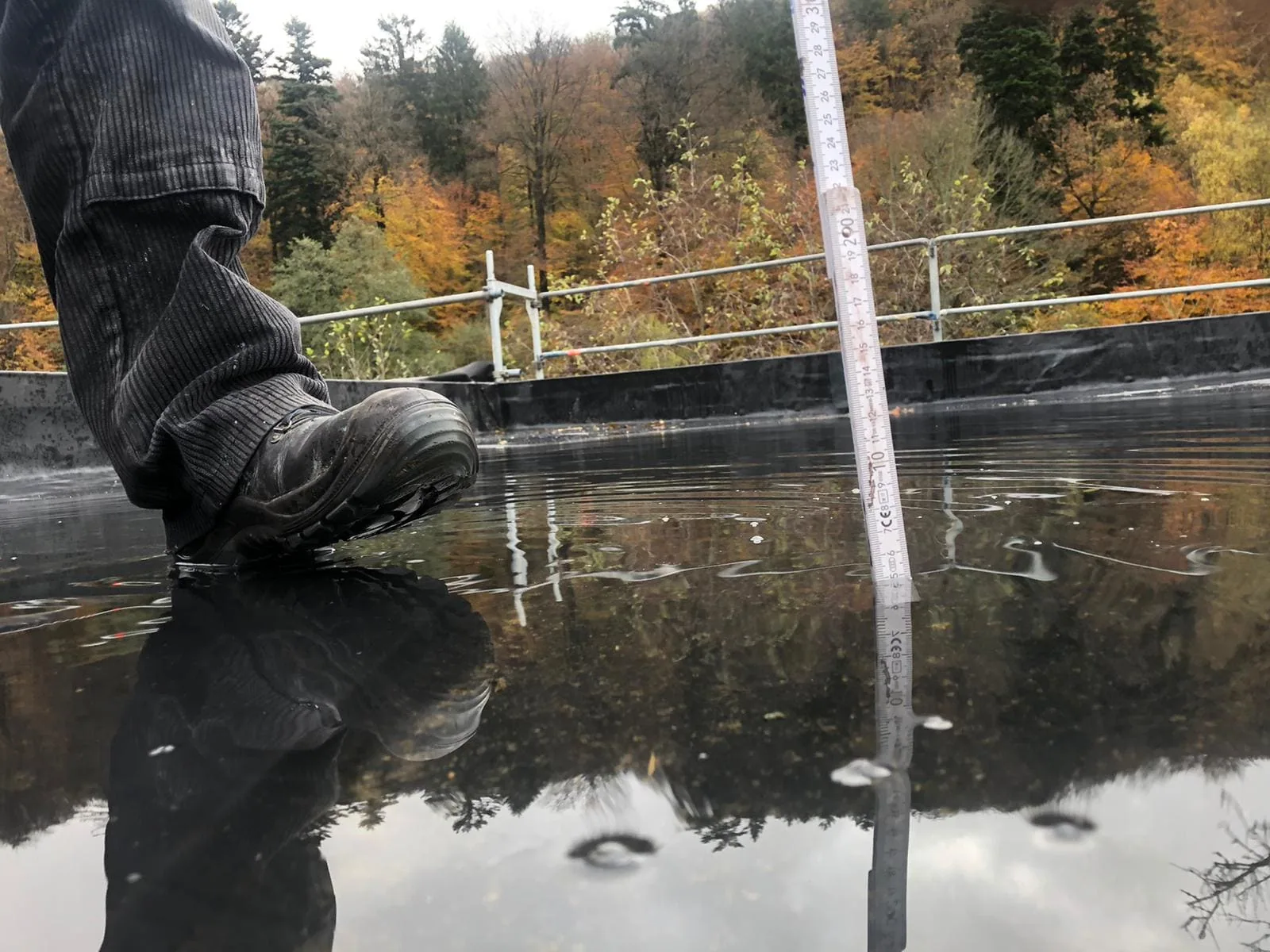
After suppression, standing water can obscure damage and add weight. We coordinate any removal with the site contact and avoid moving wet or suspect debris into occupied areas. If moisture extends beyond the apparent opening, a moisture survey may help locate follow-up areas when conditions allow; test openings may still be required. A ponding-water assessment addresses drainage conditions separately from fire restoration. That separation helps the owner understand whether a proposed action protects the opening, removes wet material, or corrects an independent drainage problem.
Build a Measured Repair and Replacement Comparison
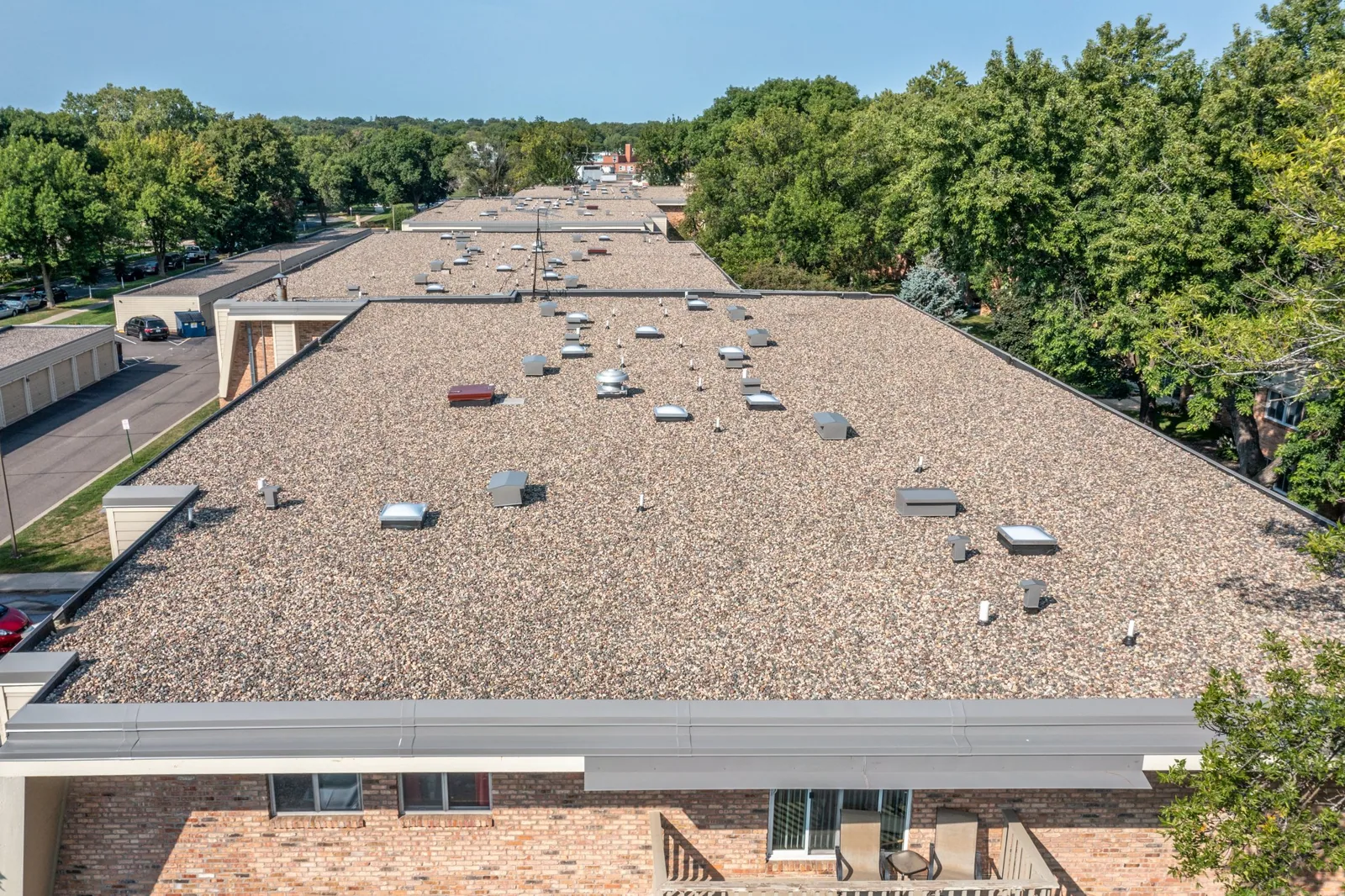
We identify whether repair can stop at a defined roof section or whether heat has affected a larger continuous area. The scope lists removal limits, substrate checks, insulation replacement if confirmed, membrane preparation, tie-in details, and protection during installation. Where the assembly cannot be identified, we state what record, test, or manufacturer-compatible review is needed. A new surface layer over charred, wet, or unstable material does not correct those underlying conditions. The owner reviews each additional quantity before work crosses the approved boundary.
A downtown storefront with tenant hours may need a different staging window than a larger North Platinum property, though neither district predicts the roof condition. The site contact confirms the approved truck route, lift position, and occupied hours before work is priced. We keep emergency protection, confirmed roof repair, and any capital comparison in separate scopes. A commercial replacement option lists its own quantities, access needs, and sequence; the occupied-building plan shows how phases affect active space. The owner can compare each decision without combining the cost or schedule of one with another.
Document the Restored Area and Open Questions
At closeout, the owner receives a roof sketch, dated photographs, repair limits, material details, and the result of any authorized substrate check. We note whether the work addressed only membrane and insulation or included separately approved edge, curb, or drainage details. Any condition not opened or tested remains identified as unknown. If smoke cleanup, structural evaluation, or interior restoration was outside our scope, the report says so plainly. This helps property staff coordinate the remaining work without assuming a roofing repair resolved every fire-related concern.
A maintenance file can preserve the incident location for future inspections and warranty conversations. The roof condition report records observed conditions and next steps. Longer-term budgeting can compare verified roof sections and timing after stabilization. The building's address in Frisco does not itself establish local code requirements; we confirm the applicable jurisdiction and project requirements with the owner before work. Each record distinguishes observed damage, tested material, completed repair, and unresolved question.
Commercial Roofing Questions
Can a roofer inspect immediately after a fire?
Only after the responding authority and owner confirm safe access. A roof deck or support may be compromised even when the membrane looks intact. We wait for clearance and any required structural review before entering or moving debris.
Does a darkened membrane always need replacement?
Discoloration alone does not define the repair. We map visible heat effects, check bond and substrate where safe, and identify any testing needed. The scope follows the confirmed boundary and assembly rather than color alone.
Can you cover an opening while the full repair is planned?
A temporary weather measure may be possible after access and surface conditions are cleared. We define its limits, inspection interval, and remaining exposure. Temporary protection does not establish that hidden materials are dry or structurally sound.
Who handles smoke or suppression-water contamination?
That can require a remediation or environmental professional beyond membrane repair. We document roof-side observations and coordinate the roofing boundary with the owner. Any separate cleanup or disposal decision is identified before it is added to the roofing scope.
Will the estimate include replacement as well as repair?
When the mapped damage supports a useful comparison, we can price defined repair and replacement scopes separately. Emergency stabilization, testing, and any broader roof work remain distinct lines so the owner can decide each step with clear limits.