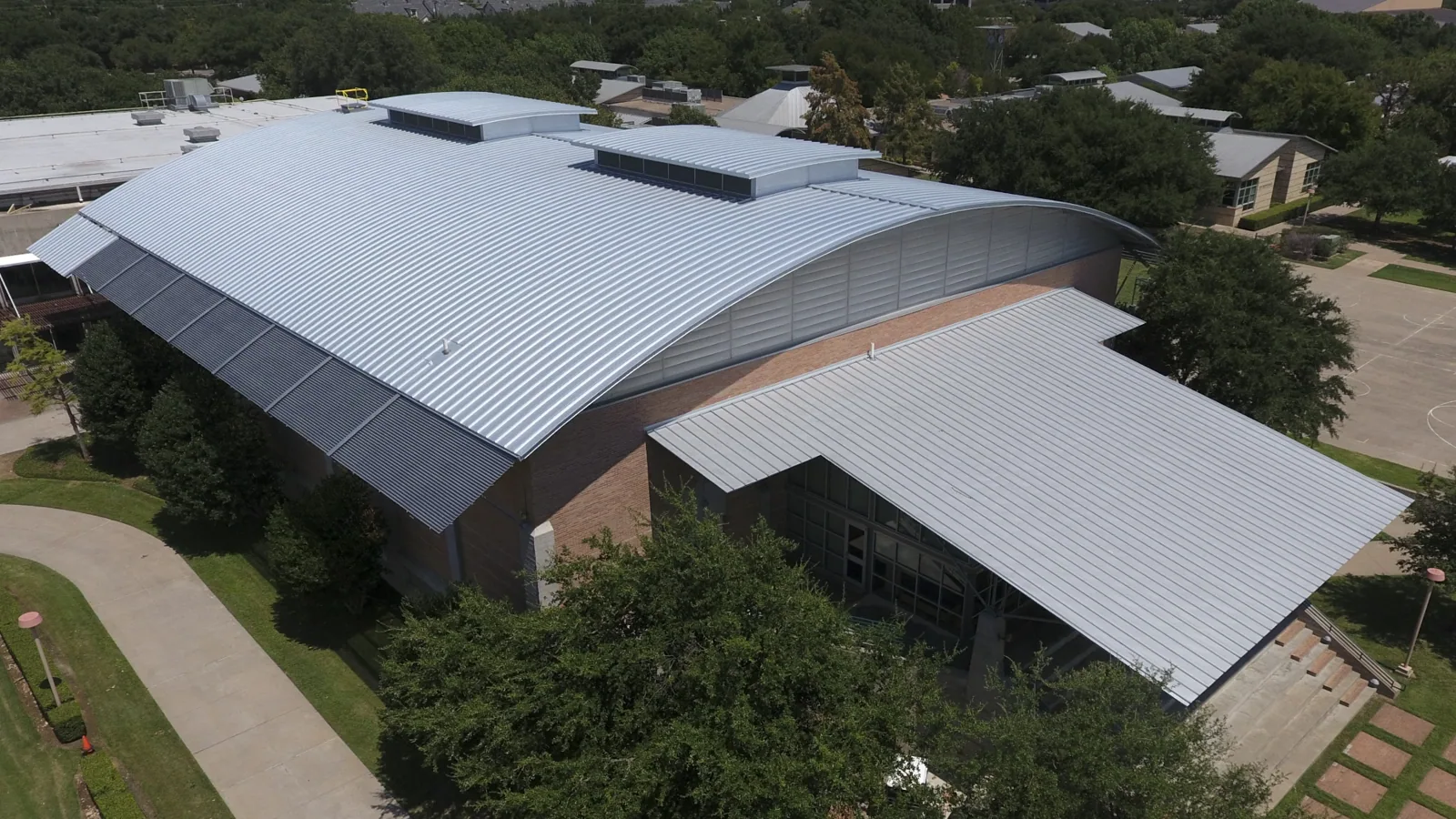
After a tornado alert or confirmed impact, a property manager may be handling roof damage and building restrictions at the same time. We confirm with the site contact which areas emergency responders have released before approaching an edge or debris field. The first walk maps visible tears, displaced coping, loose rooftop items, interior water reports, and rooms needing protection. Spring is DFW's wettest severe-weather period, and tornadoes, hail, or damaging winds occur somewhere in the Metroplex in nearly every year. That does not establish a strike at a Frisco address. The Frisco Rail District storefronts and North Platinum Corridor properties may have different occupancy rules, so the owner defines doors, loading areas, and restricted zones for each visit. A property in the North Platinum Corridor may have a different entry plan from a downtown storefront; an emergency repair response addresses an approved temporary measure or confirmed opening. We separate immediate dry-in from testing, permanent repairs, and any later replacement comparison. If debris, structural concern, or electrical hazards remain, roof access waits for clearance from the responsible authority.
Inside the building, we ask staff to mark which ceiling tiles, equipment rooms, or work areas changed after the event. On the roof, a path of loose fasteners or membrane may stop before a room stain appears. We note any gap between those observations and identify what would close it, such as a safe lift, an authorized test cut, or a structural review. The first work order remains limited to the condition approved by the owner; later repairs follow only when the access and inspection record support them.
Coordinate Access around Storm Hazards
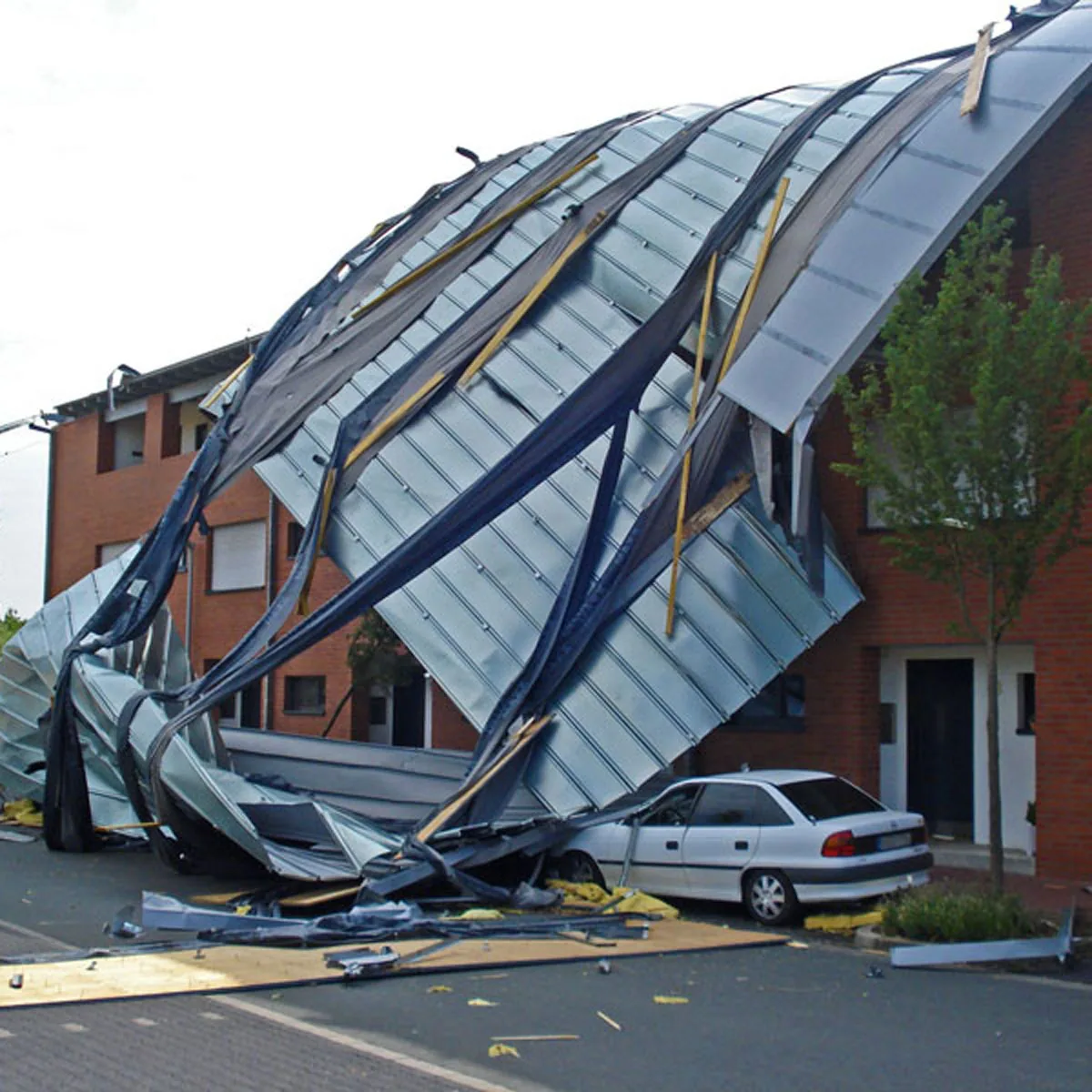
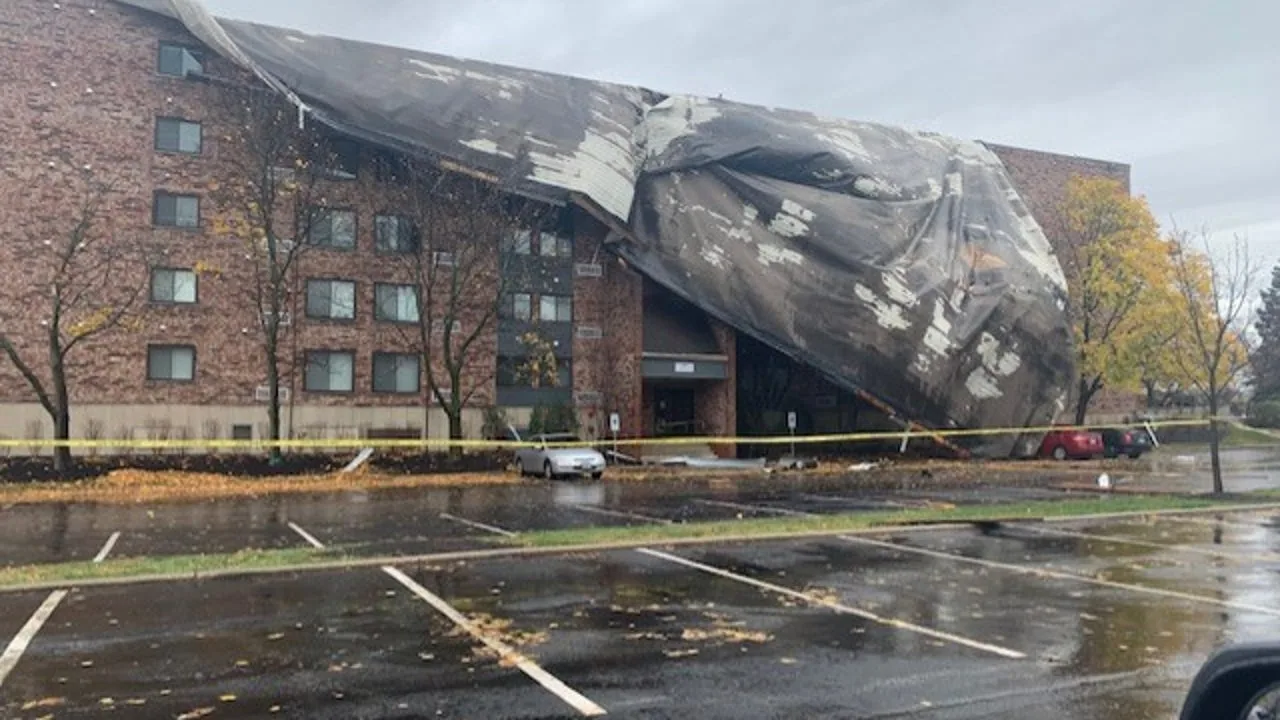
Storm debris, wet surfaces, displaced equipment, and damaged parapets can make the usual roof route unsafe. We ask the property contact whether authorities have restricted access and whether electrical, structural, or fire hazards remain. A roof is not entered until the owner confirms the route and any needed professional clearance. If wind has removed a panel or exposed deck, we avoid walking the area until its support is understood. The crew uses the agreed entrance and fall-protection plan, documents inaccessible zones, and returns when conditions permit.
At ground level, the site team can identify interior water, critical inventory, and rooms that need temporary protection. We establish who can authorize access and communicate a changed boundary before any additional work. A quick visual from the parking area cannot verify concealed attachment or wet insulation. When conditions are still changing, the owner receives a staged plan: make safe, protect an opening, inspect cleared sections, and then price permanent repair. The follow-up record distinguishes inspected and inaccessible areas.
Map Openings, Edge Movement, and Water Entry
We organize the roof into sections and record membrane tears, separated laps, damaged flashing, displaced edge metal, impact marks, and debris location. For a metal roof, we note panel movement and attachment areas that require close review. On a membrane assembly, we document openings, exposed reinforcement, and nearby transitions. Photographs include roof features that help another reviewer locate each item. We compare roof findings with ceiling reports and equipment alarms, but we do not assume every interior symptom came from the most visible storm mark.
Frisco's business-park plan allows office, warehouse, distribution, and showroom uses where zoning and designated truck routes support them. That framework may make an operations contact relevant, but it reveals nothing about a roof's storm condition. We map each roof section and separate confirmed openings from marks needing review. A wind damage repair assessment can address uplift or attachment evidence; a hail impact review records surface or metal effects. The estimate keeps each observed condition within its own boundary.
Protect Open Areas while the Roof Is Evaluated
Temporary weather protection is selected only after the area is safe and the membrane or deck can accept the measure. We define the protected footprint, how it will be checked, who can authorize adjustment, and what remains exposed. A temporary cover is not represented as a permanent repair, especially where attachment or substrate is unknown. If debris must be moved, the plan addresses safe handling and disposal before it crosses occupied space.
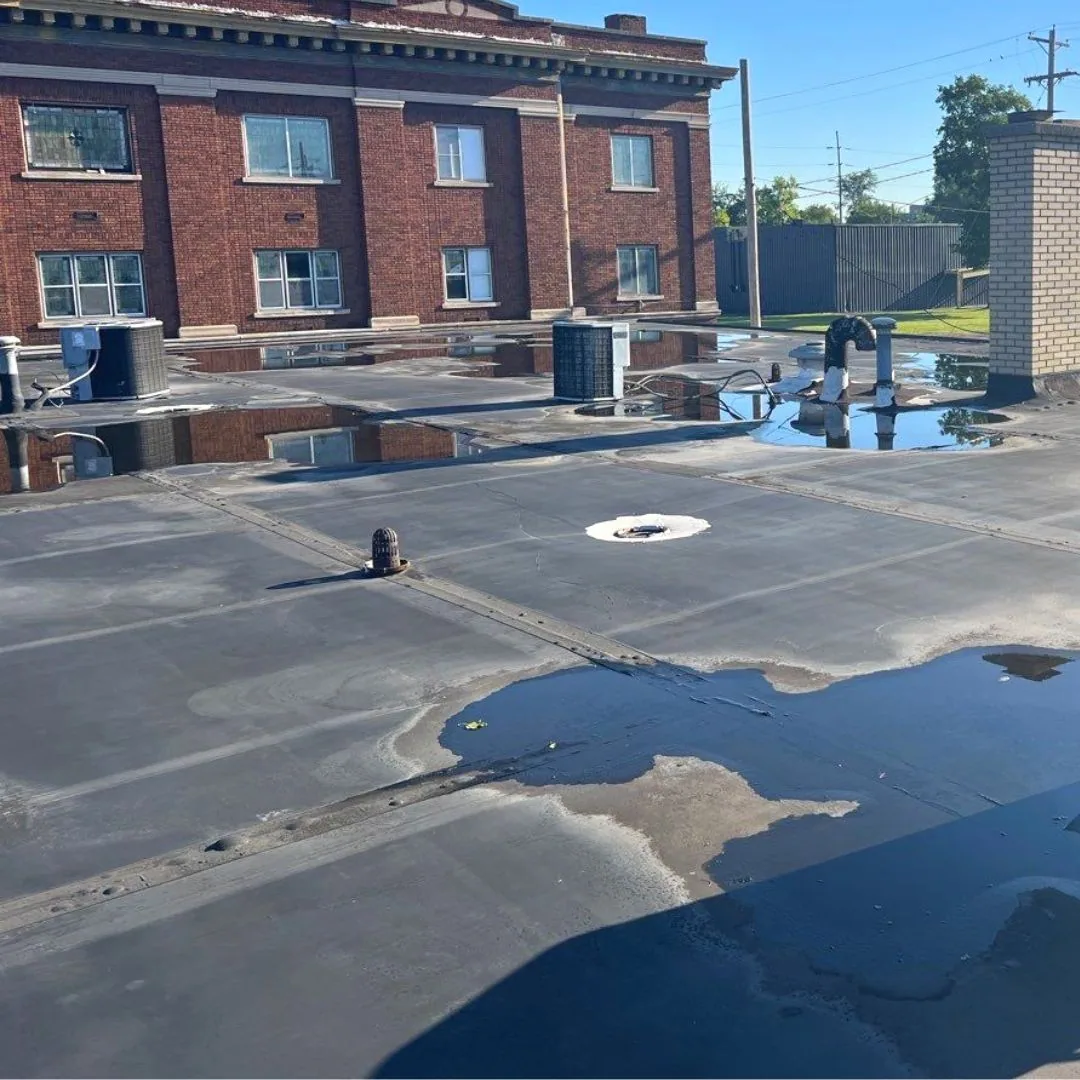
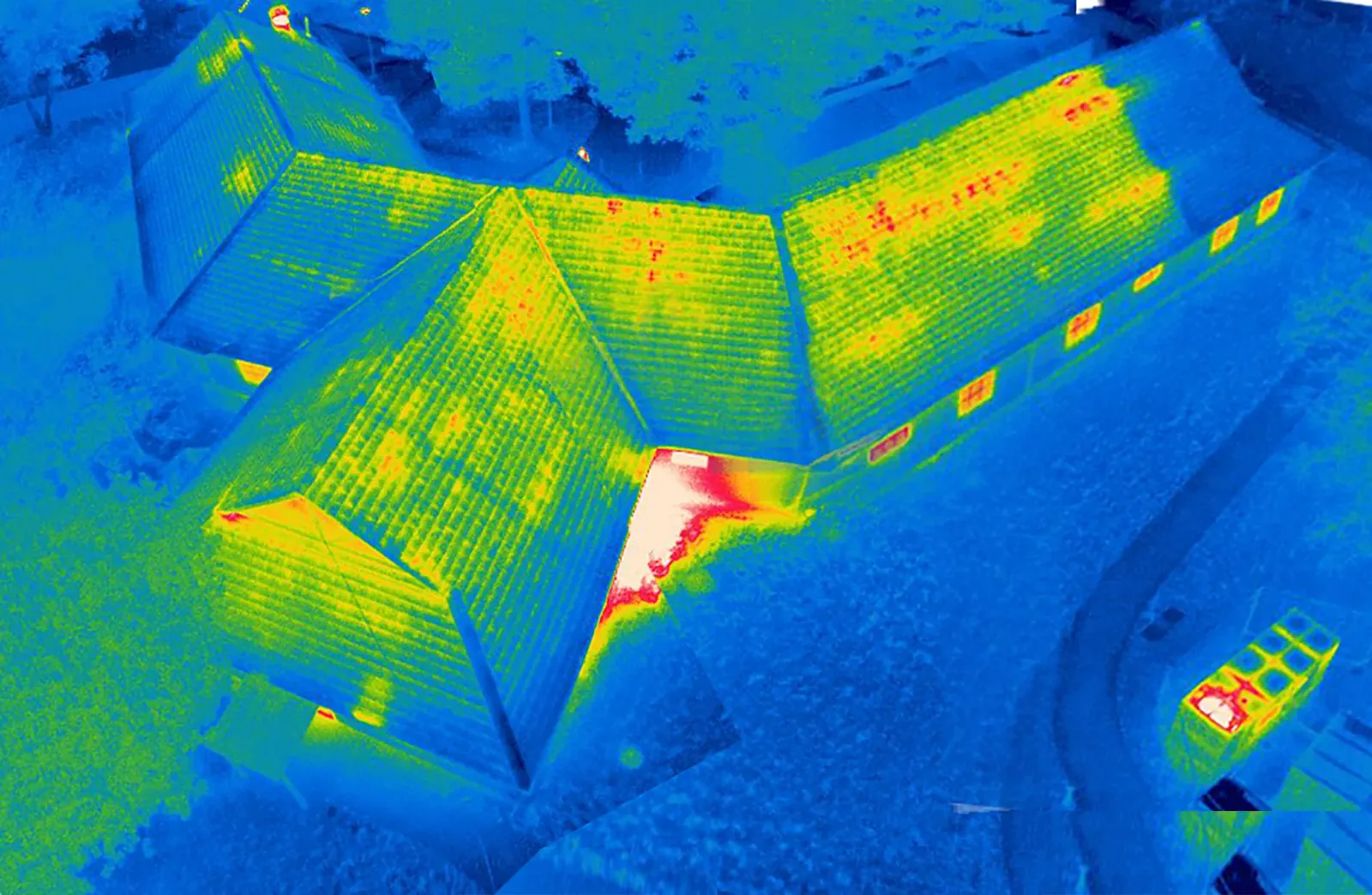
May's DFW precipitation normal is 4.78 inches, while the 1991 to 2020 annual average is 37.01 inches. That climate record does not forecast rain at this building or show how far water moved beneath its membrane. We coordinate interior protection with the opened roof area and note whether an authorized test is needed before removing insulation. An infrared moisture survey may help select follow-up locations when conditions support one. If the roof also has a persistent low point, we assess drainage separately from wind or impact openings.
Separate Immediate Stabilization from Permanent Work
Once the affected roof sections are safe to inspect, we identify what can be repaired locally and what needs testing or a broader comparison. The scope lists removal limits, deck checks, insulation work if confirmed, membrane or metal restoration, edge details, and cleanup. Where the assembly is unclear, we state the record or test needed before selecting materials. The owner can see which line addresses water exclusion and which corrects a confirmed underlying condition.
In the Downtown Rail District, storefront access and business hours may shape staging; a North Platinum office or warehouse property may have different security and loading procedures. Those contexts help ask the right questions, but the contact confirms each route and schedule. If multiple sections show damage, a commercial replacement comparison may be priced separately from localized repair. For continuing operations, an occupied-building sequence can set notices and work zones. We also document a split lap through a seam repair review when the inspection supports that additional scope. The owner approves each boundary before the crew proceeds beyond the initial protection.
Leave the Property Team a Clear Recovery Record
After repair, we provide a dated roof sketch, photos, sections inspected, materials used, and any substrate check authorized. The closeout identifies where temporary protection was removed, what remains open, and which conditions were not accessed or tested. If electrical, structural, interior, or debris-remediation work was performed by another professional, that boundary is recorded instead of implied as part of the roofing repair.
Dallas Parkway and US 380 are major mobility routes, but the building team sets the actual delivery entrance, truck limits, and staging location. We place those access details beside the roof map and photos so another visit can return to the same section. A roof condition report separates completed stabilization, permanent repairs, and questions awaiting access or another professional. That gives the owner a recovery file linked to specific observations, not an unscoped list of storm concerns.
Commercial Roofing Questions
Should the roofing crew enter immediately after a tornado?
Only after the owner and responding authorities confirm a safe route. Structural, electrical, fire, and falling-debris hazards may remain. We document areas that cannot be entered and return when the property is cleared.
Can a temporary cover be installed before all damage is known?
It may be possible after the surface and attachment area are safe. We mark the protection boundary and list what remains unknown. Testing and permanent repair are separate decisions when concealed conditions could change the scope.
How do you distinguish wind, hail, and tornado effects?
We document observable roof conditions and compare them with the incident information provided. The inspection does not assume a cause from one mark. If another assessment is needed for structural, electrical, or claim questions, we identify that boundary clearly.
Will the report cover inaccessible roof areas?
The record lists sections reached and areas withheld for safety. A ground observation is not substituted for a roof inspection. Any later access visit is documented as a separate inspection point.
Can repair and replacement both be priced?
When the mapped condition supports a useful comparison, we can list localized repair and replacement options separately. Temporary protection, testing, and confirmed restoration remain distinct lines for owner review.