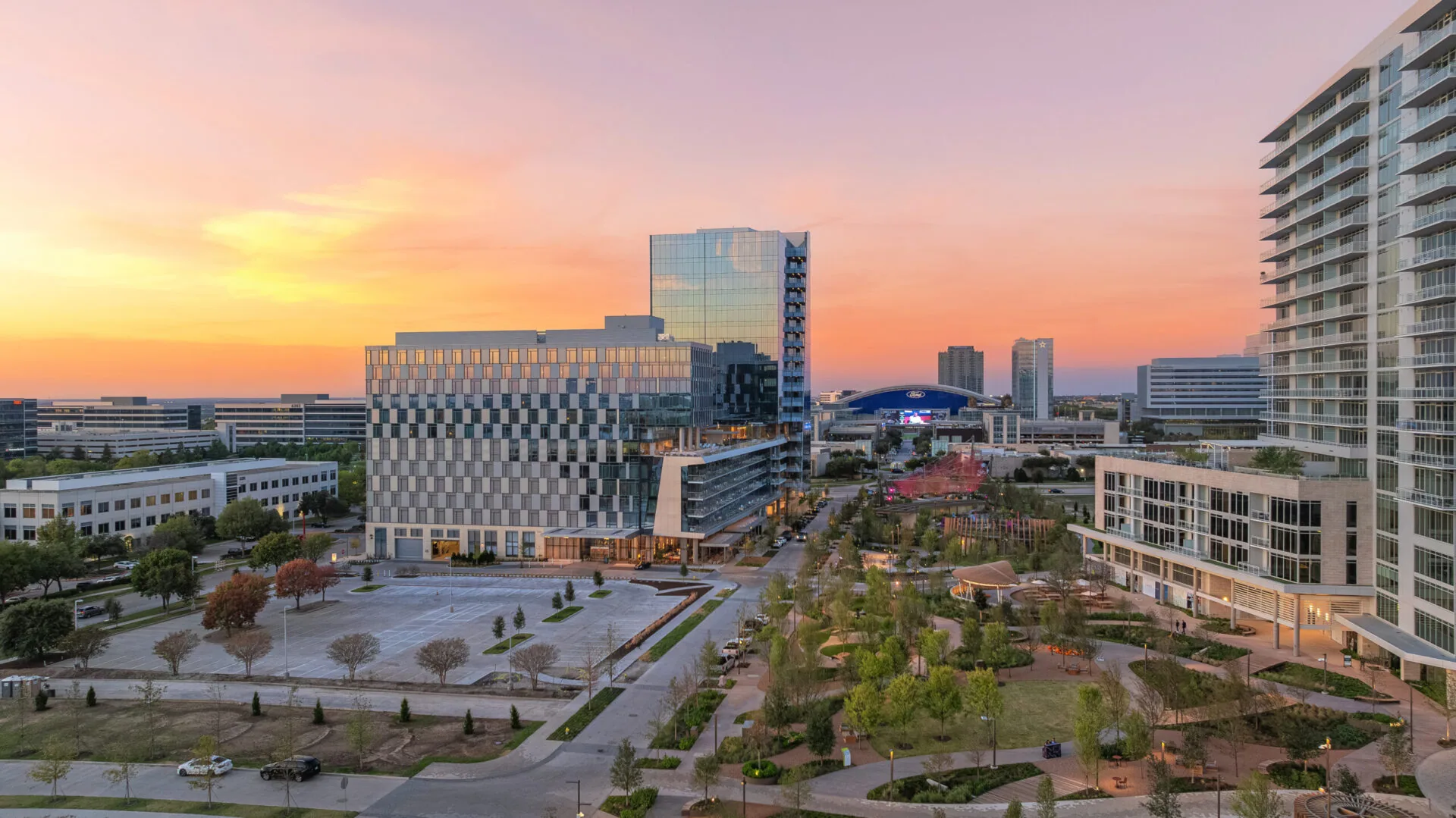
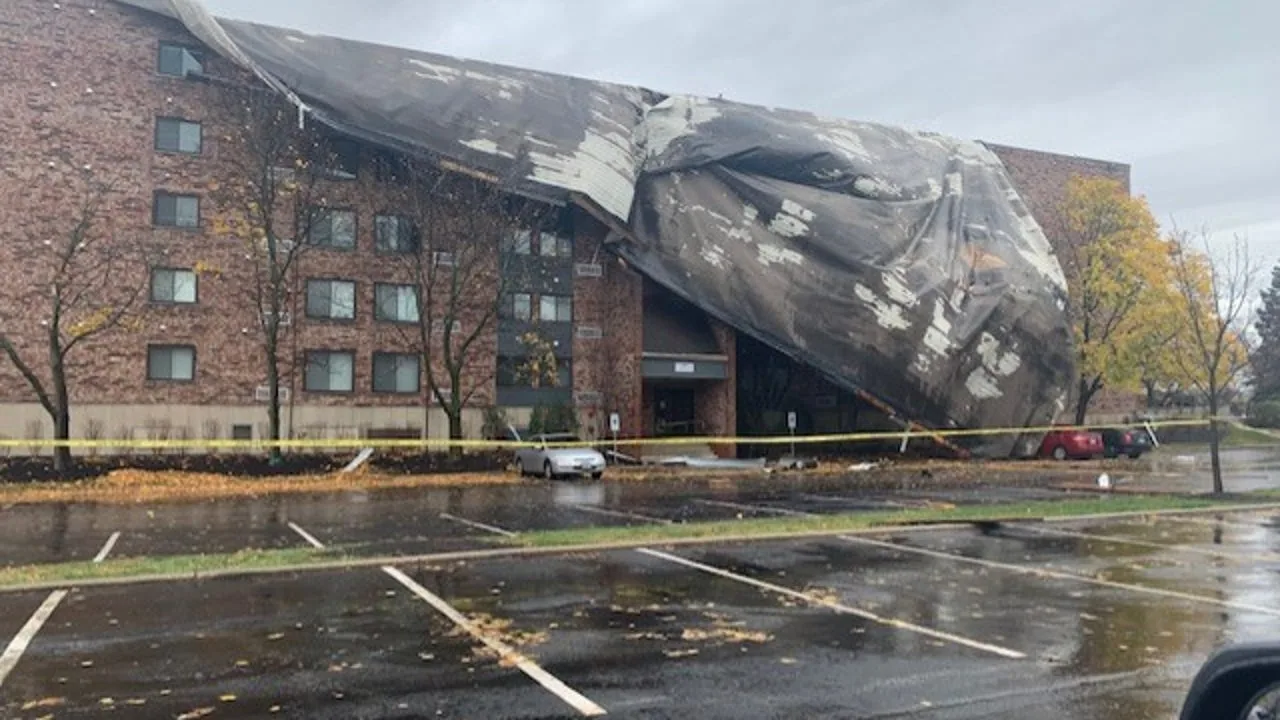
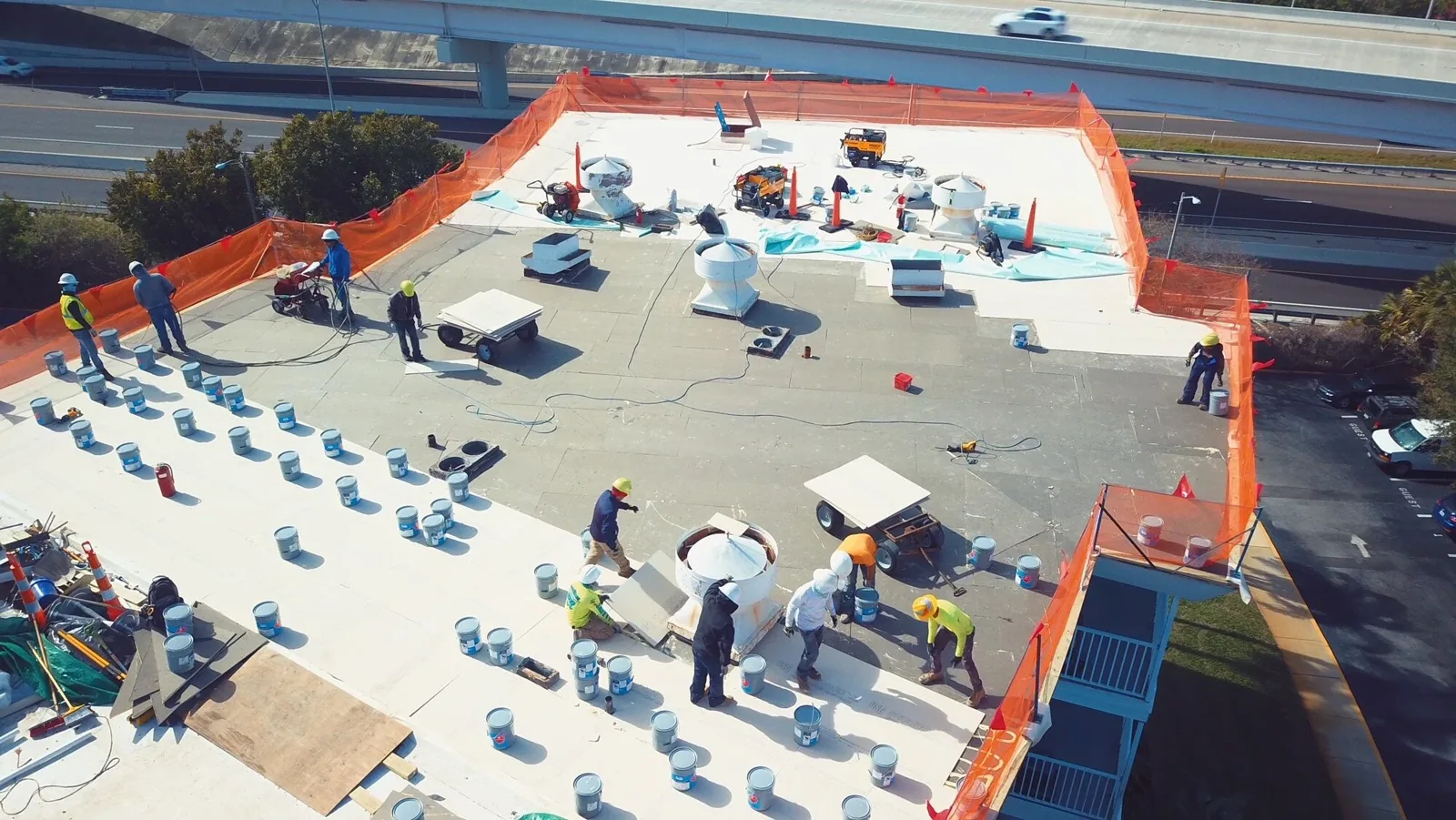
A ceiling leak near a guest room or event space can affect the day's bookings before a permanent repair is scoped. We protect the room, trace the water path, and define the roof section that needs attention. Frisco's North Platinum Corridor combines broad corporate and mixed-use development, while downtown and the Rail District have different commercial blocks and access patterns. That mix can change a hotel's staging route, public hours, or guest notice, but it does not establish the hotel's roof assembly. We inspect the actual seams, curbs, drains, and wall transitions. A Dallas Parkway-area roof visit begins with the affected guest or service area and the next safe work window.
Protect Occupied Rooms before Opening the Roof
The first report should identify the room, active water, and whether guests or staff need a temporary move. We cover the interior area, protect furnishings and electronics, then work from the water mark to roof details above it. The leak may travel along framing or a duct before reaching the ceiling, so we photograph the path and inspect nearby seams, drains, penetrations, and flashing. Our after-hours roof response can set protection while the hotel's duty manager preserves room access and service routes.
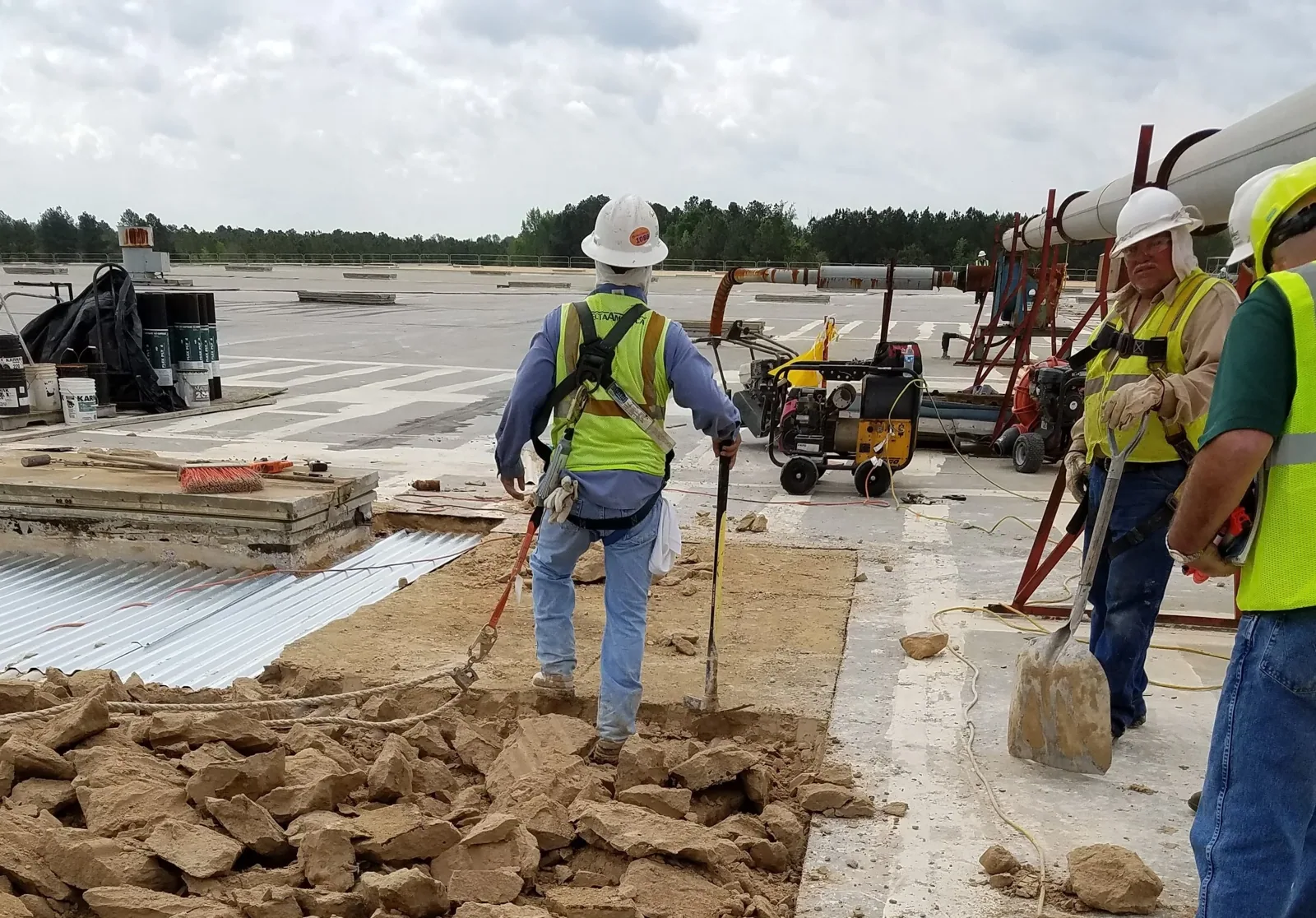
We agree on a guest corridor, service stair, lift, and material path with the property contact before mobilization. A guest entrance or event setup should not share a debris route with the roof crew. The daily plan identifies the restricted area and the time it can reopen. We also confirm whether event setup, laundry, food service, or a guest-room turn depends on that route. A short notice can help the duty manager move service before the crew unloads. We record that contact and the approved alternative entrance with the repair boundary. A leak repair scope sets the work boundary and notes any test needed before the opening is made permanent.
Inspect Rooftop Equipment and Service Details
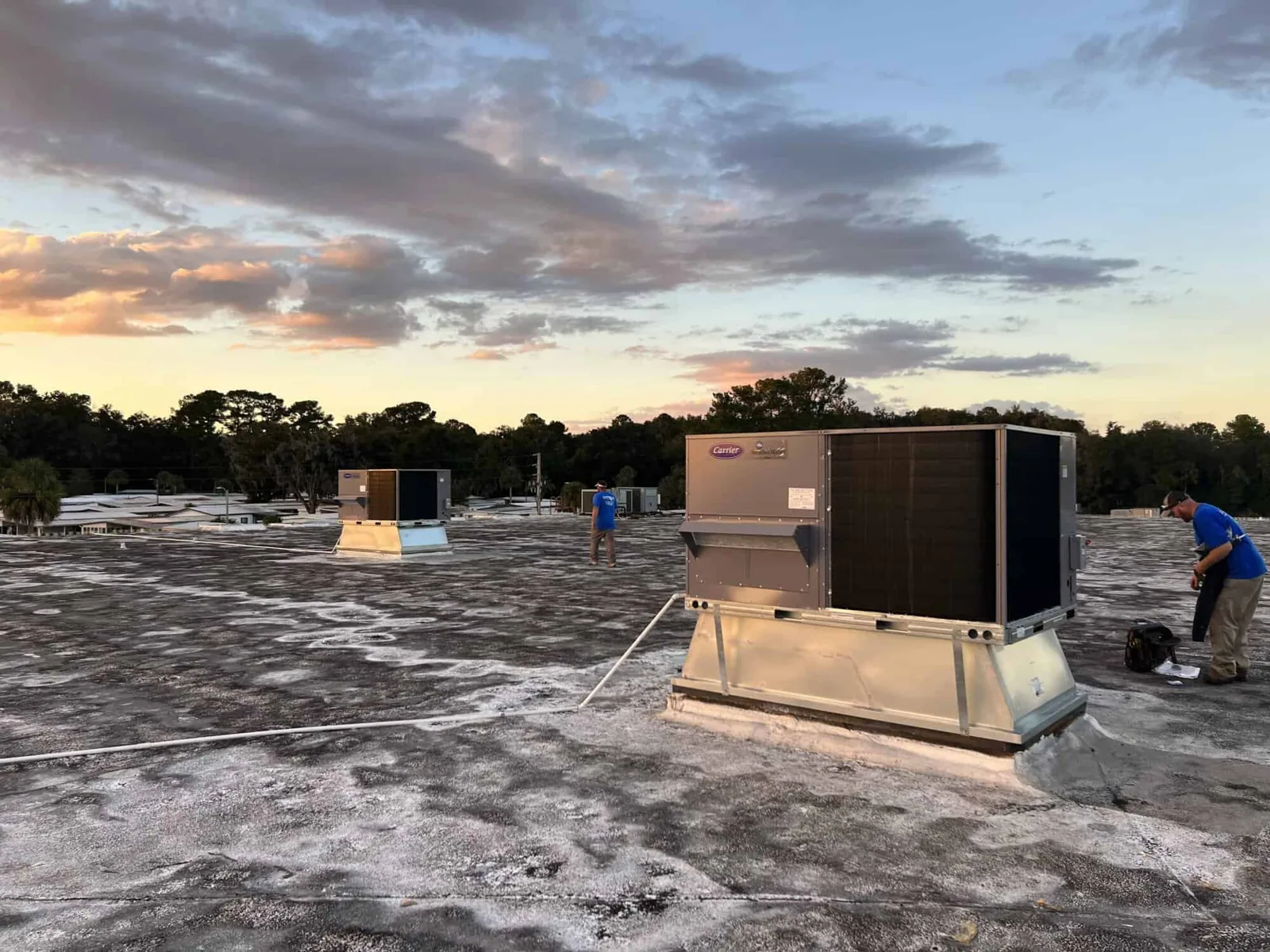
Hotels can have mechanical units, kitchen exhaust, pool equipment, plumbing vents, and service platforms in one roof zone. Each curb or support can interrupt the membrane and needs a secure transition. We check flashing, seams, attachment, drainage, roof access, and previous work without assuming that all areas share the same construction. If another trade has a service call scheduled, we coordinate roof entry and record the route. An equipment curb repair can be listed separately from a membrane replacement or drain correction.
Frisco's North Platinum area includes broad corporate and mixed-use development, while each hotel's roof assembly and guest-access needs remain site-specific. The Rail District also has commercial buildings with different occupied hours and property boundaries. We keep the recommendation tied to the site we inspected. A photo-backed inspection gives the manager a record to share with ownership while keeping guest details out of the roof file.
Use the Weather Record to Set Review Timing
For a hotel, a wet-weather roof check should fit room-turn and event calendars. A leak reported after a storm still needs a property-level inspection before damage is assigned. We compare the report date with roof conditions, interior findings, and the location of any opening before defining a repair.
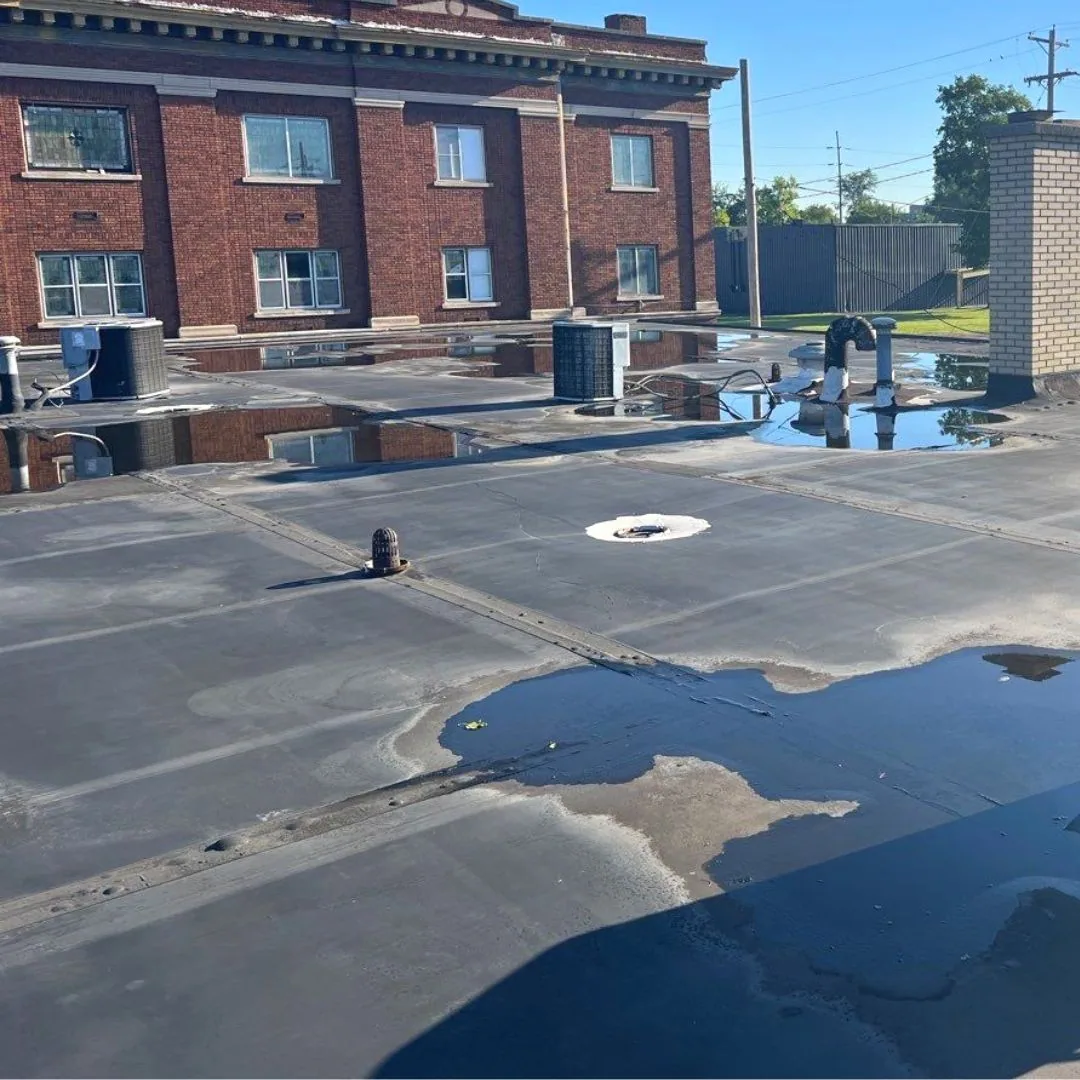
Frisco's normal annual precipitation is 37.01 inches, with May averaging 4.78 inches. Drain bowls, overflow routes, and low areas therefore belong in a documented roof walk, especially where water is reported after rainfall. A drainage review can distinguish debris from a slope or elevation issue. A post-storm check records damage that is visible and keeps an event date separate from a repair conclusion.
Set Guest Notice and Crew Access Together
Roof work can affect outdoor dining, loading, a meeting room, pool access, or a service entrance. We ask the manager which hours are quiet, which areas are occupied, and when an event or delivery changes the route. A regional road name does not tell us where a hotel's service vehicles enter; the property contact confirms the delivery route and approved work zone. The property contact confirms delivery doors, loading windows, lift positions, and required fire access before the crew arrives. For a hotel, verify that carts and housekeeping routes remain clear during guest turnover.
A phased schedule can keep unaffected areas operating if the crew can close each roof section before leaving. If an odor, noise, or overhead activity cannot be separated from an occupied space, the proposal identifies a short relocation or closure window. A guest-aware phased sequence records notice, protection, access, and daily closeout together. The duty manager knows who to call if weather changes the plan. The contact also knows which rooms are under protection and when the crew will report back.
Keep Repair Costs Clear for the Portfolio
The closeout record lists repair locations, materials, photographs, remaining observations, and a recommended next check. Ownership can separate an urgent leak from a recurring maintenance item or a replacement candidate. We do not combine a roof test, drain correction, and replacement into one allowance that hides their purpose. A capital schedule can carry the next spend by section and date. A property manager can keep guest notices and access notes with the work file without changing the technical finding.
Frisco's corporate properties around North Platinum and its downtown commercial area present different coordination questions. The same roof map can still preserve a consistent approval trail. A hospitality asset review can use the evidence for portfolio planning, while a construction closeout file can identify penetrations or other trade work that needs follow-up. The owner receives the repair line, the next decision date, and the limits of the inspection. Guest service staff can then reuse the approved access path for a return visit without reopening the full property schedule.
Commercial Roofing Questions
Can roof repairs happen while guests remain in the building?
A phased boundary may allow normal service if guest rooms, entrances, noise, odors, and crew access can be separated. We review the affected area with the duty manager and identify any room relocation or event change in advance. The crew closes and secures the roof section before moving to another area.
What should a hotel do when a guest reports a ceiling leak?
Protect the room and move the guest if needed, then give us the location, active-water status, and roof-access contact. We can respond at any hour, trace the water path, and record the first-hour protection. The permanent repair remains a separate scope so the property can review cost and access after the room is safe.
How do you keep roof work away from guest and delivery routes?
We plan lift position, material staging, debris removal, and daily access with the property contact. The work boundary identifies a guest entrance, service door, or outdoor area that must remain clear. If a delivery or event overlaps the work window, we adjust the sequence before opening the roof section.
What parts of a hotel roof need extra inspection?
We check mechanical curbs, kitchen exhaust, plumbing penetrations, drains, parapets, roof edges, and prior patches. The selected details depend on the building, not on the hotel's name or category. Photographs tie each finding to the assembly and show where another trade or a test opening may be needed.
Can a regional storm report support a hotel insurance claim?
It can help organize a date, but it does not establish property-level damage. We document visible roof conditions, interior water paths, and repairs by location. The hotel can use those photographs and the work record with its own claim process without turning a regional weather record into a damage conclusion.