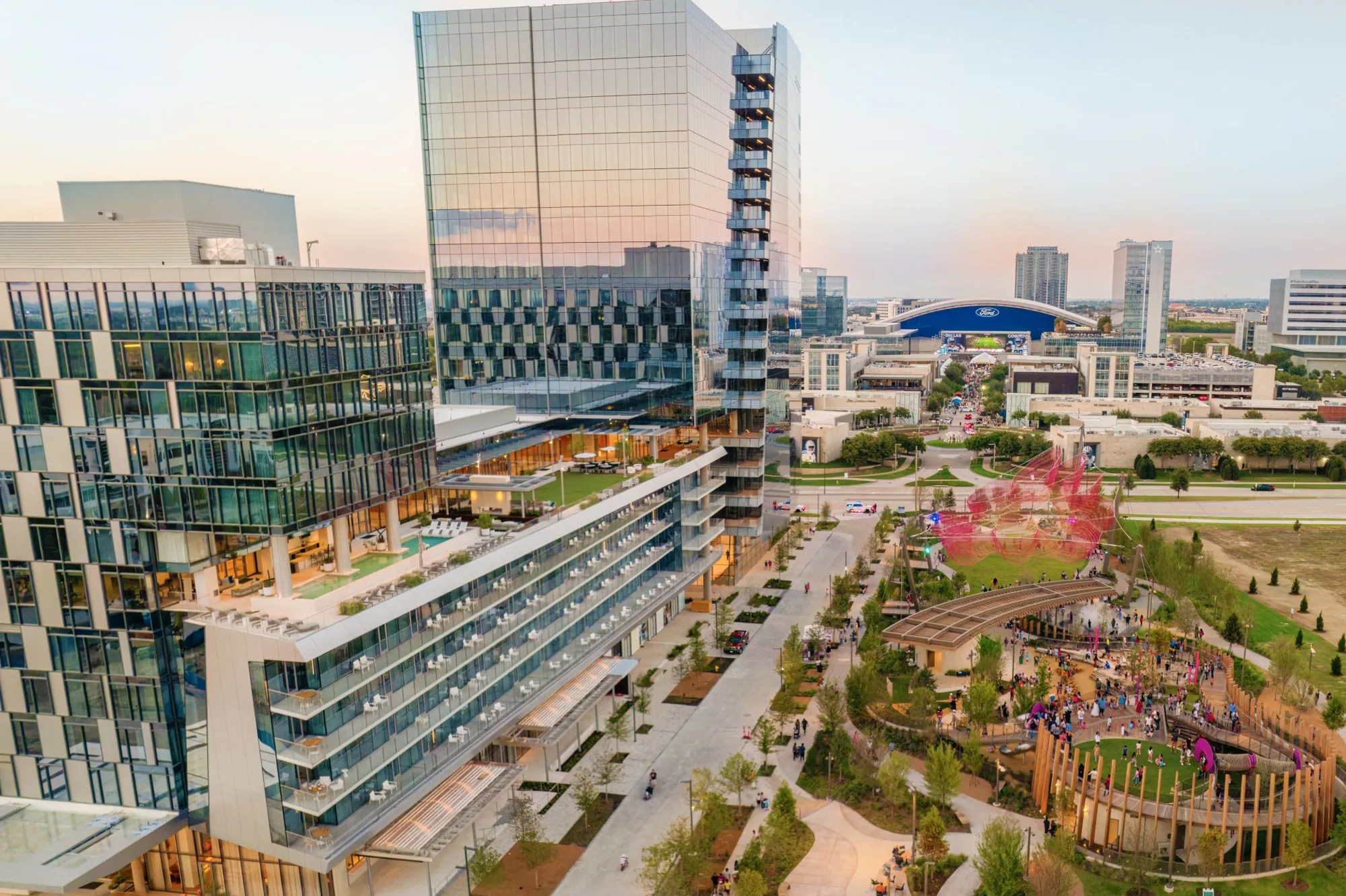
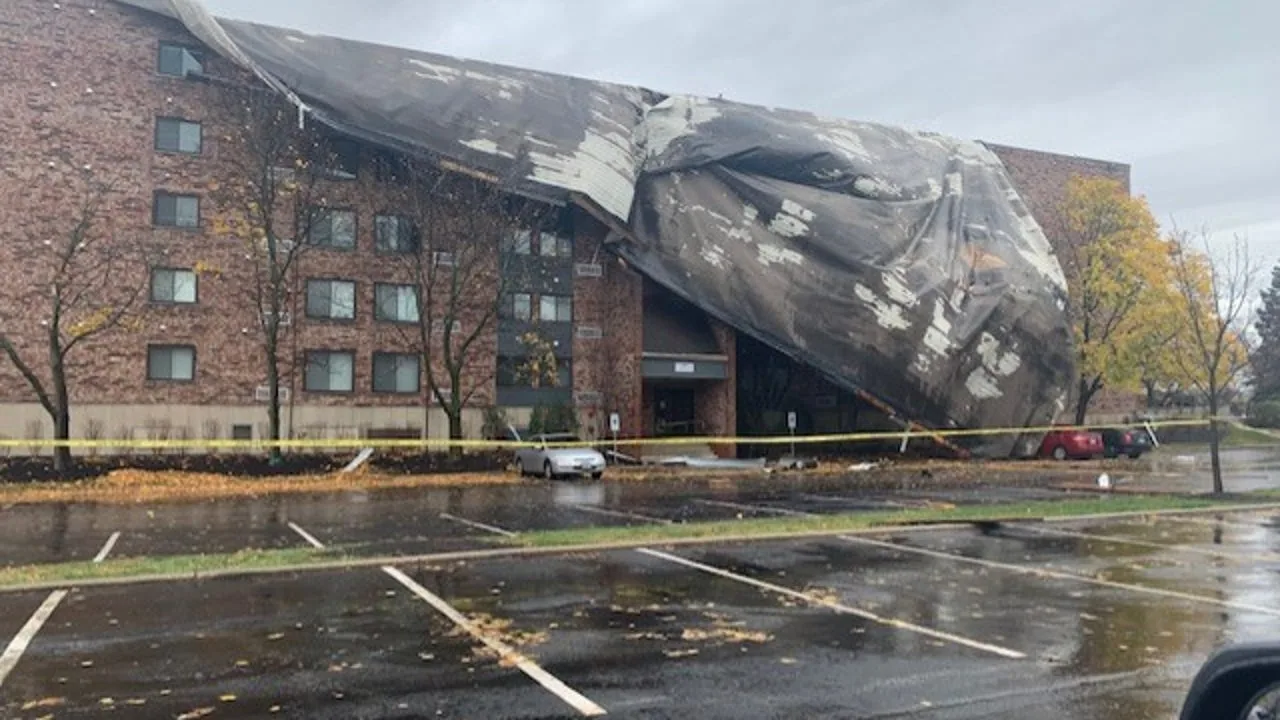
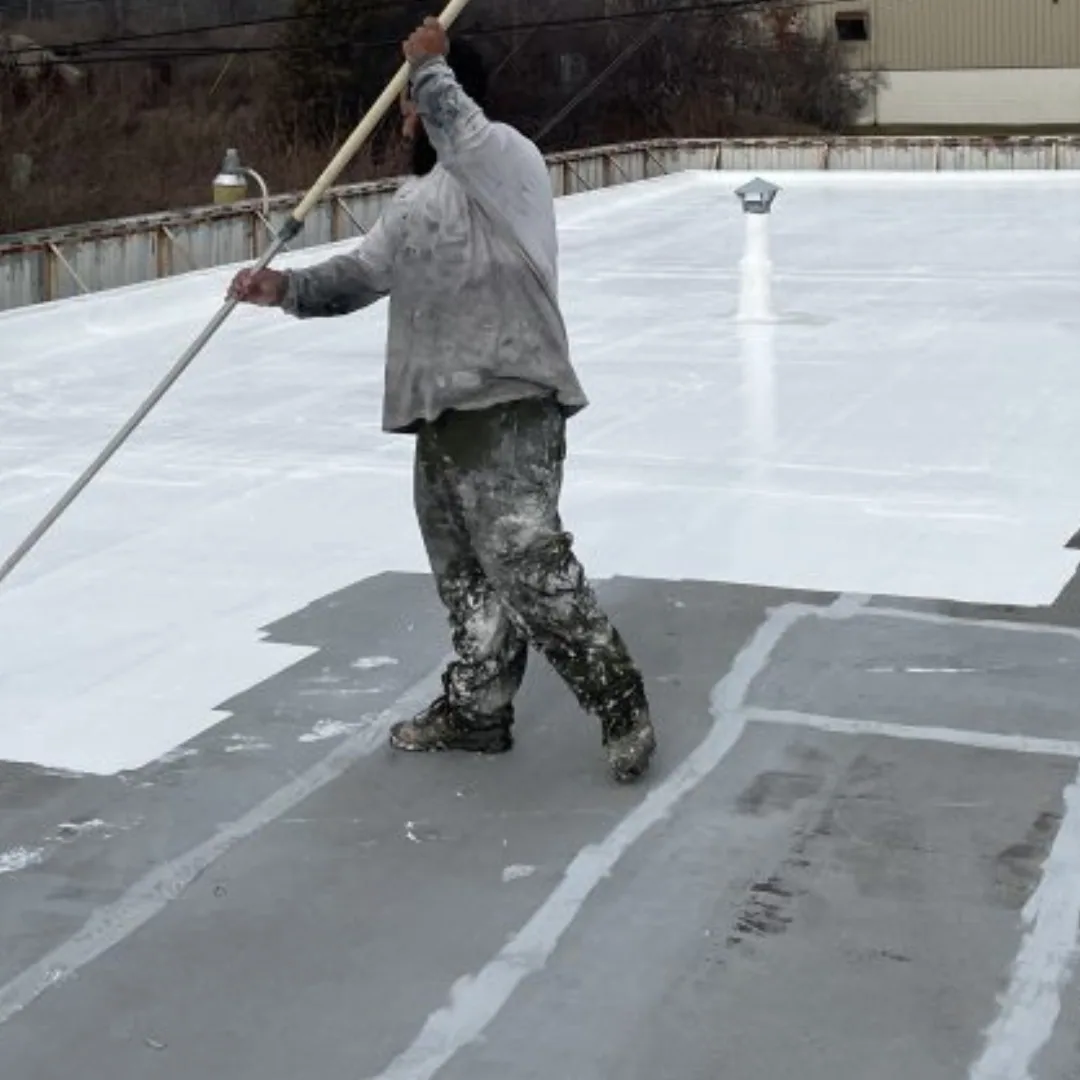
A roof claim begins with a date, an interior report, and a property that still needs protection. We locate the affected section, photograph visible conditions, and separate temporary dry-in from permanent repair. Frisco's North Platinum Corridor is a broad corporate and mixed-use area, while the Rail District has a different downtown building context. These locations can change access and staging questions, but neither implies that a specific property sustained damage. We inspect the roof and interior evidence before assigning a repair line. A North Platinum condition review can return a dated map for the owner, adjuster, and restoration team to discuss.
Protect the Interior and Preserve the First Finding
When water is active, we set temporary protection, identify affected rooms, and record the time and location of the report. That first note can help the owner track when water stopped, what contents were moved, and who authorized access. We then trace the path to seams, drains, curbs, penetrations, and wall transitions. The entry point may sit away from the ceiling mark. An after-hours roof response can make the building safer while the permanent repair scope is still being measured.
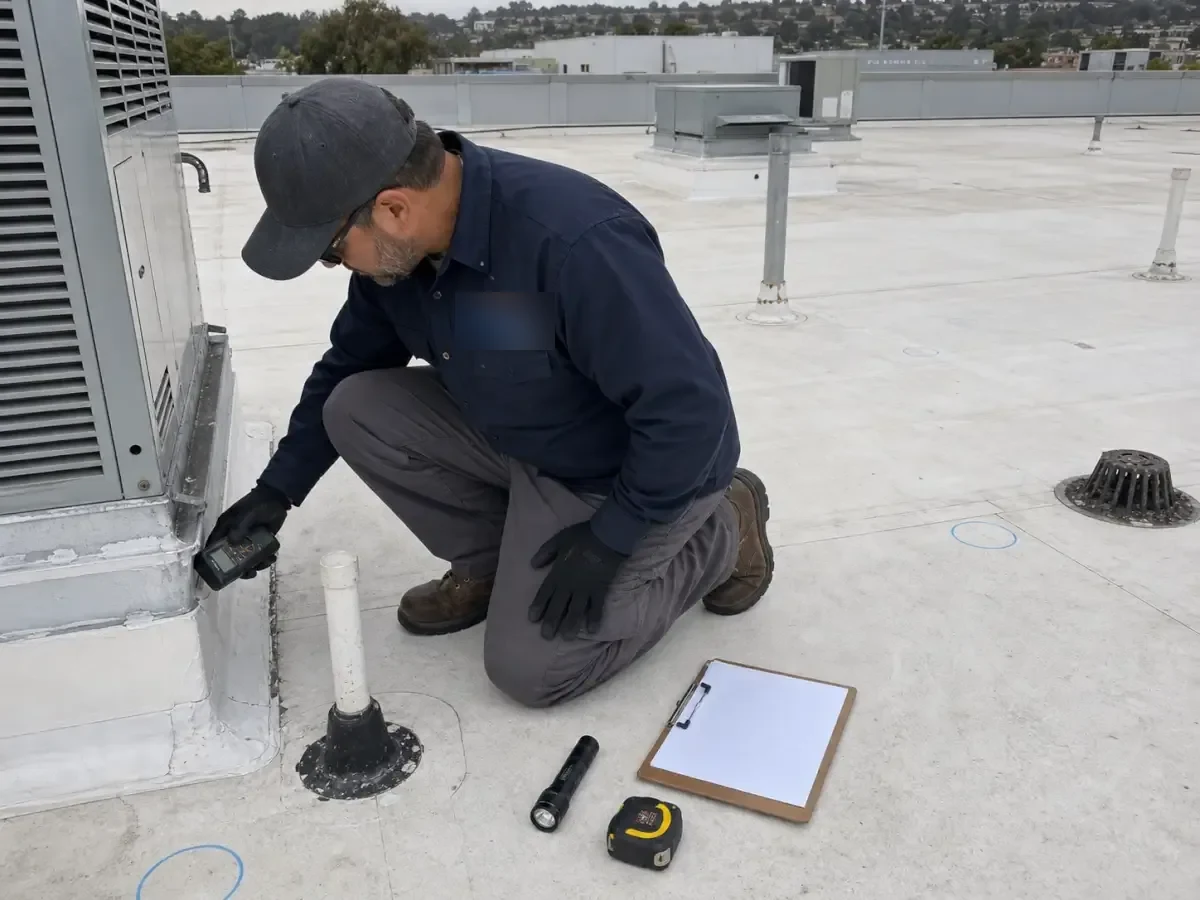
Photographs should show scale, roof section, nearby detail, and any visible opening without implying that an event caused a condition by itself. We label what is observed and what still needs testing. A leak repair scope can distinguish water control from replacement, temporary cover from a permanent patch, and known work from concealed conditions that remain outside the initial approval.
Document the Roof Assembly and Repair Boundary
We identify the visible membrane or metal, seam condition, flashing, drainage, edge metal, penetrations, and prior repairs. Where the system is hidden or the surface prevents a clear finding, we state the limit and recommend a test opening only when it will resolve a scope question. If a roof area is wet below the membrane, the affected section and any measurement belong in the record. That creates a repair boundary the property owner can compare with the estimate, rather than a broad description that cannot be tied to a location.
Frisco's city context includes business-park planning and the downtown Rail District, but each commercial building requires its own inspection. A roof condition visit can document existing details before a restoration contractor or adjuster reviews proposed work. The claim documentation service can compile photographs, dates, and repair scope without promising how a policy or carrier will decide coverage.
Use the Regional Storm Record Carefully
A claim file needs a provenance line before it needs a repair recommendation. We log the event date supplied by the property team, the first interior symptom, and the time of the roof inspection as separate entries. The National Weather Service’s DFW narrative puts spring at the height of the region’s wet and severe weather pattern, while warning that a hazard may occur elsewhere in the Metroplex. That makes a regional report useful for establishing why someone called, not for assigning cause to this address.
July and August climate normals show average highs of 95.6°F and 95.8°F. When a repair must expose the assembly, the project lead sets a safe work window from conditions on the day and records how the roof was secured at close. A post-event inspection can provide dated observations and photographs. The package keeps owner statements, visible findings, temporary protection, and proposed permanent work identifiable, so an adjuster can review each source without treating a regional weather pattern as a site diagnosis.
Price Repair and Restoration as Separate Choices
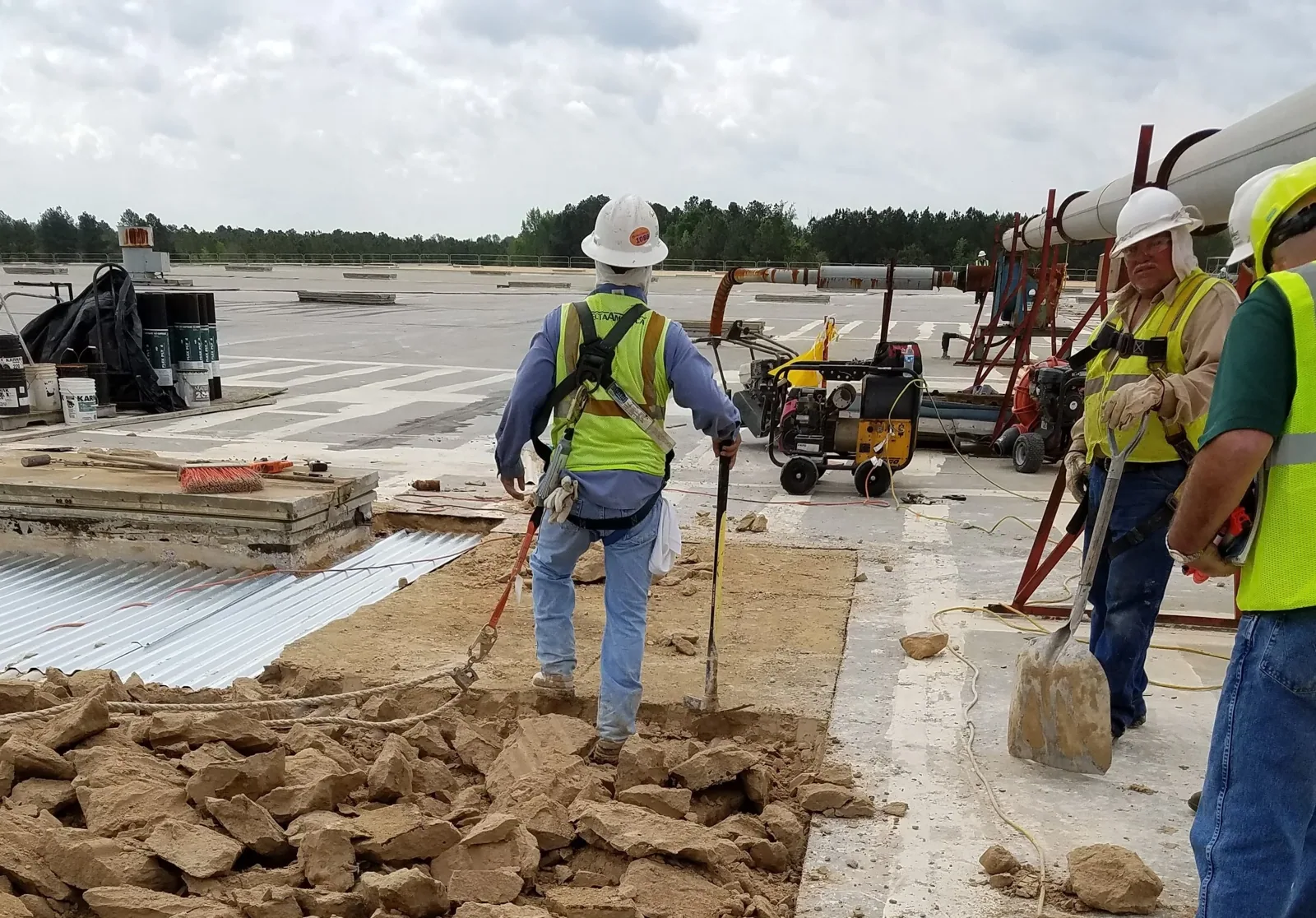
A localized tear, failed flashing, or open seam may need a repair that can be documented and closed promptly. A broader restoration requires an appropriate substrate, dry assembly, compatible preparation, and sound details. Replacement can enter the comparison when wet insulation, attachment, or field deterioration extends beyond a practical repair boundary. We describe the method, materials, area, and assumptions separately, then identify how concealed conditions will be approved. A restoration evaluation does not replace a repair where the substrate is not suitable.
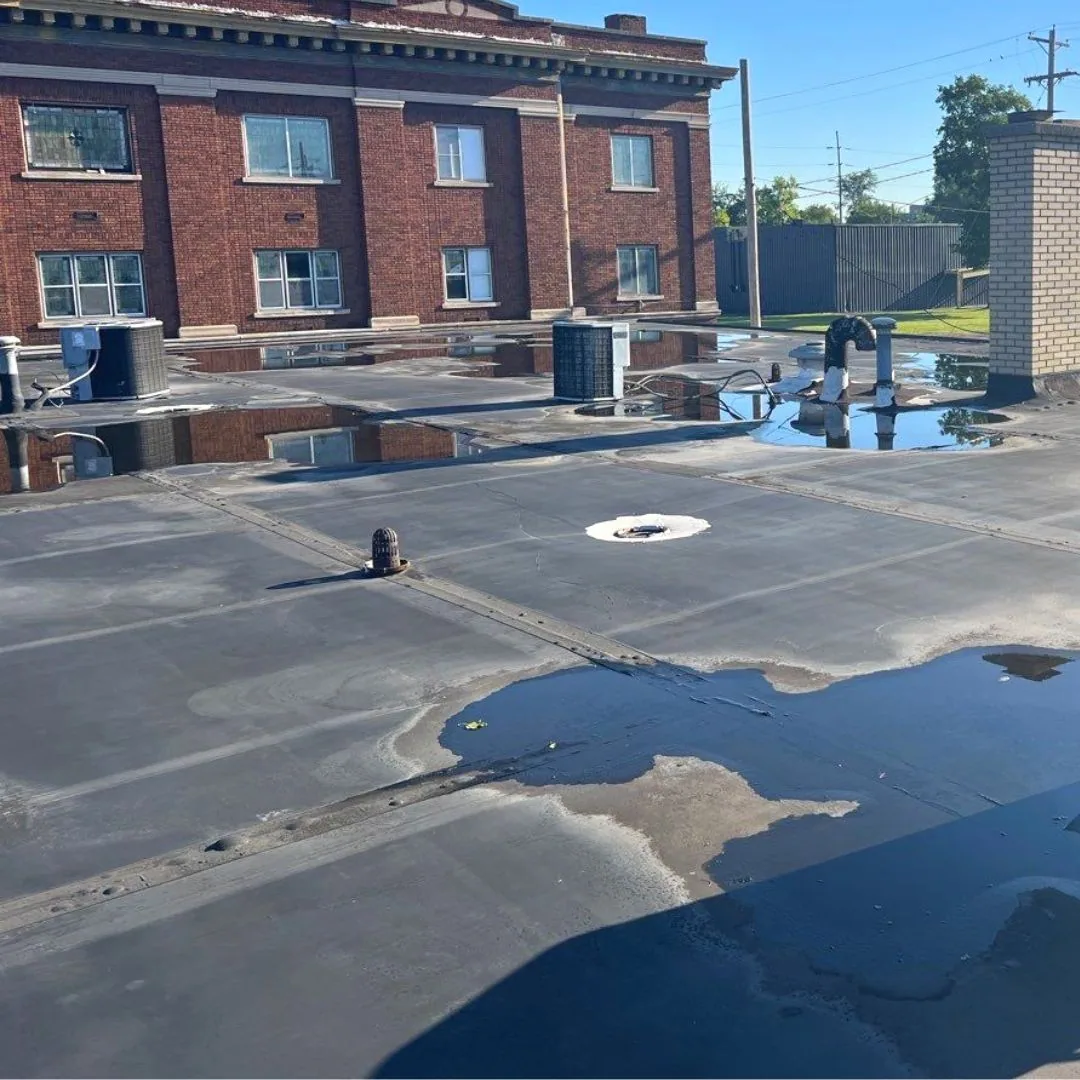
If drain work or edge metal sits outside the reported damage, we list it separately rather than folding it into an incident scope. A drainage review can show whether a restriction is debris, bowl condition, overflow path, or a separate slope question. The owner can then compare what is related to the reported event and what belongs to maintenance or capital planning. For a repair, we state substrate preparation, compatible materials, flashing transitions, and the final edge of the work. If replacement is a separate possibility, the scope identifies removals, insulation, attachment, and disposal instead of blending those costs into the incident line. The adjuster can review quantities and photographs against the same section map.
Give Each Reviewer the Same Dated Record
A clear package includes the property contact, inspection date, photos labeled by roof section, water path, observed condition, temporary work, and proposed permanent repair. If removal reveals a concealed issue, the crew protects the opening and sends a separate approval request with its location and quantity. That record helps an owner, insurer, adjuster, and restoration contractor discuss the same work boundary without confusing an estimate with a coverage decision. A condition report can also support future maintenance or replacement budgeting.
North Platinum and the Rail District offer distinct Frisco access settings, while Dallas Parkway and US 380 shape regional movement. None of these contexts replaces property-level photos or a roof test. A manager's work file can keep notices, keys, and access approval beside the technical record. A restoration coordination plan can document trade scheduling and closeout, leaving the claim decision to the policyholder and carrier. For a portfolio with more than one Frisco property, separate files keep dates and approvals attached to the correct building. We can list a return inspection, the party expected to provide access, and the unresolved question that makes that visit necessary.
Commercial Roofing Questions
What should we document first after a commercial roof leak?
Record when the water appeared, which interior area is affected, whether it remains active, and who authorized access. Protect the area and contact us to trace the roof section. We can return dated photographs and a temporary-protection record before the owner considers permanent repair or a broader claim scope.
Can you tell us whether a roof claim will be covered?
No roofing inspection can decide the policy or carrier's coverage position. We document visible conditions, repair locations, photographs, and work performed. The property owner and carrier use that record with the policy terms and their own review to decide what is covered.
How do you keep an estimate tied to the reported storm?
We record the event date supplied by the property team, inspect the stated roof area, and label the observed condition and photographs by section. The report distinguishes those observations from regional weather context. If a test or removal is needed to identify concealed damage, it appears as a separate approval step.
Should temporary dry-in be included with permanent repairs?
We list the two actions separately. Temporary protection controls active water and secures an opening while the owner reviews permanent work. The repair estimate describes materials, preparation, and the final boundary. If concealed damage changes that line, we document the condition and seek direction before adding work.
What can delay a restoration estimate?
Missing roof records, difficult access, mixed assemblies, wet insulation, or a need to coordinate another trade can leave a scope question open. We identify the specific item and the inspection or approval needed to resolve it. That lets the owner decide whether to proceed with protection, wait for more evidence, or review a separate capital option.