An occupied top-floor unit with active water needs immediate protection and a roof section that management can identify. We record the unit, timing, and interior impact, then coordinate roof access with the property contact before proposing permanent work. Frisco's North Platinum Corridor includes broad multi-building corporate and mixed-use development, while the Rail District and Original Town Commercial District retain a separate downtown commercial context. Those areas do not describe any apartment's structure, age, or roof system. We inspect the actual building and records. The first-hour plan keeps resident protection separate from the repair-versus-replacement decision and gives management a clear notice and approval path.
Set a Work Boundary Residents Can Follow
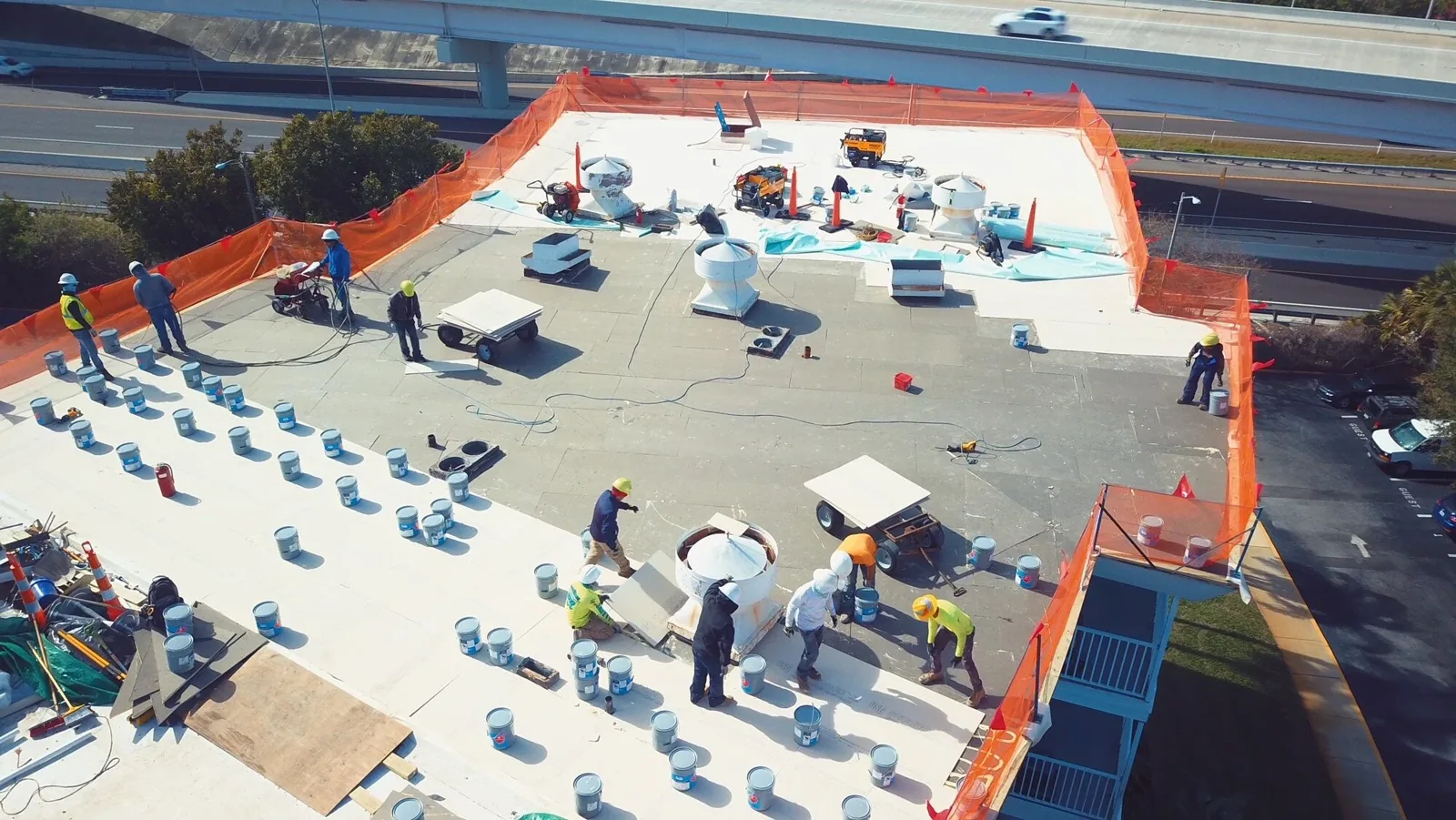
Multifamily work may affect top-floor homes, shared hallways, parking, patios, courtyards, and service routes. Management identifies notice requirements, quiet hours, access points, and any resident who needs a specific accommodation. We use that information to stage material and set a roof section that can be secured each shift. A phased occupied-building schedule can coordinate the work boundary with unit notices. If a leak is active, a separate temporary repair states what protects the home while the owner reviews permanent work.
We confirm who can authorize entry, lift setup, debris placement, and a temporary closure. A notice should identify the affected area and timing without making a claim about rooms the inspection has not reached. If tenants report water from several units, we map each observation before connecting them to one roof source. The project schedule lists the daily closure, cleanup route, and person to call if access changes. That keeps a resident report from becoming an assumption that every roof section needs the same treatment. Management can also keep a current contact list for residents whose balconies or parking spaces sit near the work boundary.
Trace Water Across Units and Roof Areas
We compare the reported ceiling or wall condition with roof seams, penetrations, drains, perimeters, and transitions. A commercial roof inspection records accessible areas and photographs each finding by roof section. Water can move through insulation or deck joints before appearing inside a unit, so the report does not assume that the roof opening is directly above the stain. If more access or moisture testing is needed, we name that step before expanding the repair.
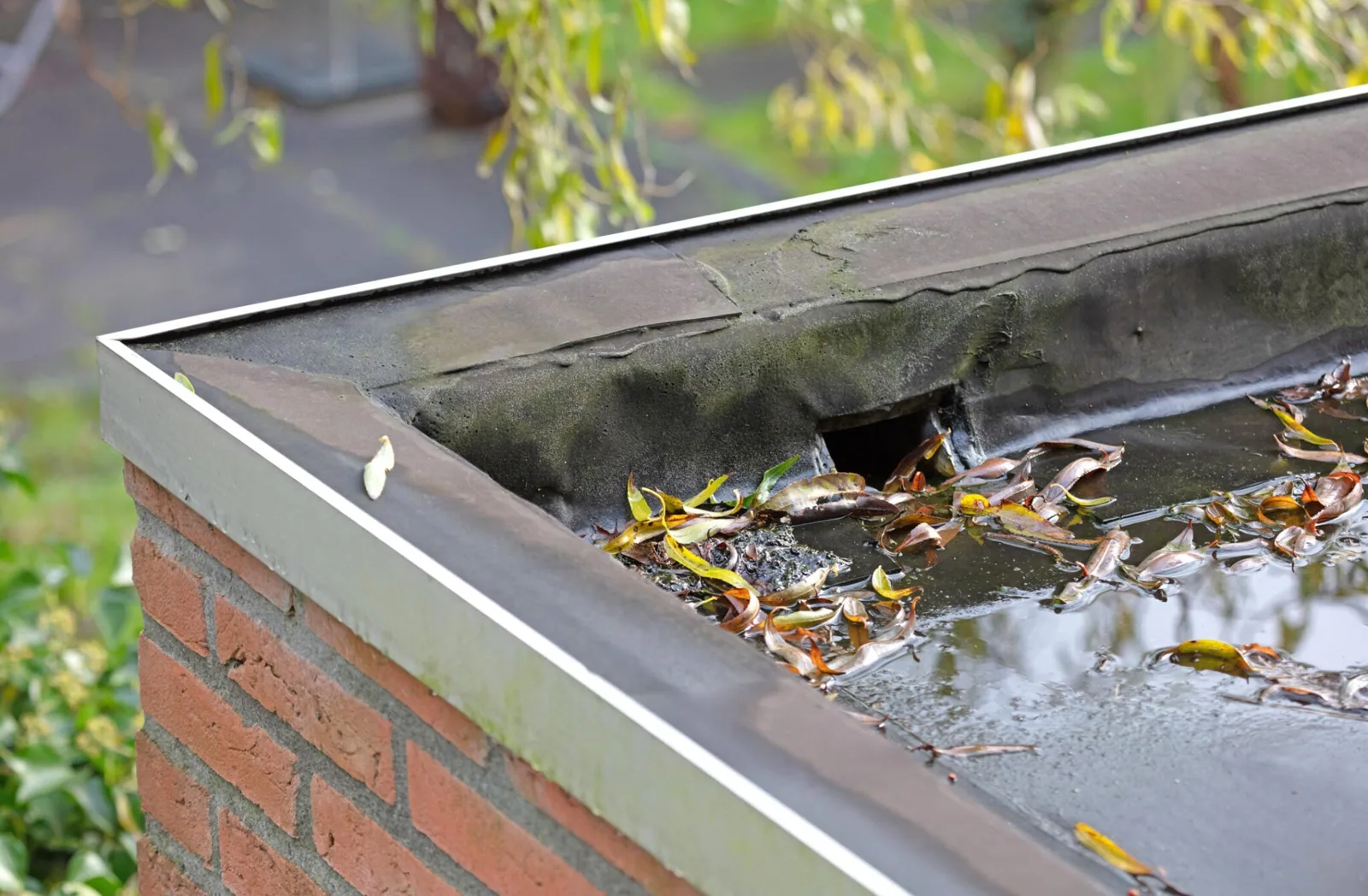
Apartment buildings may include low-slope sections, balconies, rooftop equipment, stair enclosures, and additions. We identify which roof areas share drainage and which details are separate. A drainage check records the bowl, overflow, and nearby flashing. If equipment curbs or lines interrupt the membrane, the responsible mechanical contact confirms service clearance. The owner receives a condition map that separates a confirmed defect from a unit complaint or an interior repair assigned to another trade.
Plan for Frisco Heat and Severe-Weather Season
The DFW July and August normal highs sit above 95°F, a useful constraint when coordinating roof access, resident notices, and heat-sensitive materials. Heat can affect roof-surface conditions and the safe hours for some materials. We plan a daily opening that matches product limits and can be made watertight before residents return to their normal routes. Frisco's Rail District and Original Town Commercial District reflect downtown reinvestment, while North Platinum includes larger corporate and mixed-use projects. We use those contexts to frame access questions, not as evidence of a multifamily roof's condition.
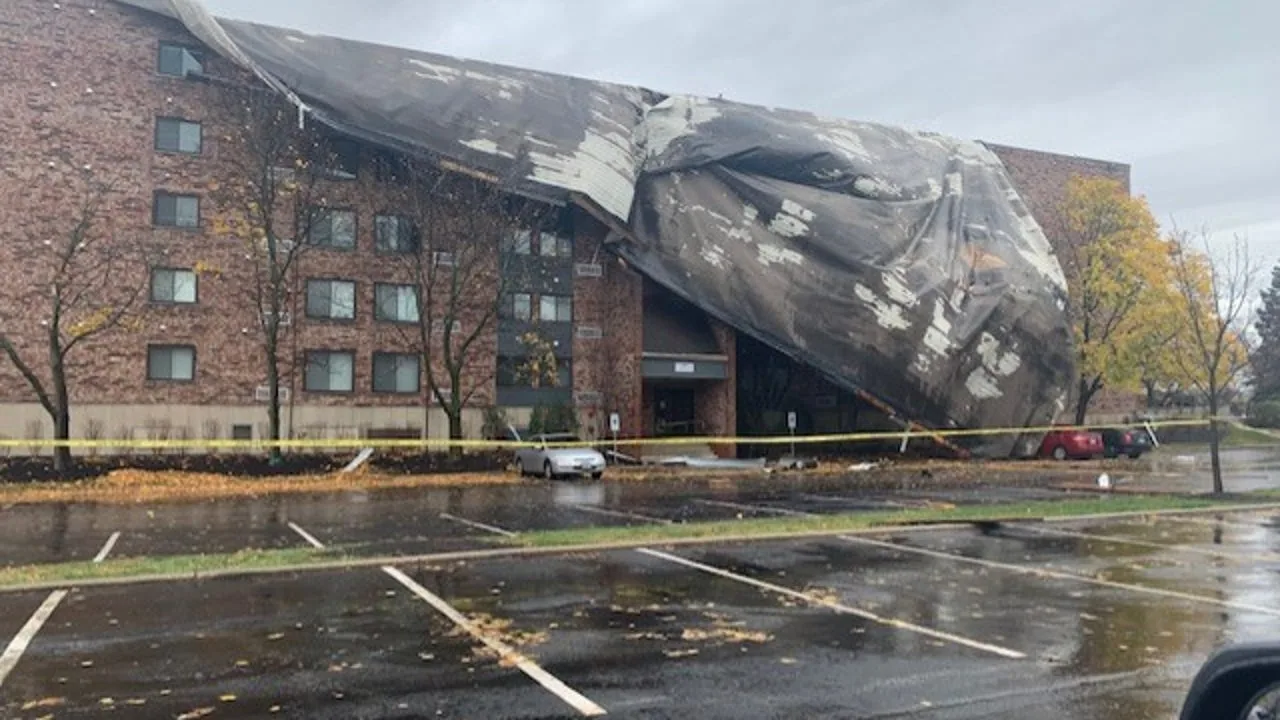
For multifamily properties, DFW’s wet spring severe-weather season makes a dated roof and ceiling check a better basis for resident updates than an unverified storm assumption. A regional event may be a reason for a prompt inspection, but it does not prove damage at a specific apartment property. We photograph the actual membrane, edges, drains, and penetrations and note the date and access. A storm assessment distinguishes observed damage from temporary protection and any claim record. Management confirms resident notices and contractor routes for the actual address before work begins.
Keep Unit Repairs and Capital Work Separate
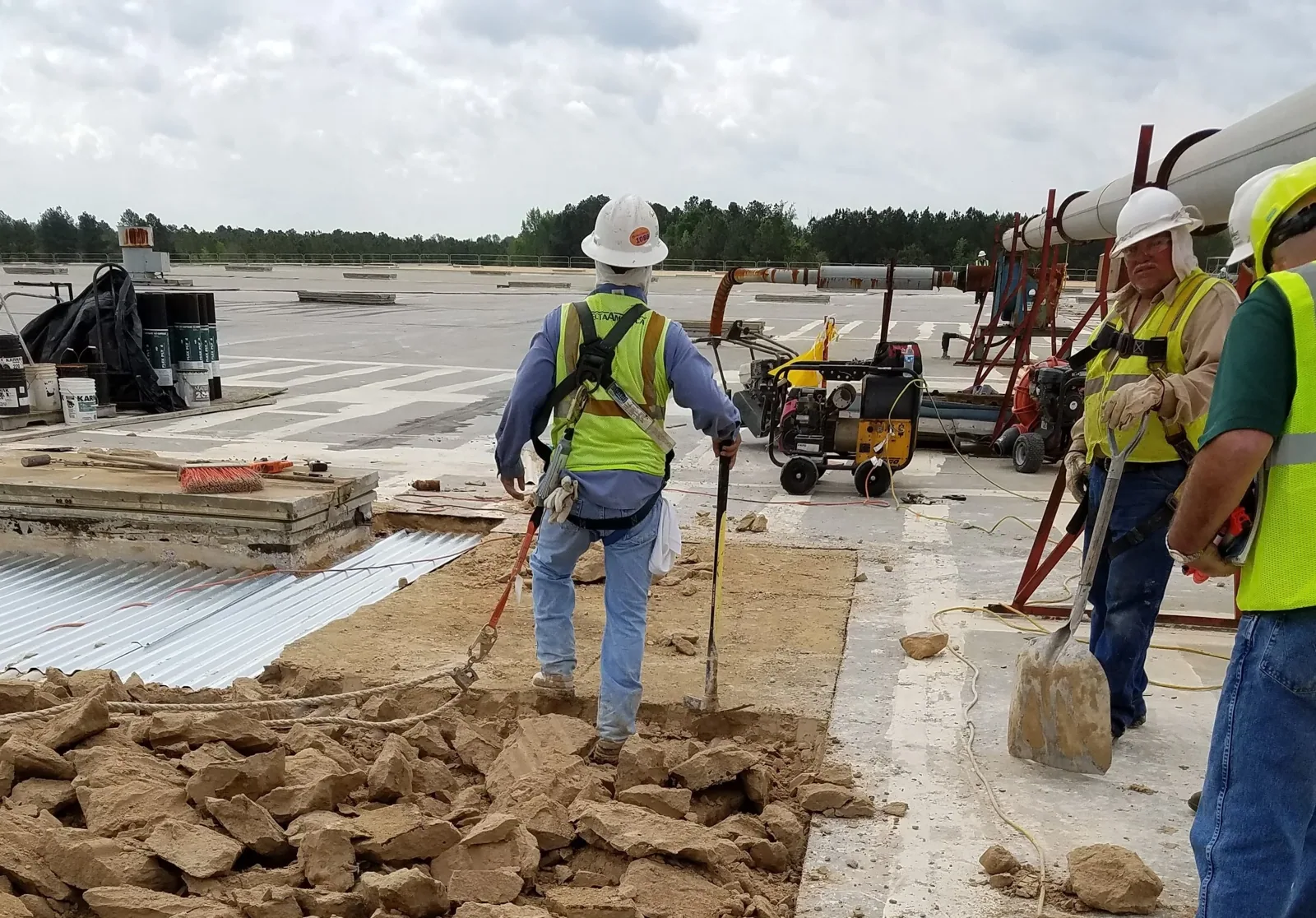
The estimate identifies each roof section, flashing detail, access need, interior protection, and work hour. We separate known defects from concealed insulation or deck conditions that need owner approval if exposed. If several sections show related failure, a replacement plan can be priced against the same map. The repair line, any testing, and possible capital project remain distinct so management can choose the next spend with clear scope boundaries.
Frisco planning describes office and modern-industry land uses in business-park areas, while downtown work addresses distinct commercial districts. The city's property mix cannot establish how a particular apartment was built. We check available roof records, prior repairs, and drainage plans. A hotel roof sequence may also protect occupied rooms but follows guest operations; a school roof plan follows an academic calendar. Multifamily work needs its own resident notice, lease access, and unit-protection requirements. A condition report preserves the photos that support the recommendation.
Return the Units With a Repair Record
Closeout lists the roof sections repaired, dated photos, materials installed, work boundary, and any condition left open. We note which units or common areas received temporary protection and who accepted them after the work. Management can retain the map with roof plans, notices, prior repairs, and maintenance dates. Any drywall, electrical, or mechanical work assigned to another trade remains a separate acceptance item.
If water appears again, we compare the unit, date, and conditions with the prior repair map, then inspect the likely roof path. A separate drain or penetration may need attention. We do not extend the earlier patch without a current finding. Around-the-clock emergency response is available when active water threatens occupied homes. The owner receives the next protective action, the access window, and the approval needed for additional work. That record gives residents and management a factual update about the affected area and timing. We list the next inspection date and the contact who can authorize access for follow-up. That keeps resident notice, roof evidence, and owner approval tied to one current record.
Commercial Roofing Questions
Can apartment reroofing proceed while residents stay in their units?
It can be considered when roof sections, weather protection, resident routes, and access can be controlled. Management identifies notice periods and any accommodations. We set a daily work boundary and stopping point, then list which units or common areas may be affected before the crew mobilizes.
How do you investigate several leak reports in one building?
We map each unit, room, and time first, then compare those observations with shared drains, seams, penetrations, and roof sections. Multiple interior reports may have one path or separate causes. The report records findings by location and names any access or testing still required before a repair is approved.
What should a resident notice include?
Management can state the affected building area, work date, expected noise or access change, and contact for questions. We provide the roof work boundary and schedule information needed for that notice. A notice should not promise that unrelated units or roof areas have been inspected.
What affects multifamily roof repair cost?
The defect area, membrane and flashing detail, access, resident protection, staging, disposal, and any concealed deck or insulation condition affect the scope. We list the known repair separately from approval items. If replacement is being considered, phasing and temporary protection are shown with the same roof map.
What records help with a later resident leak report?
Keep the unit and roof-section map, dated photos, approved scope, repair materials, notices, closeout notes, and next maintenance date. We identify open trade items and the contact who accepted the repaired area. Management can compare a later report with the correct work boundary instead of assuming it repeats the earlier condition.