A ceiling leak before students arrive leaves little time to separate immediate protection from the permanent repair decision. We identify the room, trace the water path, and map the roof section with the facilities contact before opening material. In Frisco, the Rail District and Original Town Commercial District sit alongside newer employment areas such as the North Platinum Corridor. These contexts can change access and occupied-hour planning, but they do not identify a school's roof system or schedule. We verify the actual building, calendar, entrance controls, and roof records. The first-hour plan protects the interior, records the condition, and gives the district a clear next spend and approval point.
Fit the Work to the Campus Day
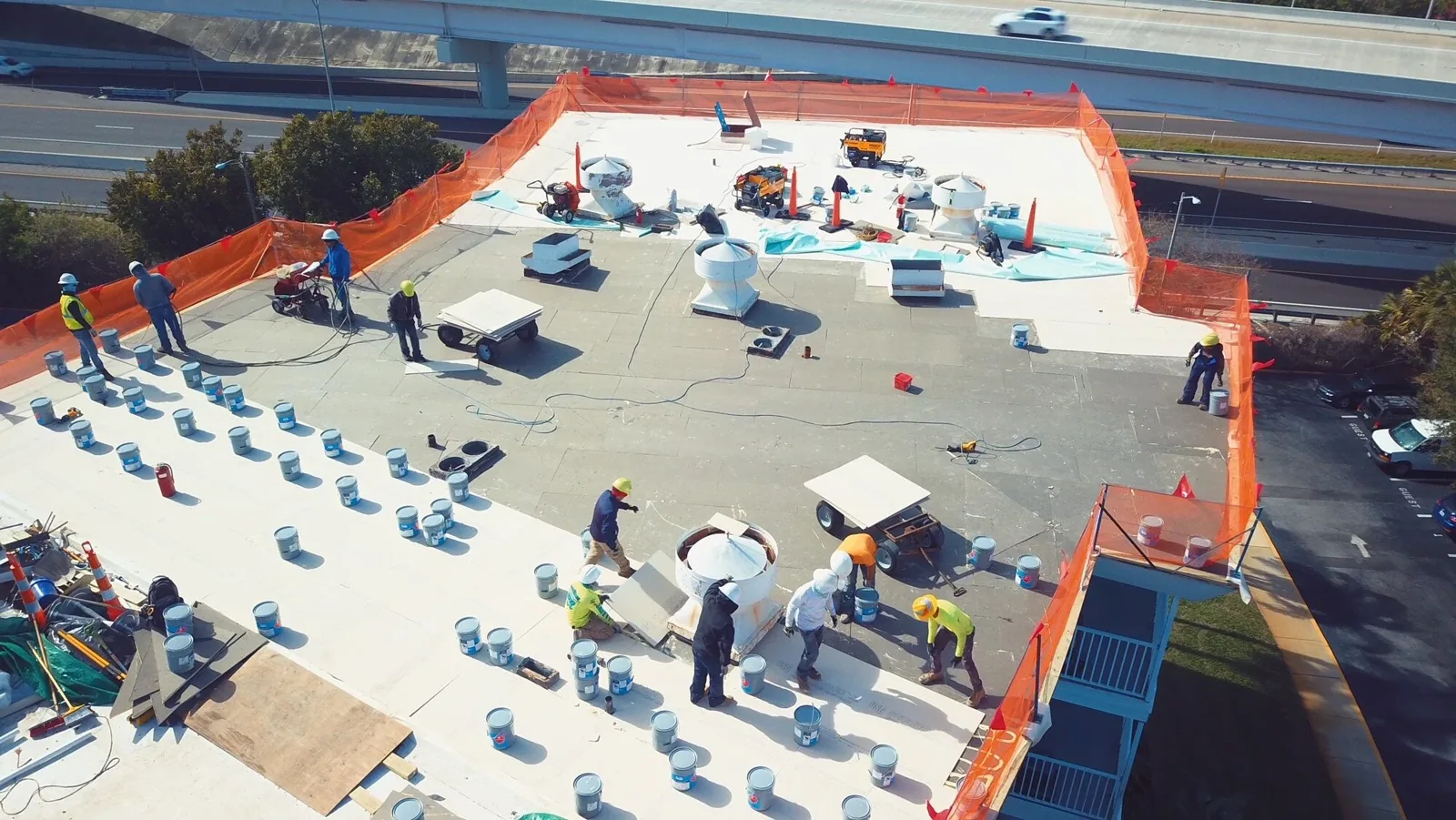
Facilities identifies arrival and dismissal periods, testing dates, meal deliveries, secure entrances, and spaces that cannot tolerate noise or a temporary closure. We use those requirements to set a roof access route, material staging point, and daily work boundary. A phased occupied-building plan can keep one roof section under work while another remains closed and protected. If water is active, a separate leak response marks temporary protection and the permanent repair line so an urgent ceiling issue does not force a district-wide replacement decision.
School calendars change, and a roof plan must follow the dates the district approves. We confirm who can authorize after-hours access and how workers, deliveries, and debris leave the property. The scope lists the decision maker for weather delays and any additional work found under the membrane. If an area cannot be closed during the school day, the schedule states the alternate window before a crew mobilizes. That keeps access rules visible instead of turning them into a last-minute change order.
Map the Roof Before Choosing the Repair
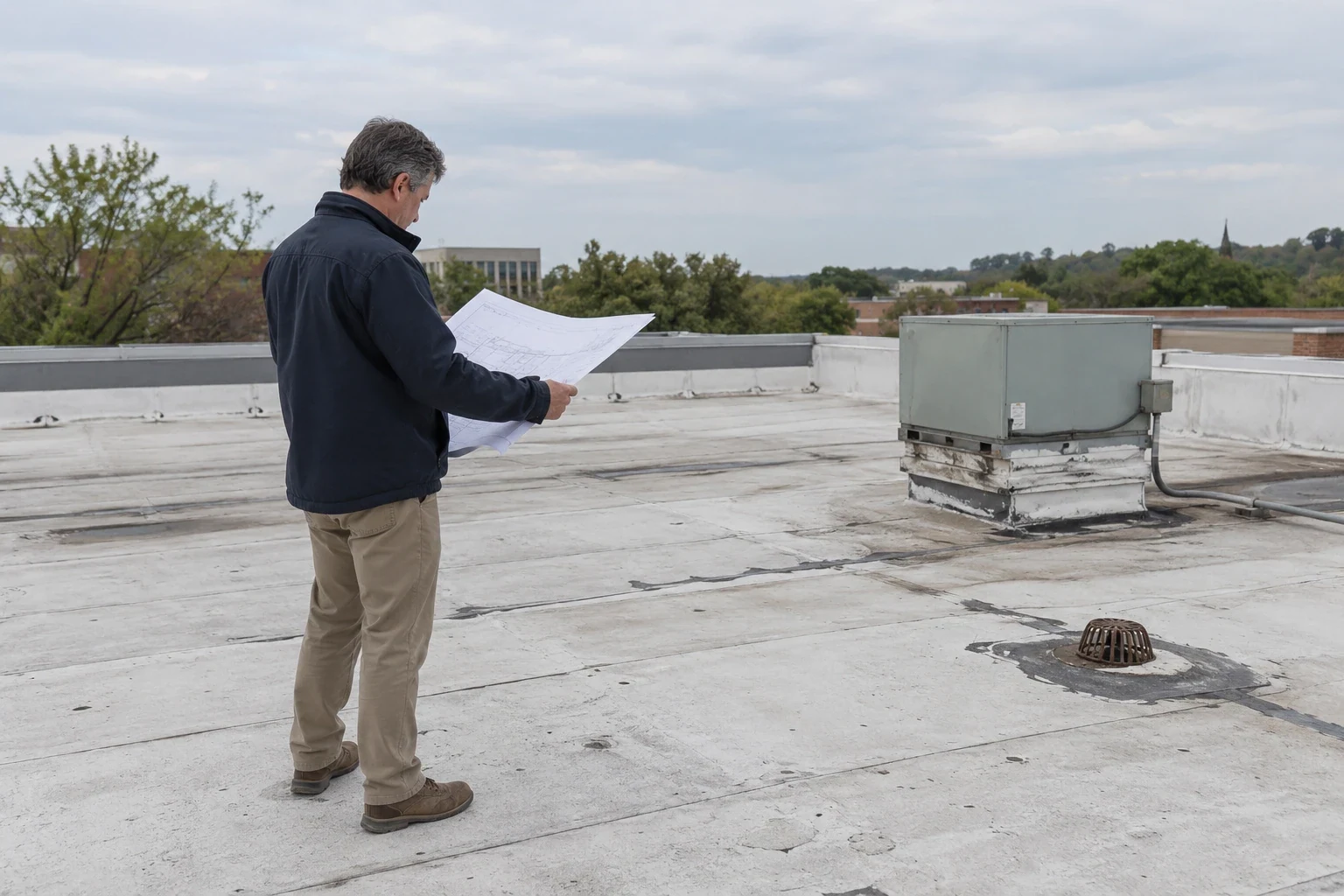
We review seams, penetrations, drains, perimeter flashing, and previous repairs, then pair each observation with a photo and roof section. A commercial roof inspection records the accessible areas and any limitation that affects the conclusion. Interior reports help direct the check, but water can travel before appearing below the roof opening. If wet insulation or damaged deck is concealed, the proposal identifies the test or removal needed to confirm it rather than treating it as an observed condition.
School roofs may include classrooms, gyms, kitchens, mechanical penthouses, and additions built at different times. We do not infer that each wing uses the same assembly. The map notes membrane type when the records or visible construction support it, and flags transitions between roof areas. At drains, scuppers, and overflow points, we inspect the outlet and surrounding flashing to distinguish an outlet problem from a roof-field repair. The district receives a list of findings ordered by water risk, access need, and approval deadline.
Plan for Frisco Heat and Spring Storms
Normal afternoon highs exceed 95°F in both DFW summer months, so a school calendar alone does not settle crew heat precautions or material timing. Hot surfaces can change application conditions and the hours available for roof work, so we check product requirements and building access before setting each shift. Frisco's downtown planning covers reinvestment in the Rail District and Original Town Commercial District, while broader employment areas include corporate and mixed-use properties. We use those local distinctions to ask about a school's roof and route, not to assume it shares a nearby commercial building's details.
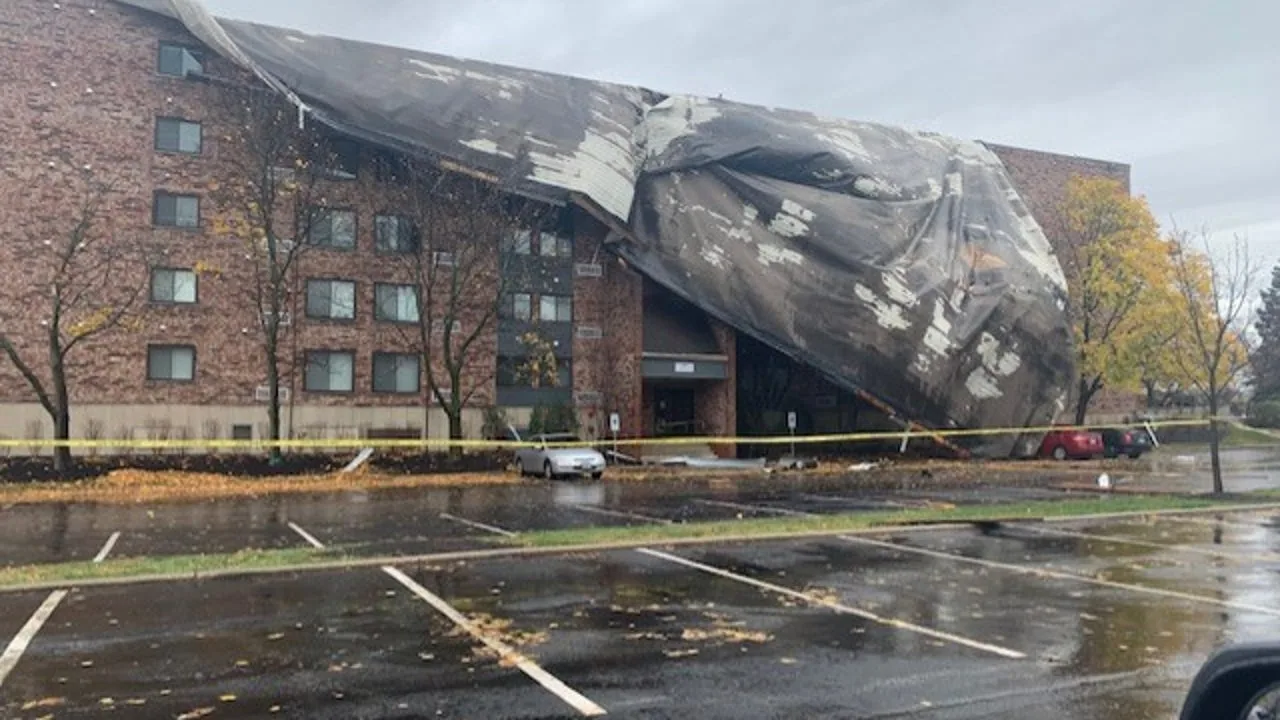
DFW spring brings the region’s wettest weather and recurring severe storms; district teams can use event dates to organize inspections, not presume a leak cause. A district storm report can prompt a roof inspection, but it does not prove that a particular school was struck. We photograph actual membrane, flashing, edge, and drainage conditions and state what was accessible. If event damage is confirmed, a storm repair scope keeps emergency protection and permanent work distinct. Where the district needs a longer view, a capital schedule can align repair priorities with planned funding and school breaks.
Separate the Repair Line From Campus Projects
A proposal identifies the roof area, access conditions, removal depth, flashing details, and interior protection included. We price known repairs separately from possible concealed conditions. If the assembly is near the end of its practical service, replacement options can show insulation, attachment, perimeter details, and phased access by building. A TPO assembly may be considered where substrate, drainage, and project requirements fit, but the system choice follows the inspected roof and district specifications.
Frisco's 2025 business-park land-use plan emphasizes office and modern-industry uses and permits office/warehouse or distribution forms only where zoning and truck routes allow. The plan is not an inventory of school properties. For deliveries, we confirm the school's own truck approach, gate, and staging approval. A college building scope may face different occupancy and access conditions, while a school project needs its own calendar, student separation, and district approvals. For districts with clinical properties, a separate hospital roof scope follows different access controls. We write those boundaries into the estimate so the next decision can be reviewed before work begins.
Return a Record the District Can Reuse
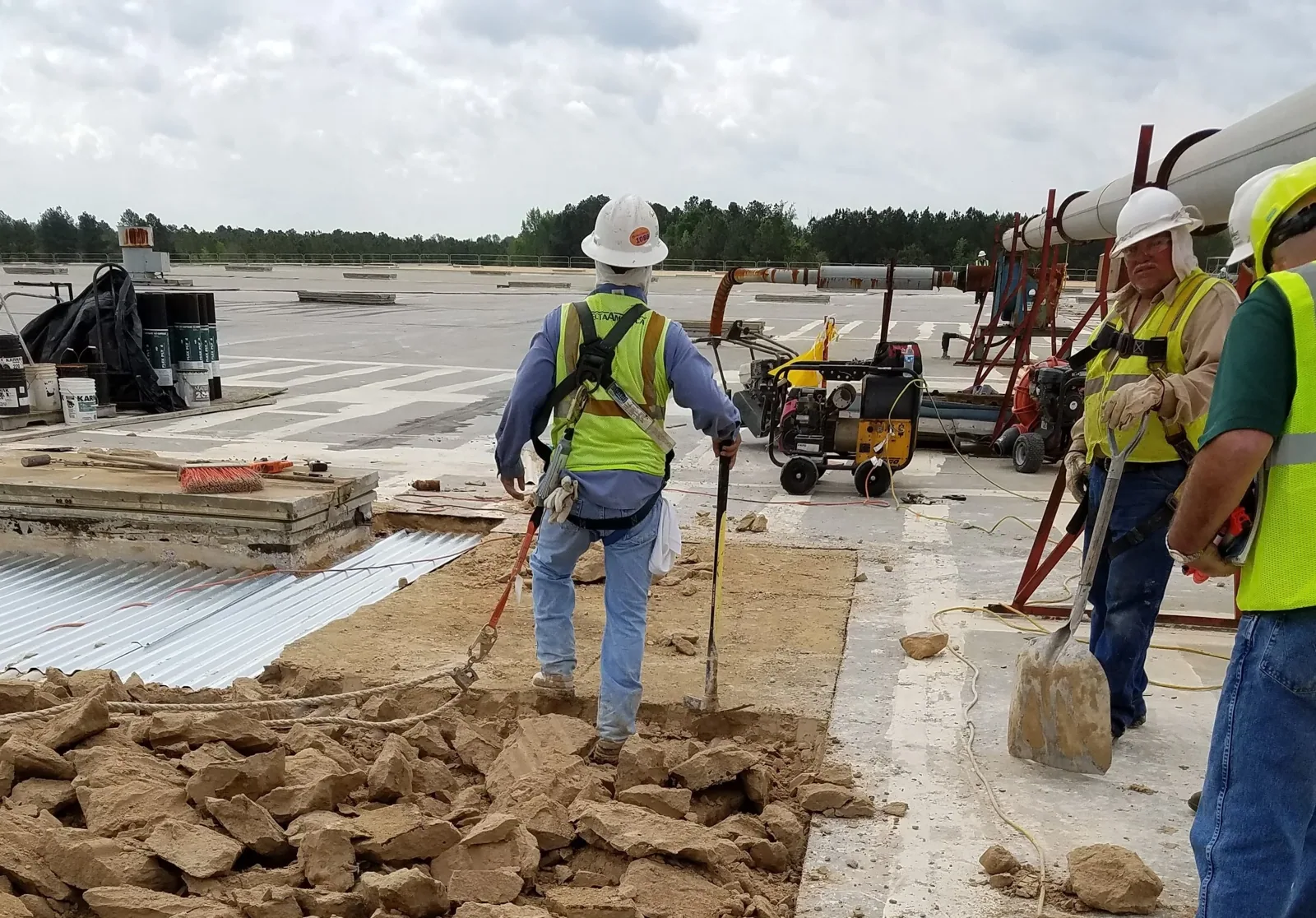
At closeout, the district receives dated photos, roof sections completed, materials installed, and any open condition requiring follow-up. We list the next inspection point and retain the change approvals with the building file. A condition report can help compare future observations with the repair map. If a mechanical trade handled equipment, the handoff identifies that scope and any confirmation still due; roofing acceptance does not stand in for a system test.
If a stain returns after a repair, we compare its timing and room location with the earlier map and check the water path again. The cause may be a separate penetration, seam, or drain. The repair stays tied to the newly observed section rather than extending a prior patch without inspection. Emergency response is available at any hour when active water threatens classrooms or equipment. The district receives the recommended action, the access window needed, and the date a larger repair or replacement decision should return to the budget process.
Commercial Roofing Questions
Can school roof work be limited to summer break?
Some work can be scheduled during a break, but the roof condition, weather, material requirements, and available access determine what fits. We identify repairs that need earlier protection and separate them from work that can wait safely. The district receives a sequence with daily closure points and any access or approval item that could change the calendar.
How do you keep students away from roofing activity?
Facilities and school leadership establish secure entrances, work routes, delivery timing, and any separation barriers before mobilization. We include those limits in the schedule and coordinate each shift with the assigned contact. If an approved route changes, we pause the affected activity and confirm a safe alternative before moving workers or materials.
Will a roof inspection identify the source of every ceiling stain?
An inspection can connect a reported area to visible roof conditions, but water may travel along a deck or insulation before appearing indoors. We map the report, inspect related details, and state any testing or interior access still needed. The written finding names what is confirmed and what remains open for the district to authorize.
What affects the price of a school reroof?
Roof area, removal depth, assembly choice, drainage and flashing details, access limits, schedule windows, and possible deck repairs all affect the scope. We list the work included and identify concealed conditions as approval items. Phasing by building or wing can also change mobilization and temporary protection requirements.
What should the district retain after a repair?
Keep the inspection map, dated photos, scope, material records, approvals, closeout notes, and the next maintenance date together. We identify any incomplete testing or trade work. Those records help facilities staff explain what was repaired and where a future inspection should begin.