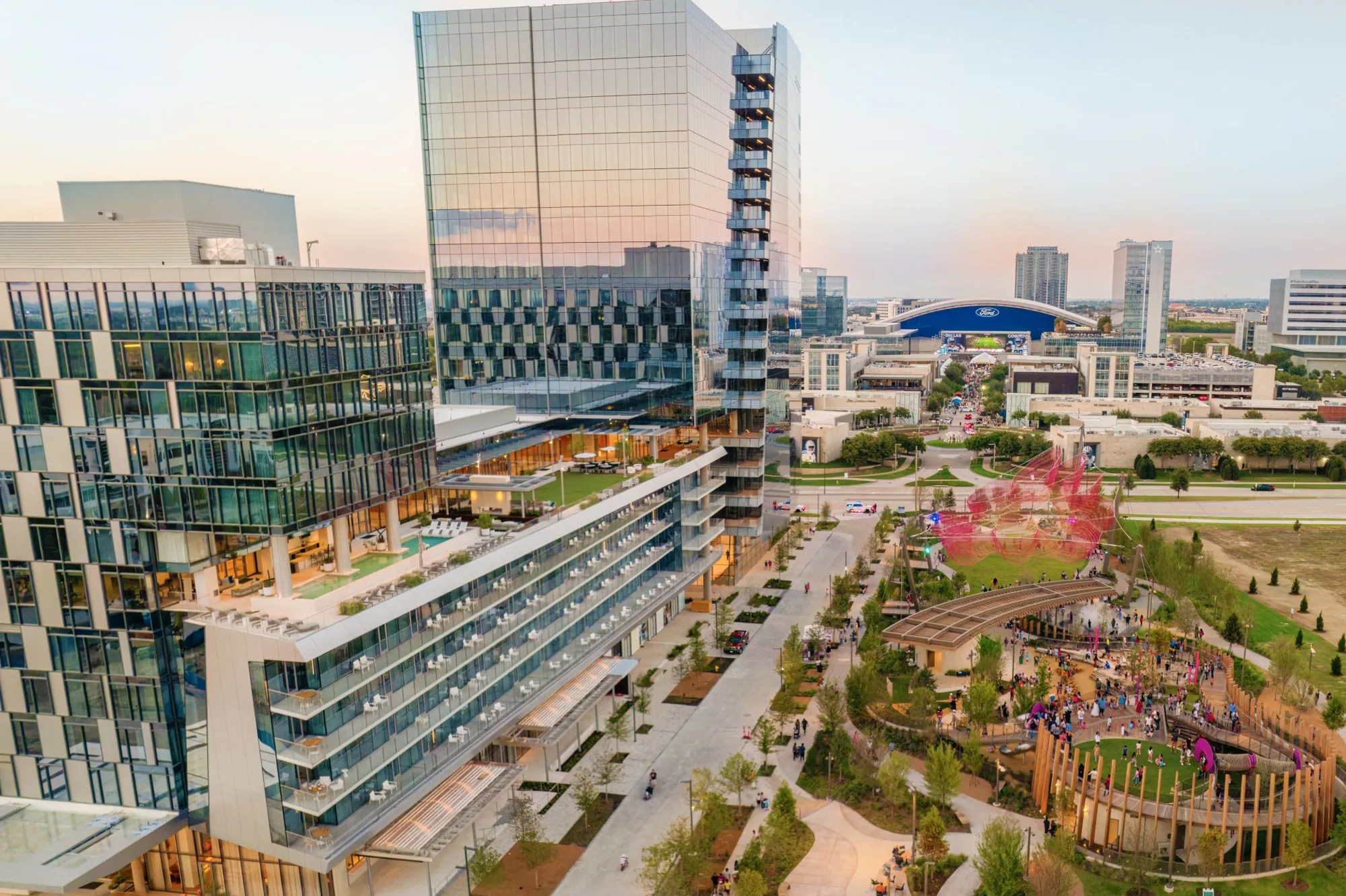
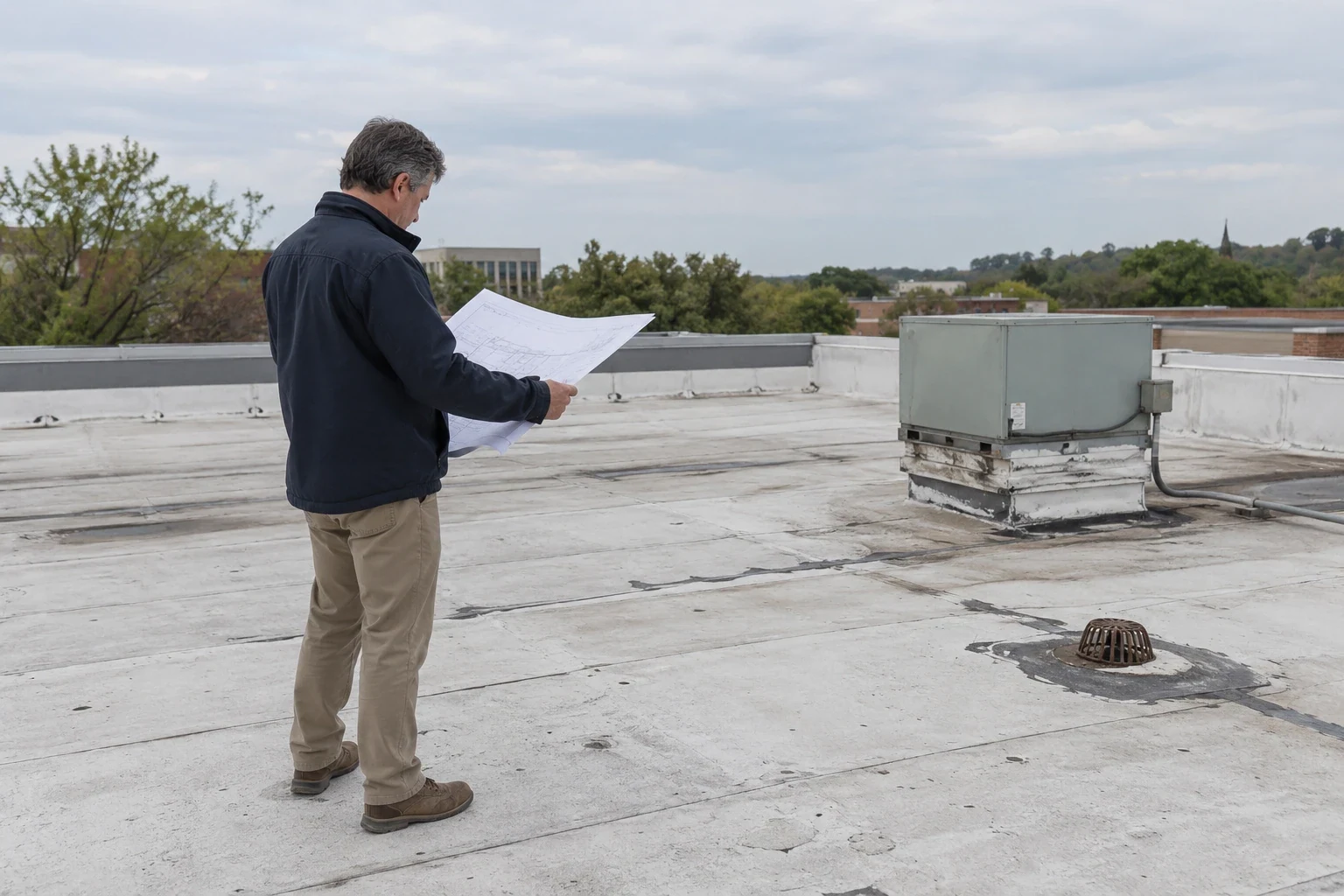
A roof leak above a classroom or research space needs a protected interior and an approved access window before the repair scope grows. We map the reported room to a roof section, document the water path, and identify any equipment or security restriction that changes the work. Frisco's Rail District and Original Town Commercial District have a different commercial pattern than the multi-building corporate development in the North Platinum Corridor. Those local settings can shape delivery and occupancy questions, but they do not establish a campus's roof type or academic calendar. We verify the institution's own records, access rules, and decision date. The first-hour plan separates temporary protection from the capital choice.
Choose a Window the Institution Can Hold
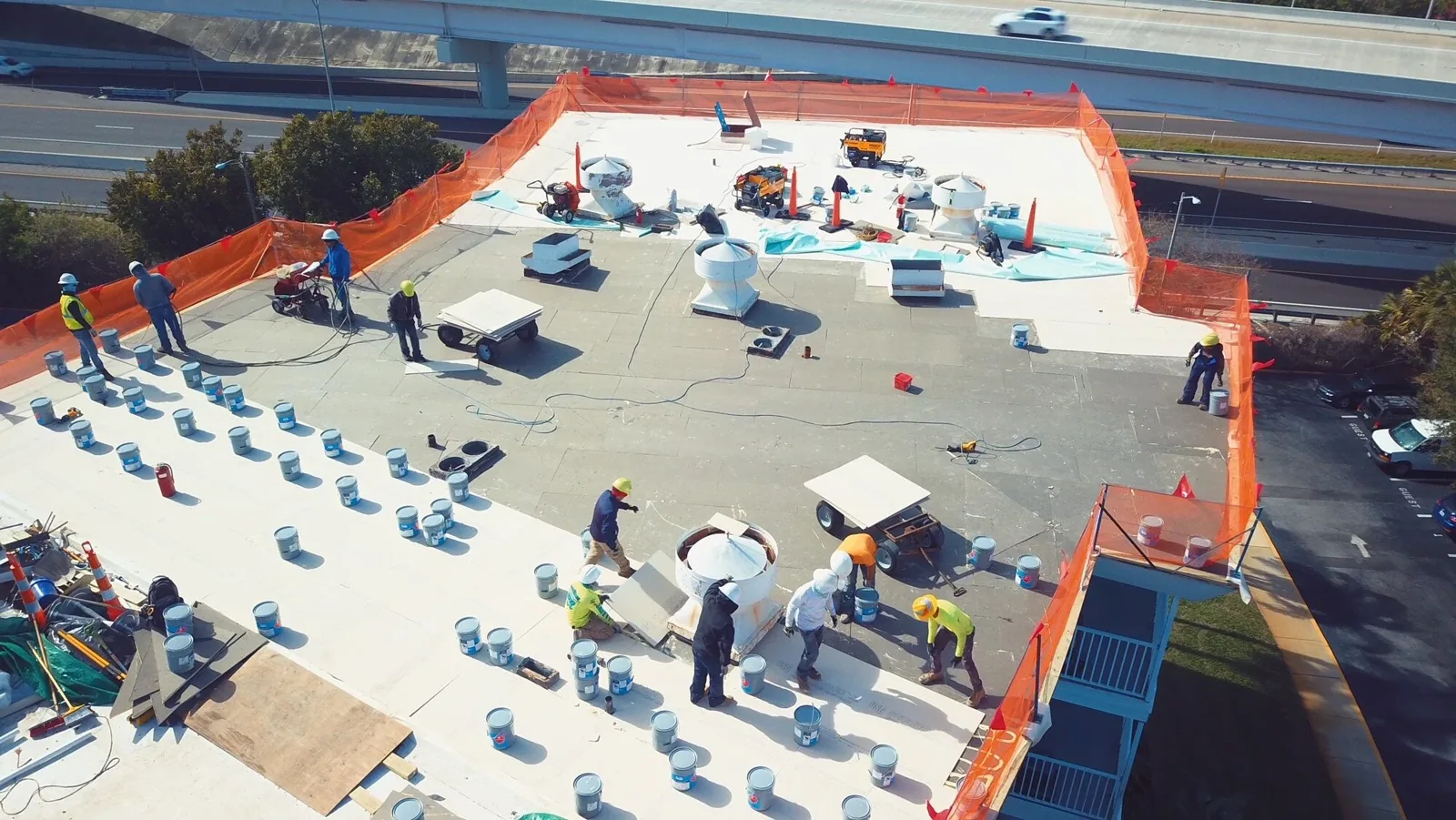
Facilities identifies semester dates, examination periods, residence or event schedules, building access, and spaces that cannot accept noise or water risk. We map those requirements to roof zones and set a daily stop point that can be secured before the building returns to use. A phased occupied-building plan may split a large project by wing or building, subject to the assembly and weather. If active water is reported, a temporary leak scope states what protects the interior while permanent work awaits review.
Universities can have separate contacts for capital projects, building operations, research, housing, public safety, and outside trades. We record the person who approves access and who can authorize a change when tear-off reveals a concealed condition. Lift routes, loading locations, roof keys, escorts, and photography rules are confirmed before mobilization. A calendar block does not by itself grant access to every roof area. The schedule should state the approved route and any inspection or safety orientation required for each crew visit.
Compare Roof Sections Before Pricing a Campus
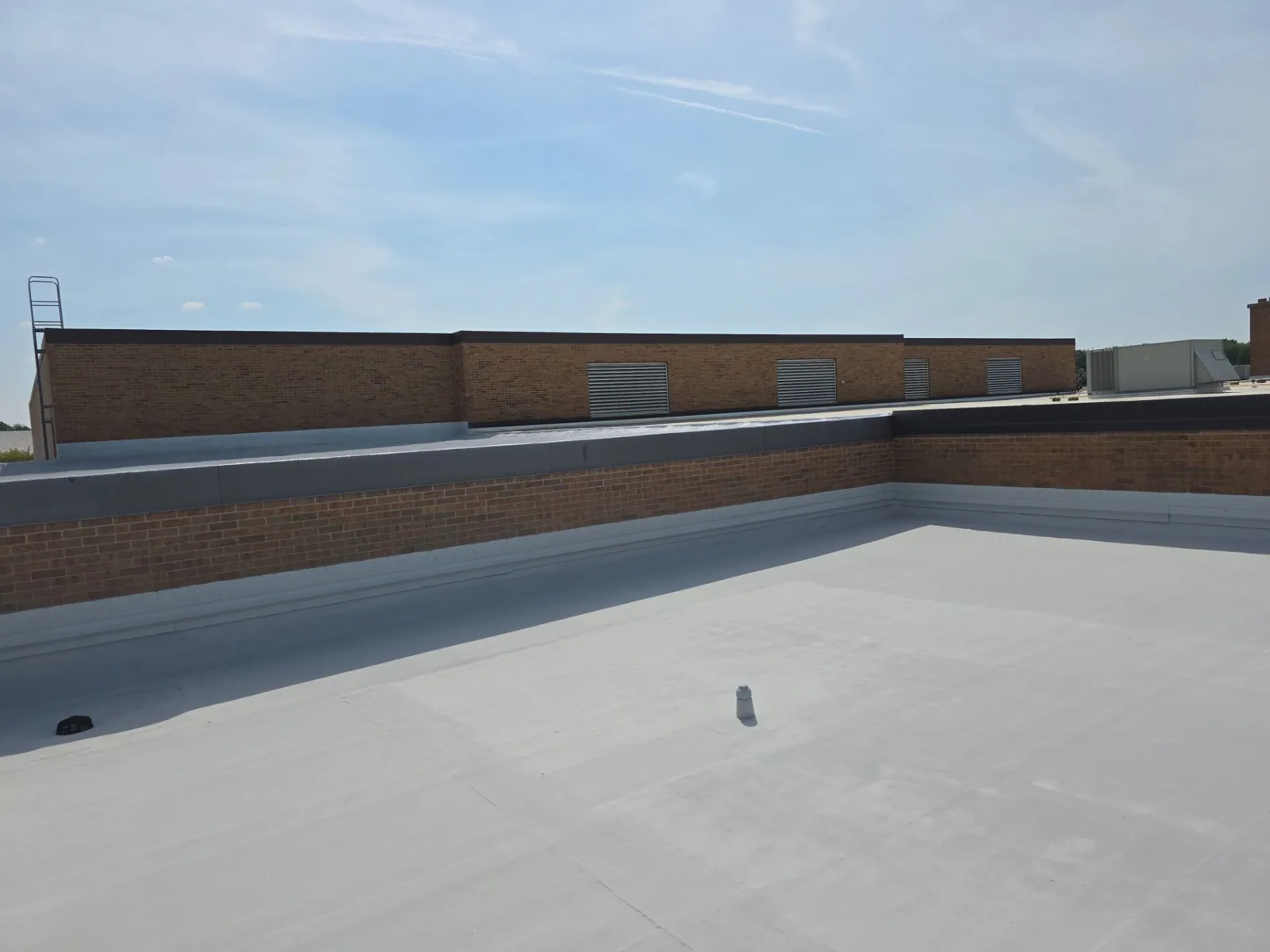
We identify the visible membrane, edge metal, drains, penetrations, and previous repairs on each accessible section. A condition inspection organizes the findings by roof area and marks where records or access remain incomplete. Campus buildings may differ by addition and function, so one roof's assembly should not be assigned to another building without evidence. The report ties each repair recommendation to its photo, scope boundary, and next approval need.
Mechanical equipment and service infrastructure can occupy much of the roof field. We map curbs, pipe supports, electrical pathways, and clearances, then ask the facilities lead which systems must stay active. The project names who disconnects or lifts equipment and who verifies operation afterward. If drain extensions or curb heights change with a recover, that detail belongs in the price. A new insulation and cover-board scope should state its thickness and attachment only after the existing build-up and project requirements are confirmed.
Use DFW Conditions to Set the Roof Sequence
At the DFW station, normal highs climb to 95.6°F in July and 95.8°F in August, which can shape summer access and material sequencing across campus buildings. Heat affects roof-surface conditions and may narrow the hours available for a particular product. We check the system requirements and schedule each opening so the crew can secure the area before leaving. Spring is the regional peak for rainfall and severe-weather activity; a forecast or storm log sets context, while the campus inspection establishes roof condition. These regional patterns help set inspection and dry-in timing; they do not establish damage at a campus building.
Frisco's 2025 business-park category centers on office and modern-industry uses and allows office/warehouse forms where zoning and truck-route access permit them. That is planning context, not proof of what a college owns or operates. We confirm delivery approach, crane setup, and debris route with the campus team. A local North Platinum Corridor reference can help frame Frisco geography, while every project still follows the institution's approved site plan. If a warning or leak report triggers an inspection, photos document the conditions actually found and the roof sections checked.
Keep Maintenance and Capital Requests Distinct
A campus proposal distinguishes the active repair line, scheduled maintenance, and any replacement option. We list material, access assumptions, work hours, interior protection, and concealed conditions that could require an owner-approved change. If the inspection supports a larger project, the capital schedule can carry the next spend into a funding cycle. A coating or recover is only considered after checking moisture, substrate, attachment, drainage, and edge details. The scope should not call a roof suitable before those checks are complete.
Frisco's downtown includes historic commercial buildings and ongoing reinvestment planning. In the Rail District, that context underscores why access, adjoining property, and project staging should be confirmed at the actual site. We do not assume that downtown context applies to a college building. The work package states which entrances, pedestrian routes, and adjacent operations are affected. When the institution owns other types of property, a school roof scope may have a different calendar, while a hospital roof plan can add clinical access controls. Each campus building receives its own condition map.
Return the Building With a Useful Roof Record
Closeout gives facilities dated photos, the roof sections completed, materials installed, repairs made, and any item still open. We identify follow-up testing, equipment work, and owner decisions that remain assigned to another team. The institution can retain the record with warranties and maintenance logs, then compare future observations against the same roof map. A photo condition report helps preserve that baseline without expanding the roofing scope to unrelated building systems.
If water appears again, we document the new room, date, and conditions rather than assuming the earlier repair failed in the same place. The water path may cross another seam or penetration. We inspect the relevant roof section, identify the next protective action, and show the owner what changed in the repair line. Emergency response is available around the clock for active leaks. The closeout leaves the academic contact with the next inspection point, any open access requirement, and a budget date for the decision that cannot wait until the next term.
Commercial Roofing Questions
Can campus reroofing be scheduled between academic terms?
A break can create a useful access window, but the roof assembly, weather, project size, and available approvals determine how much work fits. We identify active leaks that need earlier protection and phase the remaining sections against the institution's calendar. The scope states the daily secure boundary and the contingency if concealed conditions change the schedule.
How should a university coordinate rooftop equipment?
Facilities and the responsible mechanical or electrical contacts identify systems that must stay active, be isolated, or be lifted. We record clearances and flashing details, then assign each trade's work and restart confirmation. The roof scope does not assume that the roofing crew controls research, safety, or building systems.
What records help decide between repair and replacement?
A current condition map, dated photos, prior repair history, warranty documents, and any moisture or deck testing help define the choice. We connect each recommendation to a roof section and identify remaining unknowns. The institution can then compare the immediate repair line with a phased replacement option and its access requirements.
Does a severe-weather warning mean every campus roof needs repair?
A regional warning does not show what happened at an individual building. When damage or leakage is reported, we inspect the accessible roof areas and document the details found. The report distinguishes observed conditions from assumptions and recommends further testing only where the evidence leaves an open question.
Who approves added work after the roof is opened?
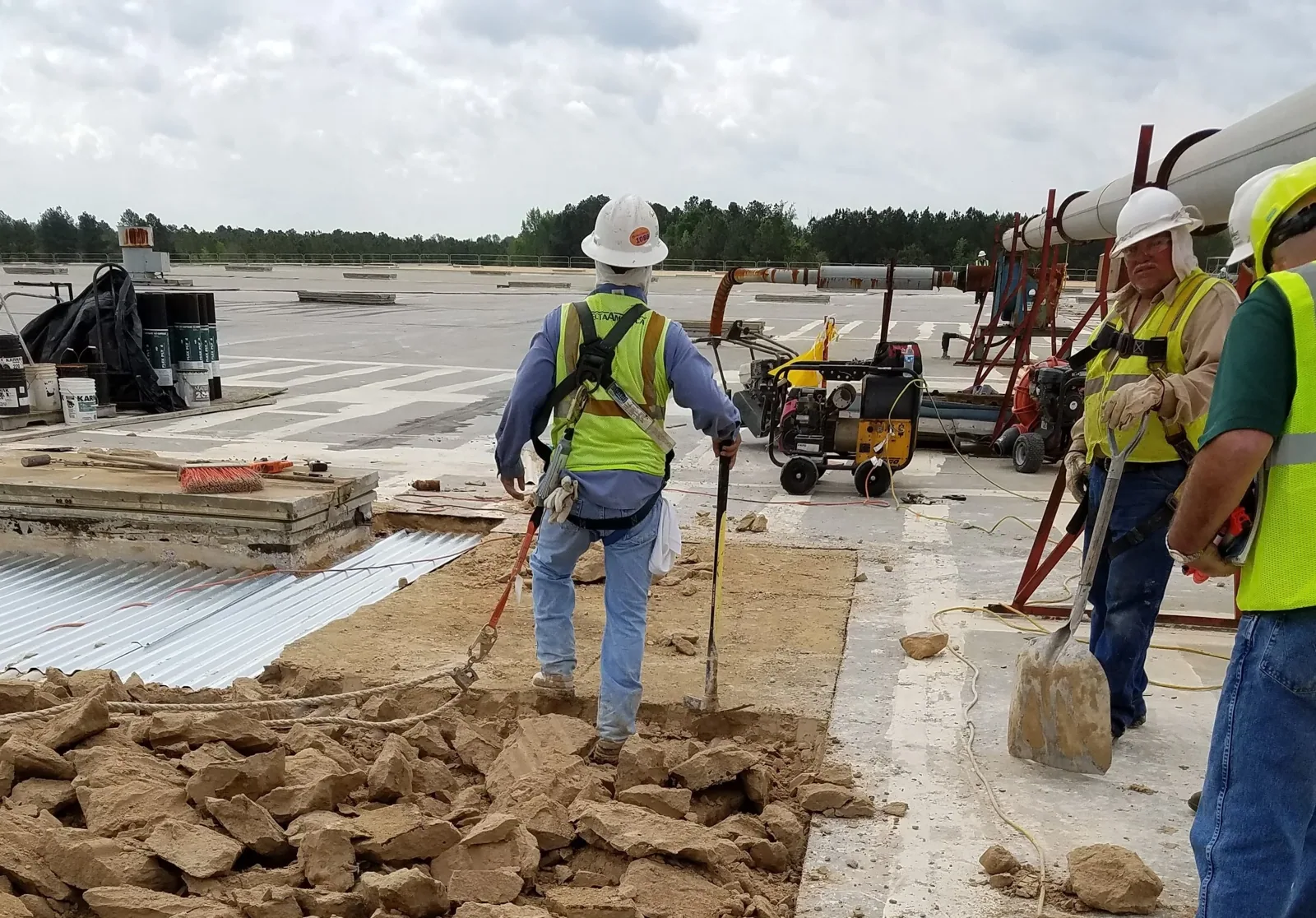
The institution names an authorized project contact before work starts. If removal reveals wet insulation or deck conditions outside the listed scope, we secure the opening, photograph the condition, and submit a change request with cost and schedule effects. Additional area stays closed until that contact approves the next step.