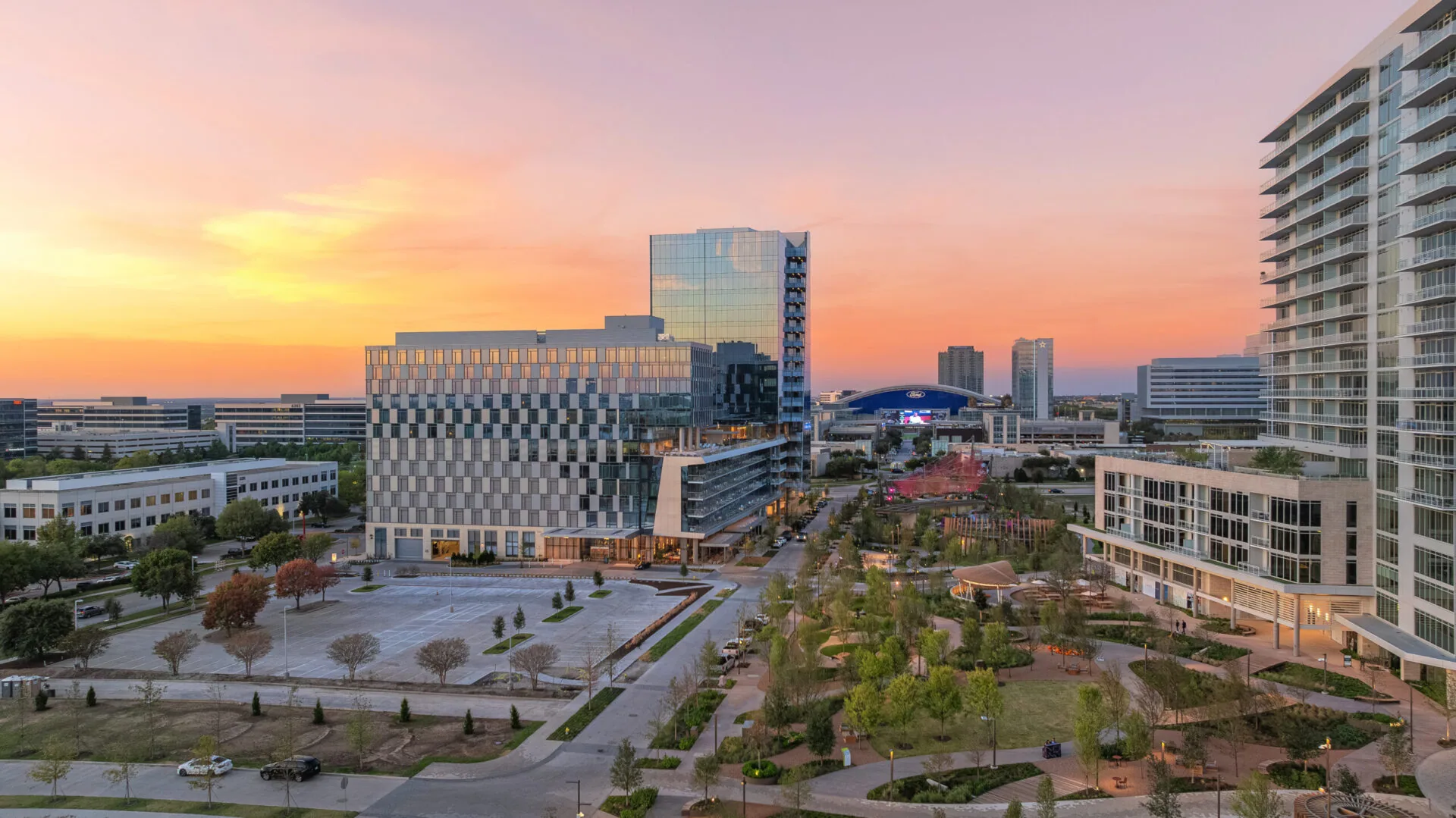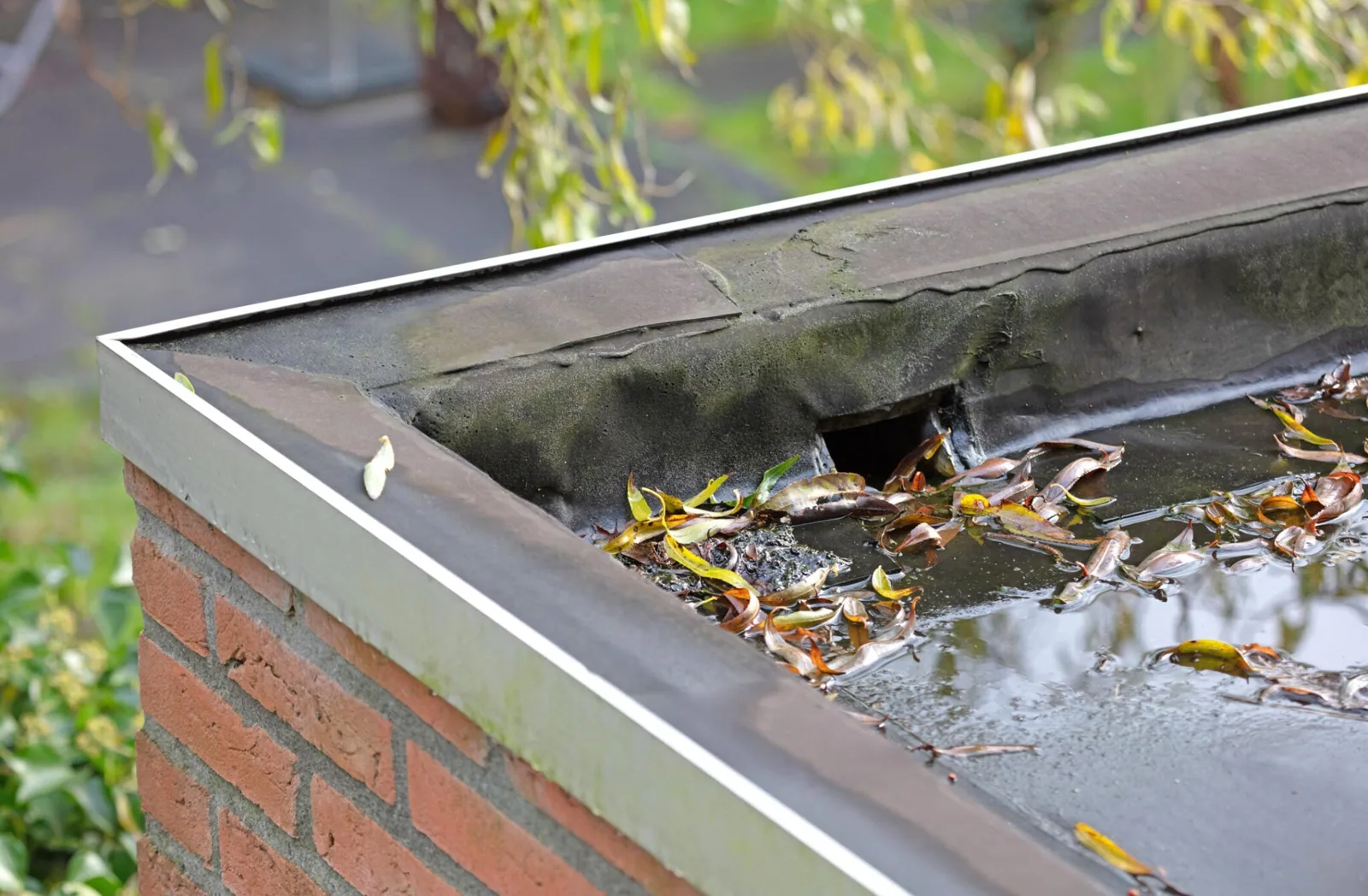
A leak above a showroom or service lane can put vehicles and daily work at risk before the roof source is known. We record where water appeared, protect the area, and map the likely roof section before pricing a permanent repair. Frisco's North Platinum Corridor has larger corporate and mixed-use development, while the downtown master plan includes Main Street and Fourth Street implementation. Those settings do not reveal a dealership's inventory plan, rooftop equipment, or delivery gates. We confirm the actual assembly and operating schedule with the property contact. A Dallas Parkway Corridor review helps place the location in the city network, but the roof boundary starts with the reported water path and the vehicles beneath it.
Keep Sales and Service Work in Separate Zones
A dealership may include a showroom, offices, parts storage, service bays, wash areas, and outdoor vehicle display. The manager identifies which lanes must remain open and which vehicles or equipment need protection. We plan roof access, lifting, debris handling, and interior controls around those active zones. A phased occupied-building schedule names the section opened each shift and how it will be secured. If water is active, a leak-response visit can protect the immediate area while the full scope is reviewed.
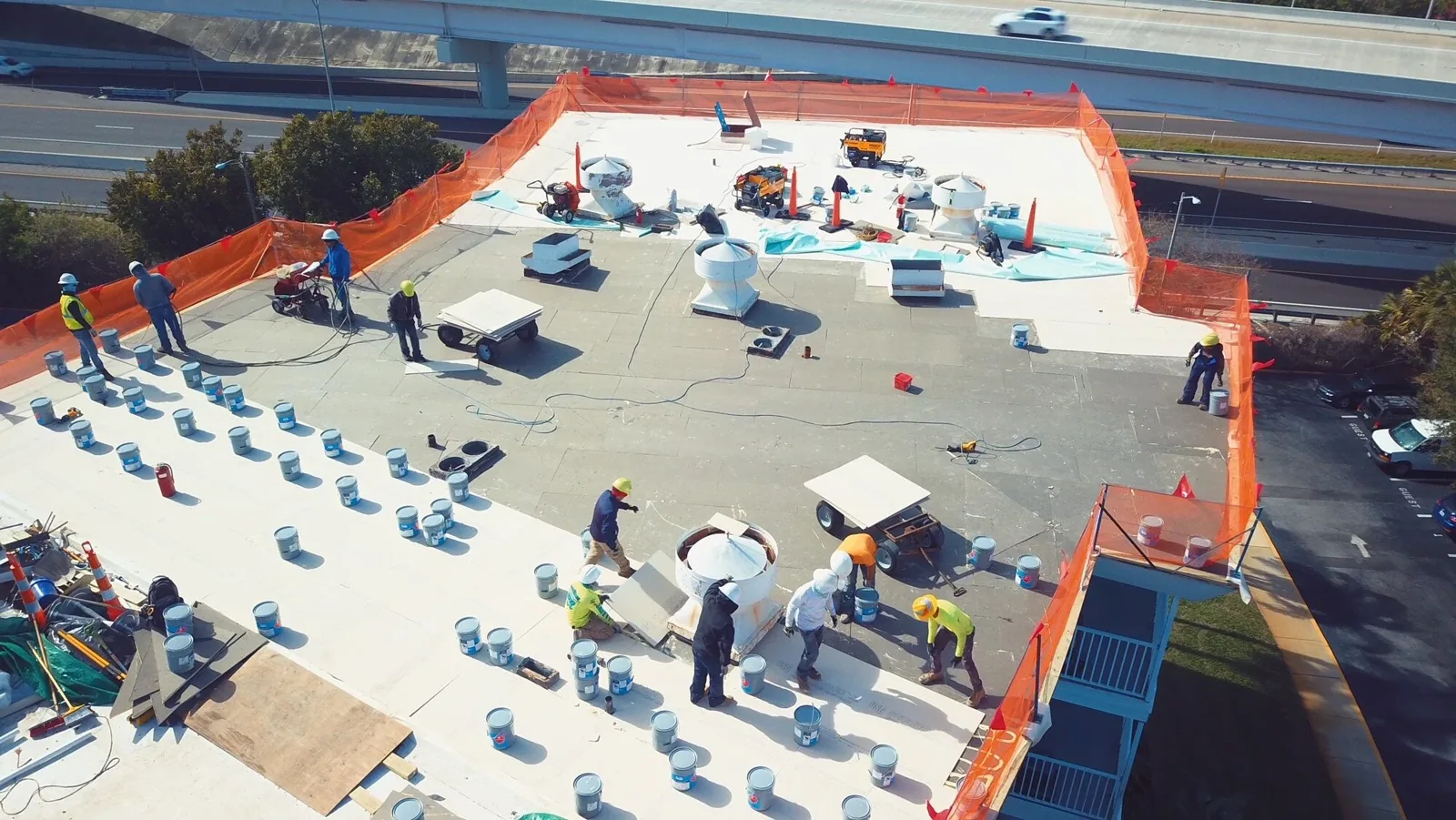
Service-bay exhaust, rooftop units, pipe supports, and signage can affect roof access. We identify their locations and clearance needs before setting a lift or staging material. The service manager confirms whether a bay or delivery lane can close and for how long. If an equipment trade must disconnect a unit, the proposal assigns that work and the restart confirmation separately from roofing. That prevents the roof estimate from silently absorbing mechanical responsibilities the crew cannot authorize. We also distinguish areas where finished vehicles are displayed from service lanes where carts, parts, and tools move throughout the day. The site lead can identify a temporary vehicle relocation zone and the time needed to clear it. We write that sequence beside the roof map so the crew does not choose a path that conflicts with deliveries or customer appointments. If a work zone changes, the authorized dealership contact approves the move before materials arrive.
Trace the Leak Across Roof and Interior Details
Water over a sales office may originate at a penetration, seam, drain, curb, or perimeter several feet away. We compare the indoor report with roof photos, visible transitions, and earlier repair records. A commercial inspection records what is confirmed and what needs another test. We note whether the assembly is membrane, metal, or a different system from visible evidence and documents. The building's use does not identify its roof type.
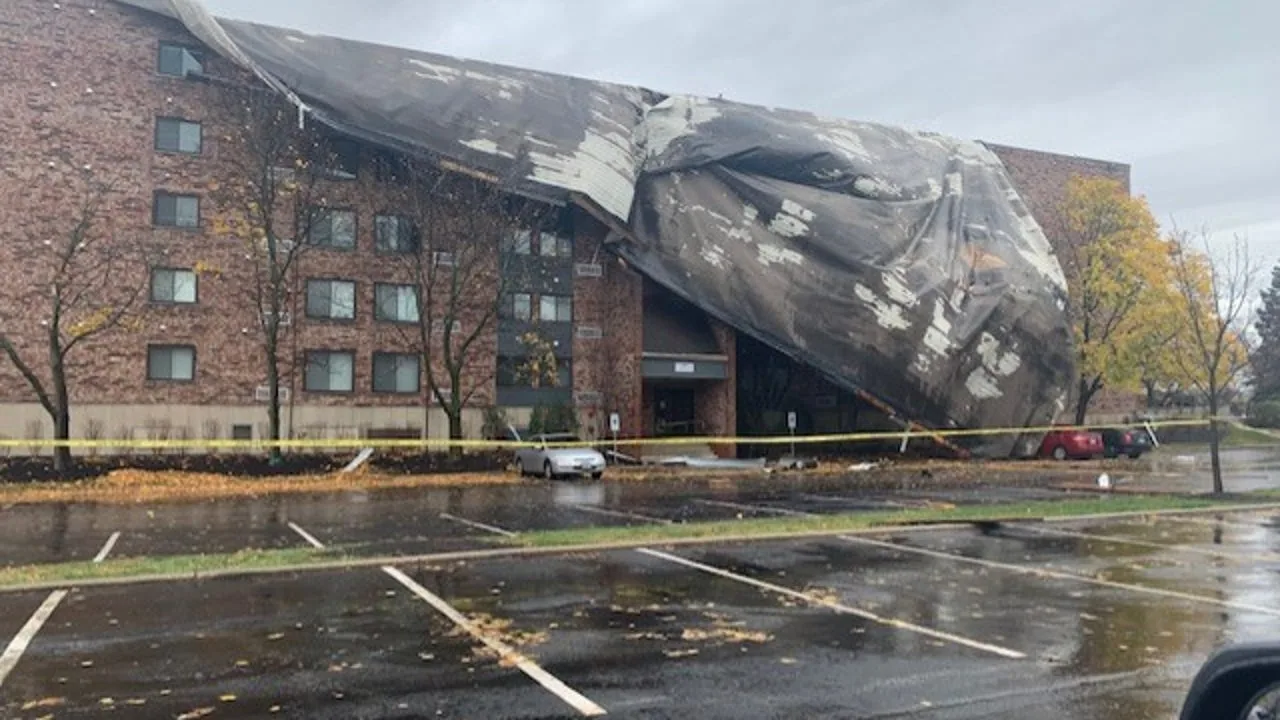
Spring severe weather can prompt a quick inspection after a report, but regional conditions do not prove damage at an individual dealership. Hail and damaging winds occur somewhere in the Metroplex nearly every year, while a particular location may not experience each hazard. We photograph impact or movement where observed and keep the storm timeline separate from the diagnosis. A hail review can connect each recommendation to a roof location and an observed condition.
Plan Roof Work Around Water and Surface Conditions
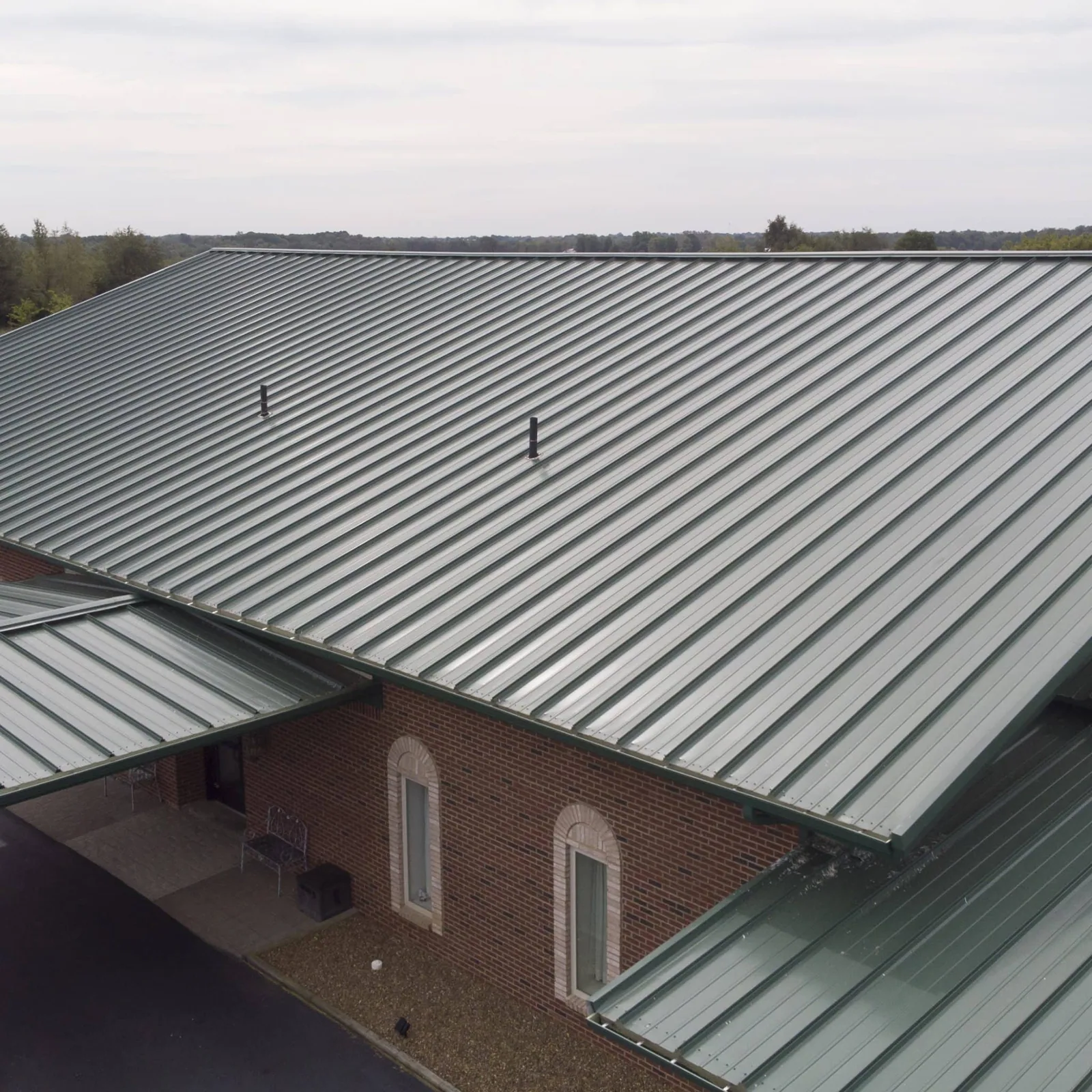
DFW climate normals show average daily highs above 95 degrees in July and August. That regional heat affects safe work periods and product application requirements, so the crew checks the surface and manufacturer instructions before opening a section. The area should be large enough for efficient work but small enough to secure before the shift ends. A metal roof review may help compare a visible panel assembly, but seam condition, fasteners, transitions, and substrate still need inspection.
DFW’s normal May rainfall is 4.78 inches against 37.01 inches annually. We check low points, overflows, and scuppers before a repair closes the field. A drainage check can be priced and scheduled apart from membrane or metal work. If the dealership must maintain customer access, the proposal identifies the route that remains open and any alternate lane for deliveries while a roof section is closed.
Compare the Repair Line with a Larger Project
The estimate should identify the affected roof section, repairs, flashing, access, interior protection, staging, and expected work hours. If removal uncovers wet insulation or deck damage, the crew documents the area and asks for authorization before expanding. A replacement scope can be compared with a localized repair when the roof evidence supports both choices. We list optional drainage, insulation, or metal work separately so the owner can review the next spend rather than approve a broad allowance without detail.
A city business-park category can include a showroom where local zoning and truck routing allow it, but that planning allowance says nothing about one dealership’s roof. We verify the specific building and loading arrangement. The manager confirms the property's loading route, visitor entrance, and material staging point. A large retail roof scope may offer a useful comparison for protecting customer flow, while a warehouse roof plan considers larger service and stock areas. The vehicle display and repair schedule set this property's working boundary.
Close Out with a Map the Manager Can Reuse
The service director gets the lane reopening time, repair IDs by roof zone, and equipment handoff status. We add the approved scope changes, warranty details, and photo index to the property file. A roof condition report can preserve the record alongside previous repairs and maintenance. The manager should know which fastener, seam, drain, or equipment detail needs a follow-up check and when that check is due.
If a new leak appears, staff can compare its location with the prior map instead of expanding the first patch by habit. We note whether the water path repeats, whether another zone is involved, and which trade or access approval remains. The result is a specific repair status and next decision for the owner, service director, or property manager. That file keeps scope changes, photos, and approvals easy to locate. An accurate closeout also helps the next inspection avoid repeating work already completed or relying on an outdated roof assumption. The service director can file it with the lane schedule.
Commercial Roofing Questions
Can a dealership stay open during roofing work?
The manager identifies sales hours, service-bay activity, customer routes, deliveries, and any lane that cannot close. We map staging and the roof opening against those limits, then document a daily work boundary. If safe separation is not possible, the schedule names the required closure window before mobilization.
How do you protect vehicles under an active roof leak?
The dealership identifies vehicles and work areas that need immediate protection. We record the reported spot, inspect the likely roof section, and coordinate an interior or vehicle move with the authorized contact. Temporary protection and the permanent repair scope remain separate decisions.
Do hail reports require a full dealership reroof?
No. A regional storm report is not a diagnosis. We document visible roof conditions, connect each recommendation to a location, and explain whether evidence supports a localized repair, testing, or a replacement comparison.
What rooftop equipment affects dealership roofing?
Units, exhaust equipment, conduit, pipe supports, and signage can interrupt the roof field. We map their clearances and assign shutdown, lifting, flashing, and restart responsibilities. The mechanical contact confirms which systems can be moved and when.
What should a dealership receive at project closeout?
Keep the roof map, dated photos, approved scope, change records, materials installed, warranty information, and follow-up date. We record the work boundary and any open equipment or access coordination so the next service report starts with current information.