A leak in a public building needs an accountable work boundary before a department is asked to move staff or close a room. We record the reported location, protect the affected interior, and identify the roof section that needs review. Frisco applies the 2024 International Building Code with local amendments to projects filed on or after March 1, 2026. That date makes project-specific permit review important; it does not determine the requirement for every repair. We confirm the actual roof assembly, access limits, procurement contact, and approval path. The first-hour plan states what can be protected now and what needs a written decision. A North Platinum Corridor service review is one local planning context, while each public building still requires its own roof and operations record.
Keep Public Routes and Department Access Defined
Government facilities may have public counters, staff-only areas, meeting rooms, records storage, or scheduled public events. The building representative identifies doors that remain open, security or escort requirements, accessible routes, and the official who may authorize a temporary closure. We map those limits against roof access, hoisting, debris removal, and interior protection. A phased occupied-building plan should name each daily work area and the person who confirms it is secured. If a leak is active, a leak-control visit can document temporary action separately from the permanent scope.
Delivery access is confirmed with facilities, not inferred from a nearby road. Dallas Parkway frontage roads and US 380 link parts of Frisco's mobility network, but loading permissions and truck routes remain site-specific. We include the approved staging location, lift route, emergency clearance, and any public notice in the schedule. If a hearing, election activity, or department deadline changes the access window, the owner can see which roof section moves and what that change does to labor or completion timing.
Document the Defect and the Permit Question
A ceiling stain may be separated from the failed seam, drain, curb, or flashing above it. The inspection maps the interior report to visible roof details and records any limit on access. A commercial roof inspection can document the assembly, repair history, photographs, and recommended next test. We distinguish confirmed damage from an assumption based on the room's use or the building's age. That record helps a public owner compare bids and decide whether a repair, testing, or larger project is justified.
The 2024 International Existing Building and Fire Codes with local amendments take effect in Frisco on March 1, 2026; the amended 2024 energy code takes effect June 2, 2026. The permit reviewer and project documents control which provisions apply to the actual work. We identify the work listed in the scope document and give the owner a question to resolve with the permitting authority before pricing compliance as a settled fact. A condition report can preserve those observations without presenting the inspection as an official code determination.
Separate Repair Quantities from Capital Alternatives
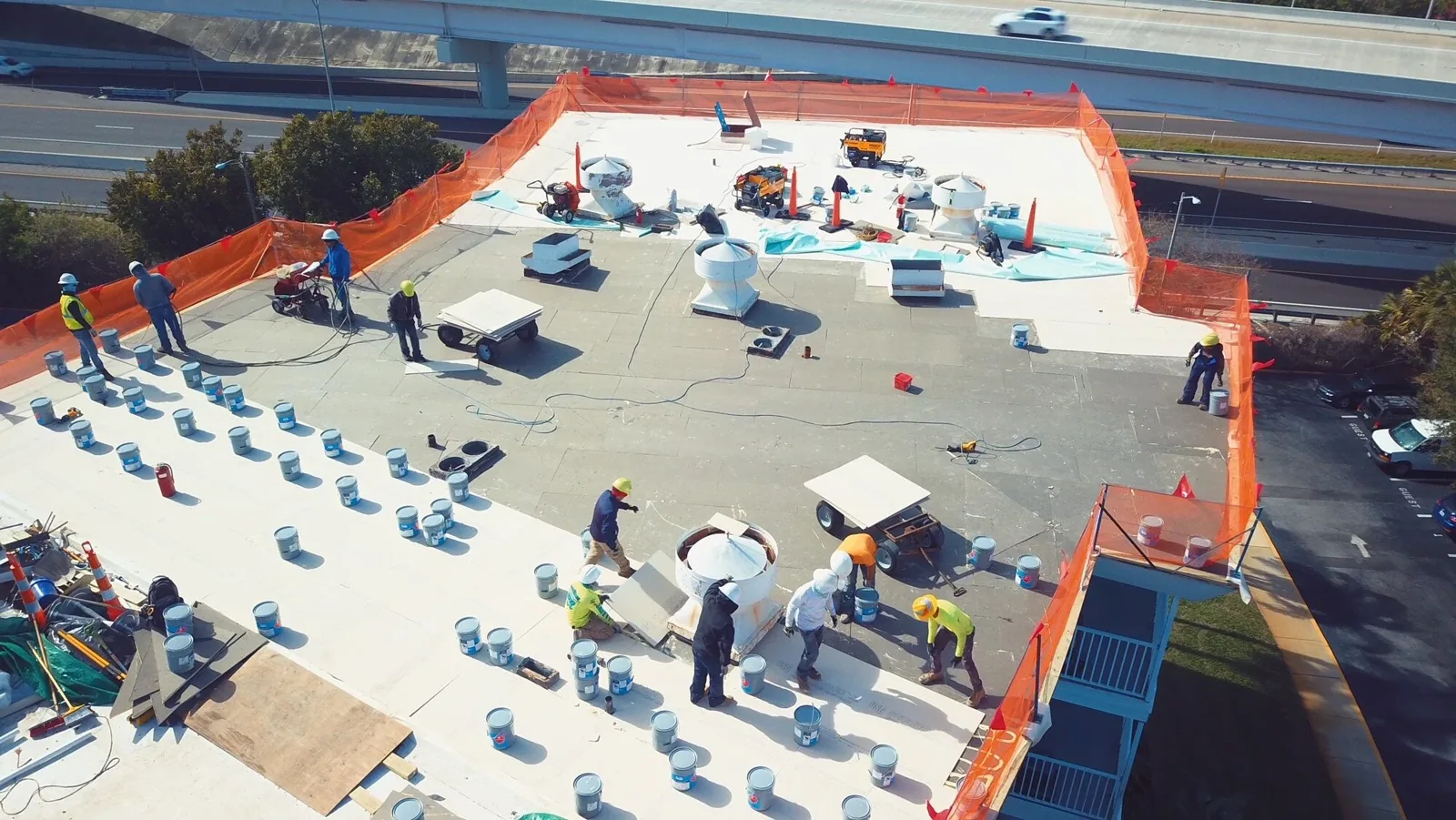
The bid should identify roof area, removals, insulation, attachment, flashing, metal, drainage details, access, disposal, and temporary protection. The schedule shows when public areas need notice or a short closure. If removal exposes wet insulation or deck deterioration, the contract should set a stop-and-document step before added work. That lets the authorized representative review photos, quantity, and price before work proceeds. A replacement scope can be evaluated separately from a storm-related repair when the evidence indicates different work boundaries.
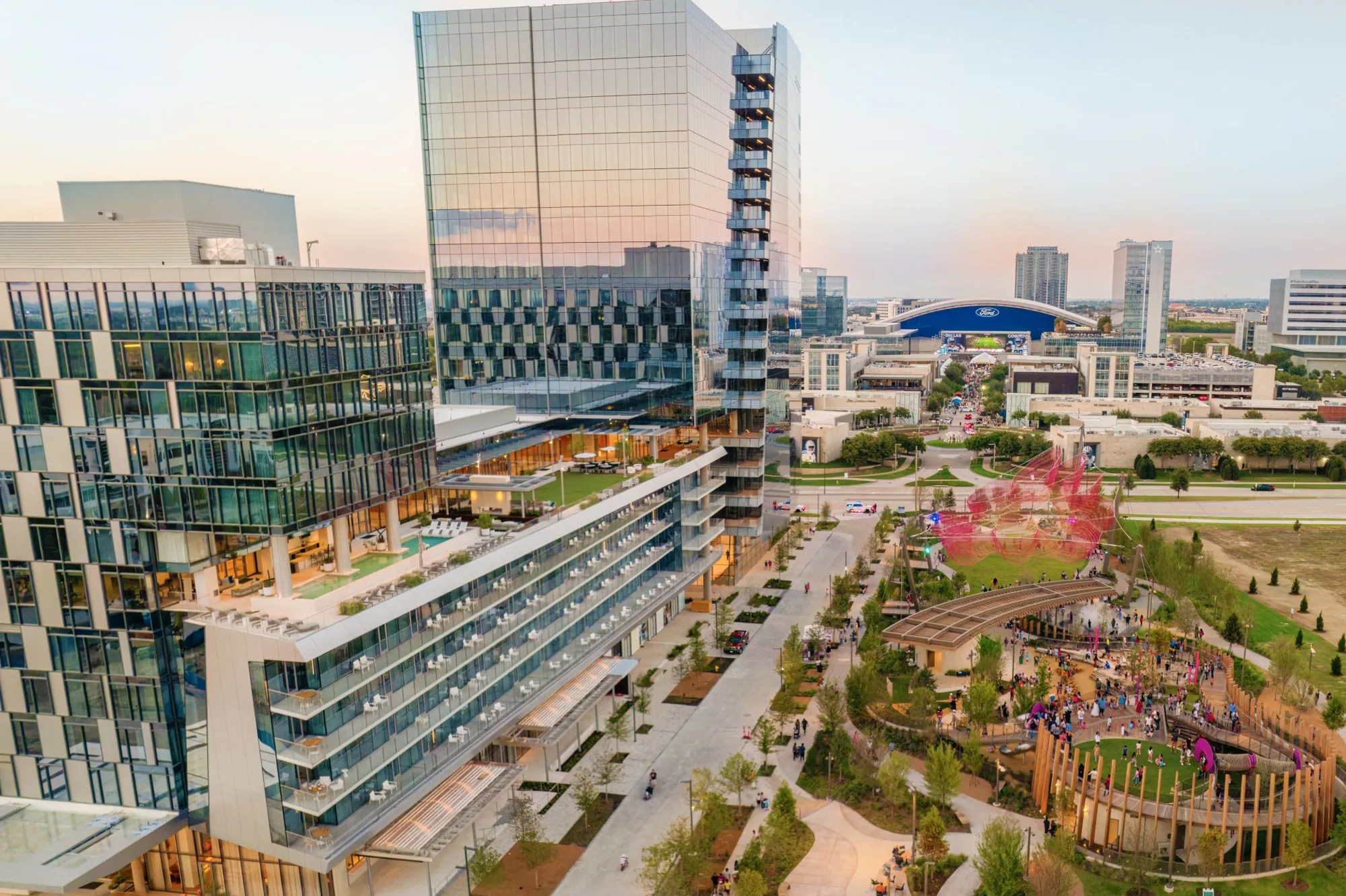
Frisco business-park land is predominantly nonresidential. It sketches several employment formats, but zoning and city-approved truck routes determine which forms may fit a particular parcel. It is a planning category, not a description of a specific municipal building. We use actual site access and roof conditions to set the crew sequence. An office roof comparison may clarify occupied-hour planning, while a school roof review can help discuss calendar-based closures. Neither substitutes for agency approval or the project's actual procurement documents.
Set a Defensible Weather and Drainage Plan
DFW averages 37.01 inches of precipitation annually, and May averages 4.78 inches. The figures support a careful drainage review, not an assertion that a particular outlet is failing. We check low points, drain bowls, scuppers, overflows, and the direction water can move if a temporary detail is interrupted. A drainage scope can be priced apart from membrane replacement so the owner sees the separate quantity and approval decision. The work plan identifies the daily dry-in line, who checks it, and what happens if a storm shifts the schedule.
DFW’s July and August normal high temperatures are 95.6°F and 95.8°F. The crew checks product limits and present roof conditions before deciding which area can be worked and secured. Spring severe weather also calls for prompt review when the owner reports a leak, but regional activity does not prove that a building was struck. Photos and the inspection map should show the specific condition that supports each recommendation.
Leave an Auditable Decision and Closeout Trail
Before mobilization, the owner should have the approved scope, pricing schedule, insurance documents, access plan, permits or permit determination, and named change authority in one record. Our proposal separates base work, alternates, testing, and allowances for concealed conditions. We identify when the crew must stop for approval and how an emergency stabilization is recorded. At closeout, facilities receives a marked roof map, dated photos, materials installed, warranty papers, punch items, and the next inspection date. The next budget action is assigned by name. Keep the repair authorization, permit determination, and department access decision attached to the roof-zone map for the next facilities review.
Downtown Main Street and Fourth Street remain active redevelopment areas, while North Platinum is a broader corporate and mixed-use setting. Those are separate development contexts, not roof condition evidence. These distinct local contexts can help frame a portfolio discussion, but neither establishes the condition of a public roof. We retain the actual building's access route and repair history in its file. A capital planning review can put verified needs onto a future budget calendar, and public-agency roof program support can organize repeatable records across multiple sites without replacing each site's inspection.
Commercial Roofing Questions
Do Frisco building codes determine every roof repair scope?
The city publishes adopted codes and effective dates, but the permit reviewer and project documents determine which provisions apply. We describe the proposed work accurately and identify questions for the owner to confirm with the permitting authority before treating compliance as settled.
How do you keep a public building accessible during roof work?
The agency identifies approved entrances, public hours, security rules, accessible routes, and any closure windows. We place staging and debris paths on the schedule and define the roof area opened each shift. The agency contact receives the daily boundary and confirms any changed route.
What should be included in a municipal roofing bid?
A reviewable proposal lists the assembly, quantities, removals, insulation, flashing, drainage, access, protection, schedule, disposal, and approval steps for concealed conditions. Alternates and testing are shown separately so the procurement team can compare the actual repair decision.
Can the city approve extra work after removal begins?
The contract should identify who can authorize a change and require documentation before concealed-condition work proceeds. We photograph and measure the newly exposed area, submit the added scope and price, and wait for the designated approval unless a documented emergency requires immediate stabilization.
What records belong in the closeout file?
Retain the approved scope, permit decision, marked roof map, dated photos, materials, warranty documents, change records, punch list, and follow-up date. We identify open items and the facilities contact who accepts the completed area.