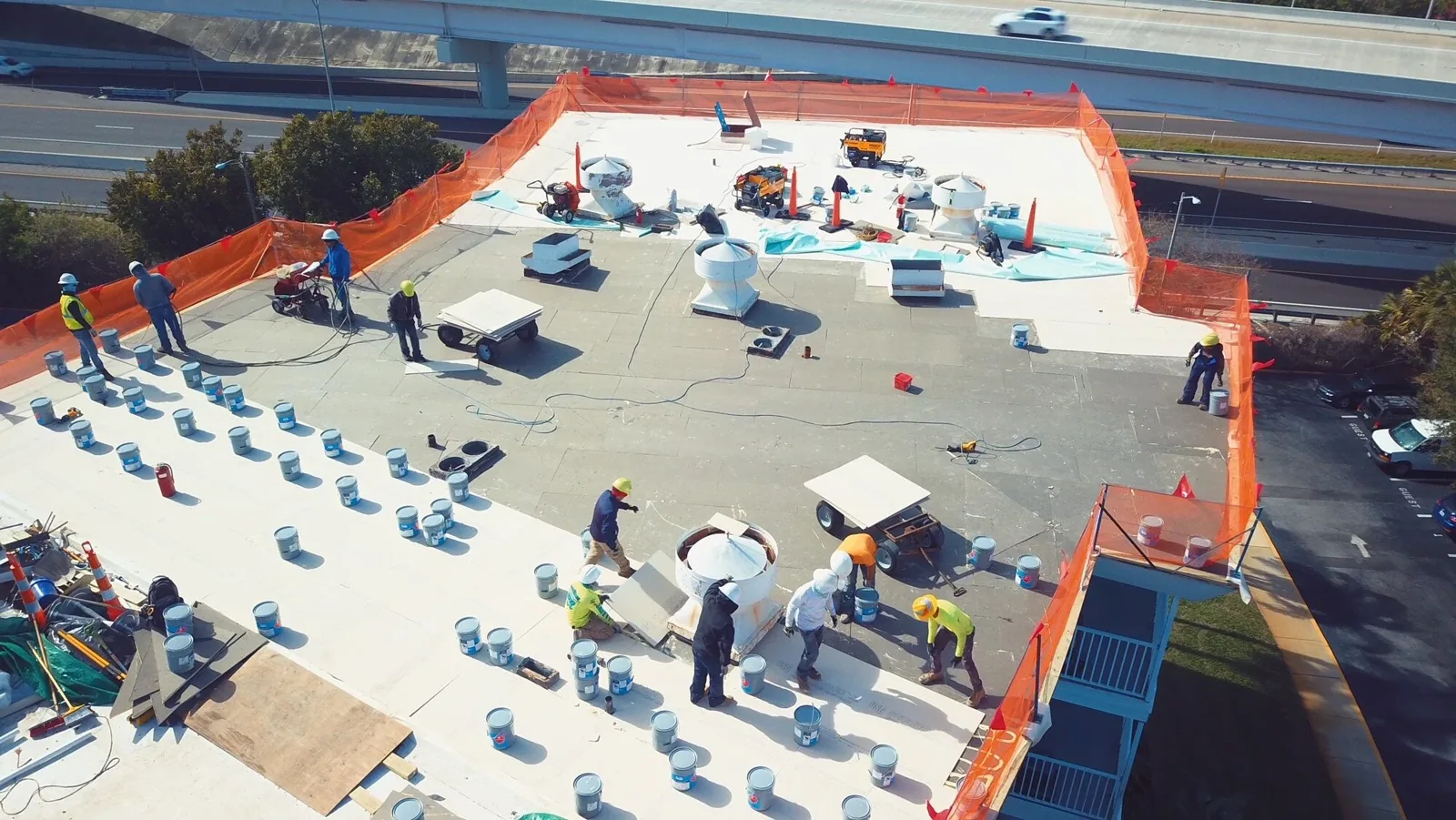
A roof issue in Sachse starts with the reported water path, the accessible roof areas, and the decision the owner needs to make. We record membrane details, prior repairs, and inspection limits at the property before recommending work. Sachse's business-development program includes commercial, office, and industrial zoning. That context helps frame building use; the inspection records conditions specific to the roof.
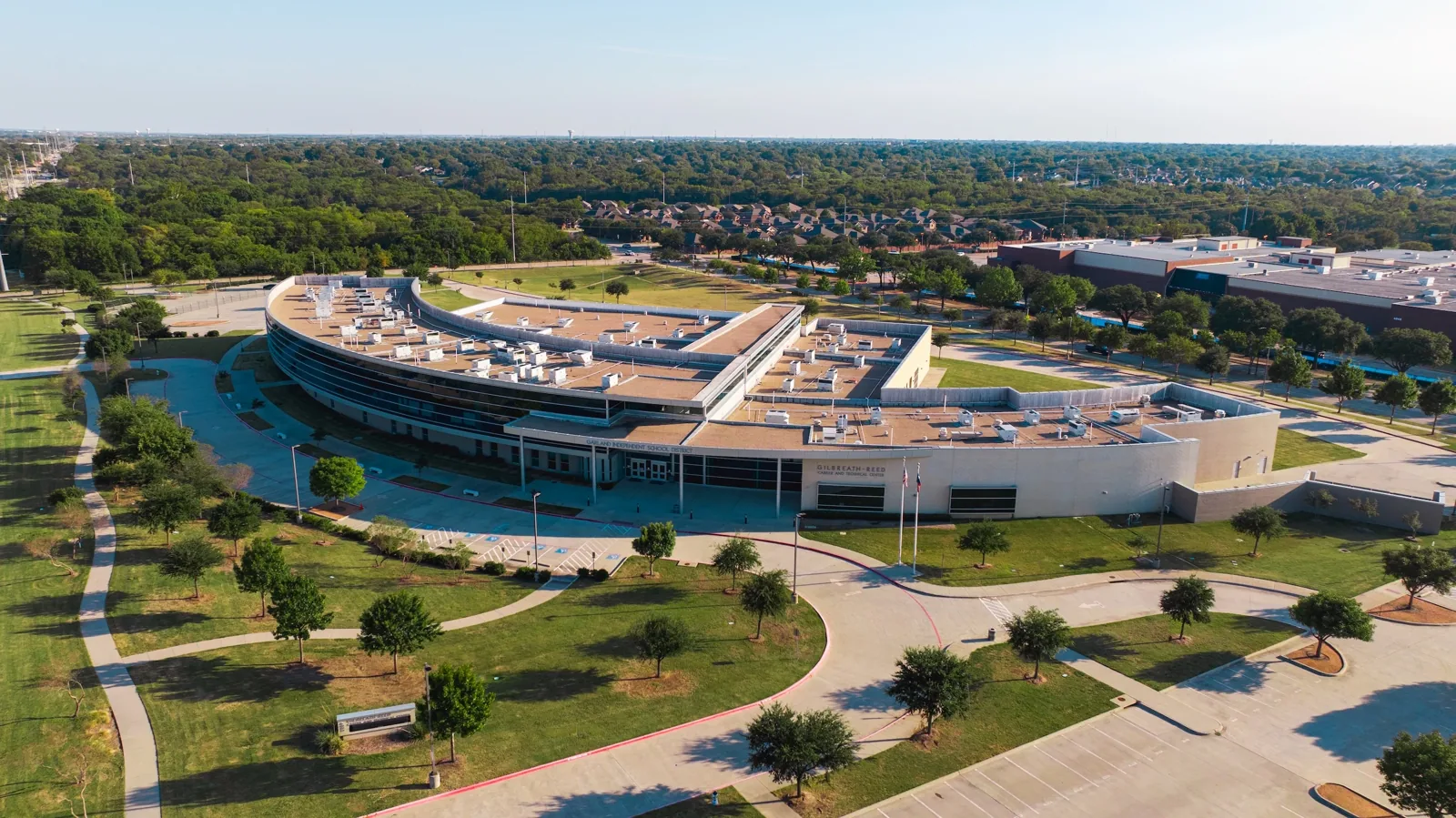
For summer visits, DFW’s July and August average daily highs near 96 degrees are a practical scheduling consideration. North Texas severe-thunderstorm activity peaks in spring, but regional weather does not establish that a particular roof sustained damage. The owner’s report guides the inspection; seams, penetrations, edges, and drains provide the evidence. A Garland property assessment and a commercial roof review in Wylie are separate assignments with their own findings, not extensions of the Sachse record.
Confirm the Use at the Building
Commercial, office, and industrial zoning categories do not state what a particular tenant does today. Before setting a work window, we ask whether the property is occupied, which operations or deliveries must continue, and who controls rooftop equipment. Those answers help locate a safe staging area and identify whether any interior space needs protection. The roof inspection then documents material, drainage, transitions, and visible prior repairs without assigning a system from the zoning category.
A citywide business-development program may bring an owner to review a purchase or planned improvement. We keep the roof question separate: what condition exists now, what requires a test, and what depends on future drawings. If a planned unit or penetration may affect the roof, the inspection can record nearby conditions and reserve that detail for a later design review. The current repair scope should not price a not-yet-defined connection as if its dimensions and attachment were already known.
Connect the Interior Report to Roof Details
We locate the interior mark and inspect the roof area above and around it. Water can travel along a deck joint or insulation layer, so the nearest visible seam may not be the only path. We check penetrations, curbs, wall transitions, perimeter metal, and drainage, then photograph conditions that support a repair. If a test opening is needed, its location and purpose appear as a separate approval rather than an assumption.
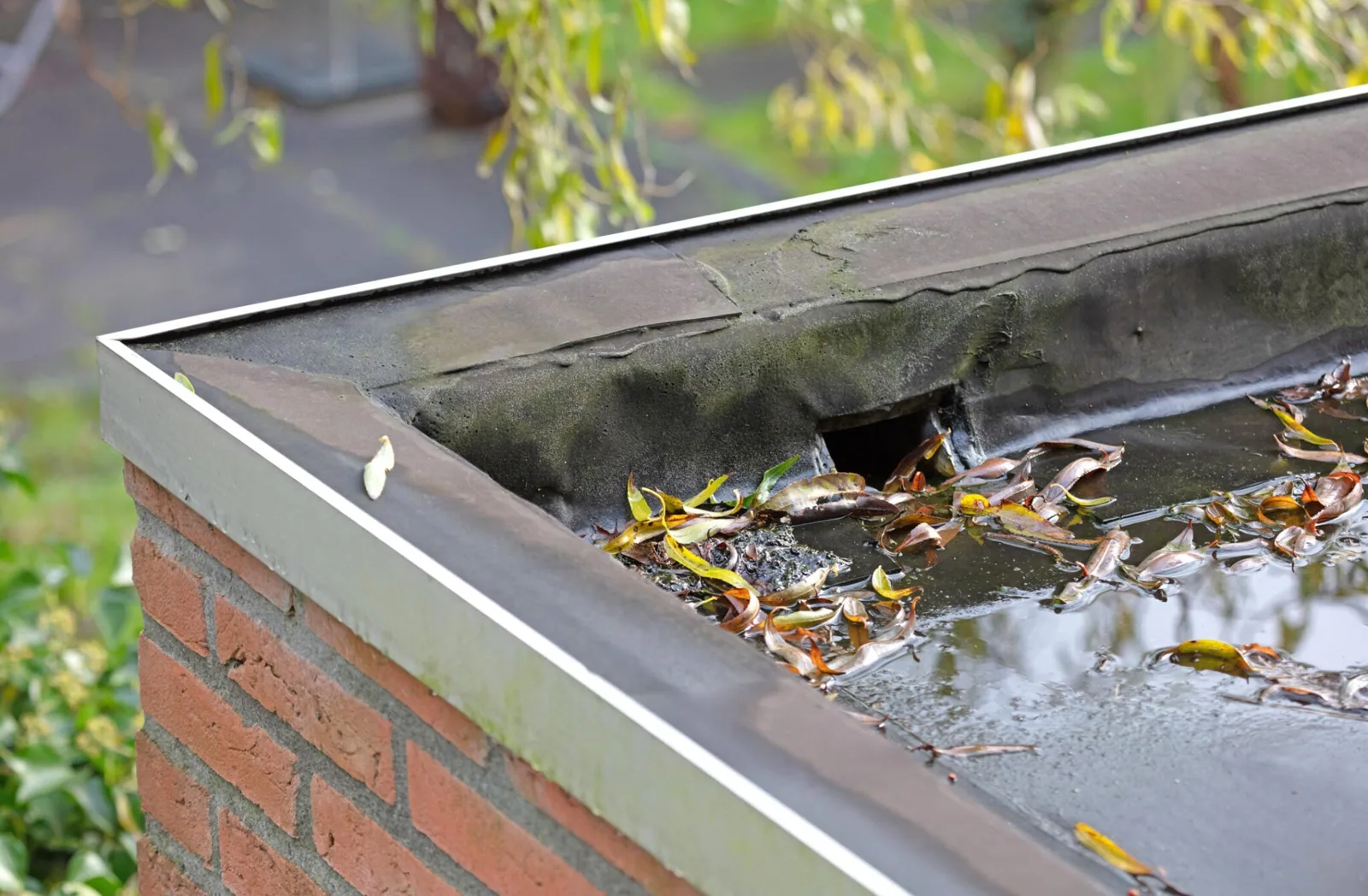
When water is active, we protect the interior and record temporary measures. A permanent patch requires compatible material and a sound surface at the repair limit. The owner receives the boundary, the details included, and any area still uncertain. A drain and scupper inspection may help when the report points to ponding or an outlet, while leak response addresses immediate water entry. The written recommendation separates those tasks so the owner can authorize the right one.
Set the Work Area Around Operations
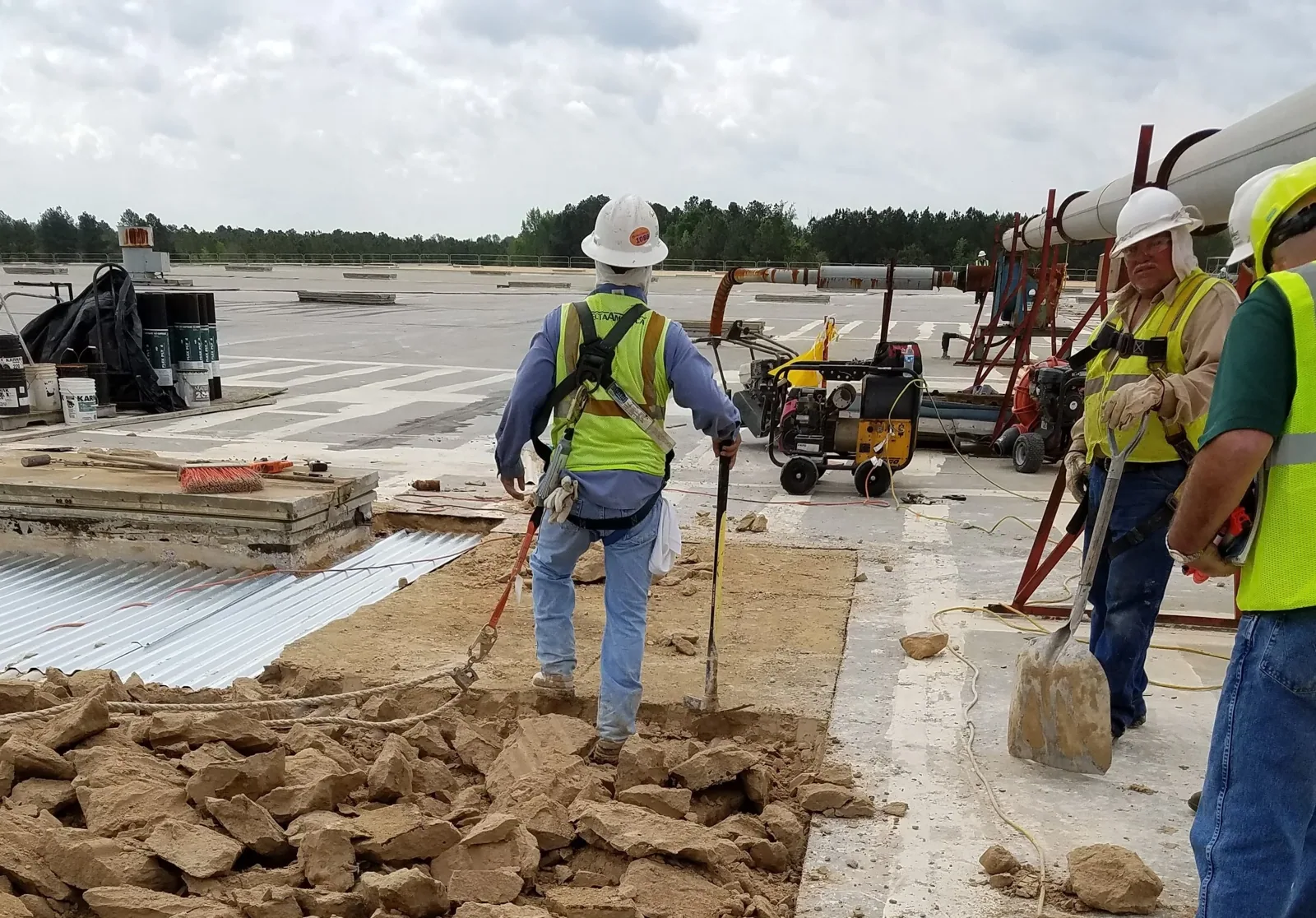
Before mobilization, we identify how the crew reaches the roof, where material can be staged, and who can approve a temporary shutdown. If a tenant needs a clear entrance or a delivery route cannot close, the schedule sets the work area and time accordingly. We also note the maximum roof area that can remain open during a shift and how it will be weather-tight when the crew leaves.
Those details affect cost and timing. Roof height, lift access, security, equipment protection, and after-hours labor can change the estimate even if the repair itself is small. We identify those drivers before materials arrive. A phased reroof scope describes how a larger project can be divided into safe sections. The plan is based on Sachse's actual site rules, not assumptions about a whole commercial district.
Use a Storm Report as a Trigger to Look
North Texas severe thunderstorms are most frequent in spring. Hail and damaging winds affect parts of the Metroplex nearly every year, while an individual property may have no damage. After a reported storm, we note what the owner observed, inspect the relevant roof surface, and compare it with earlier photographs or maintenance records. The record distinguishes a new opening from old wear only when the roof supports that conclusion.
Summer work has its own access limit. With DFW July and August normals near 96 degrees, we schedule inspection and repair during safe periods and make sure exposed details can be secured before leaving. Heat may affect material handling and surface movement but does not establish failure. A documented roof review can set a baseline, while a claim record should retain only conditions connected to the reported event.
After a wind report, we also check how edge metal, coping, and flashing meet the roof field. A loose termination can admit water even when the central membrane looks intact. We photograph the fastener line, note any separation, and distinguish an isolated detail from a condition that continues along the perimeter. If the interior report sits below a different roof level, we follow the transition before assigning a repair area. The owner receives a marked boundary and a recommendation for any test needed to confirm concealed attachment.
Keep the Repair and Capital Choices Distinct
A bounded repair can serve when the affected detail is isolated and nearby materials remain serviceable. Recurring openings, widespread moisture, or attachment concerns may support a broader replacement comparison. We show the observations behind each choice and list what would need testing before the scope changes. The owner can see what is ready now, what is uncertain, and the date when a deferred area should be reviewed.
Replacement pricing includes the specified roof sections, assembly, drainage, edge work, access, and phasing. Repair pricing identifies the detail and stops at the approved boundary. A condition report carries the photos and findings into the next budget cycle. We respond around the clock to active water, then return a prioritized repair-versus-replacement scope after inspection. Share the building use, leak status, records, and decision window so the next spend reflects the Sachse property as it stands today.
The approval record should make the scope easy to revisit. We identify the person who approved access, the area tested, and the conditions that would trigger a return visit. If the property later changes use or adds equipment, the owner can compare those plans with this roof record and schedule a review before cutting into the existing assembly.
Photographs should keep the roof area, date, and work status visible in the same record. That small discipline helps a manager distinguish the completed repair from the remaining budget item.
Commercial Roofing Questions
Does a commercial zoning label tell you which roof system is installed?
No. Zoning distinguishes use categories, while the inspection confirms the building's membrane, metal, or other assembly. We record what is visible and identify any test needed before choosing a repair method.
Can a business-development plan help price a roof repair?
It provides city context, not measurements or roof condition. We price the inspected section and account for the site's access, staging, and operating limits. Planned construction remains separate until drawings and scope are available.
What do you do when an interior leak does not line up with a roof opening?
We inspect connected seams, walls, curbs, and drainage around the roof area above the report. If the path remains unresolved, we describe a test opening and its approval separately before extending the repair.
When does a repair become a replacement decision?
The comparison changes when findings extend across roof sections, recur after prior work, or include broad moisture or attachment concerns. We document those observations and show the test or access step that could confirm them.