A reflective surface changes the roof's exposure, but it still needs a dry substrate, sound details, and a clear water path. In Frisco, TX, we review the existing membrane, insulation, drainage, and access before comparing a reflective coating with a new membrane. DFW normals put July and August average daily highs above 95 degrees, making summer roof exposure a useful design consideration. That regional measure does not show how much energy a building will save. A North Platinum Corridor office and a Frisco Rail District storefront can also have different operating hours and roof layouts. We document the conditions with photographs and section boundaries before surface preparation begins, then explain the material choice without promising a particular utility result. A roof inspection sets the substrate and repair boundary first.
Start with the Roof That Will Receive the System
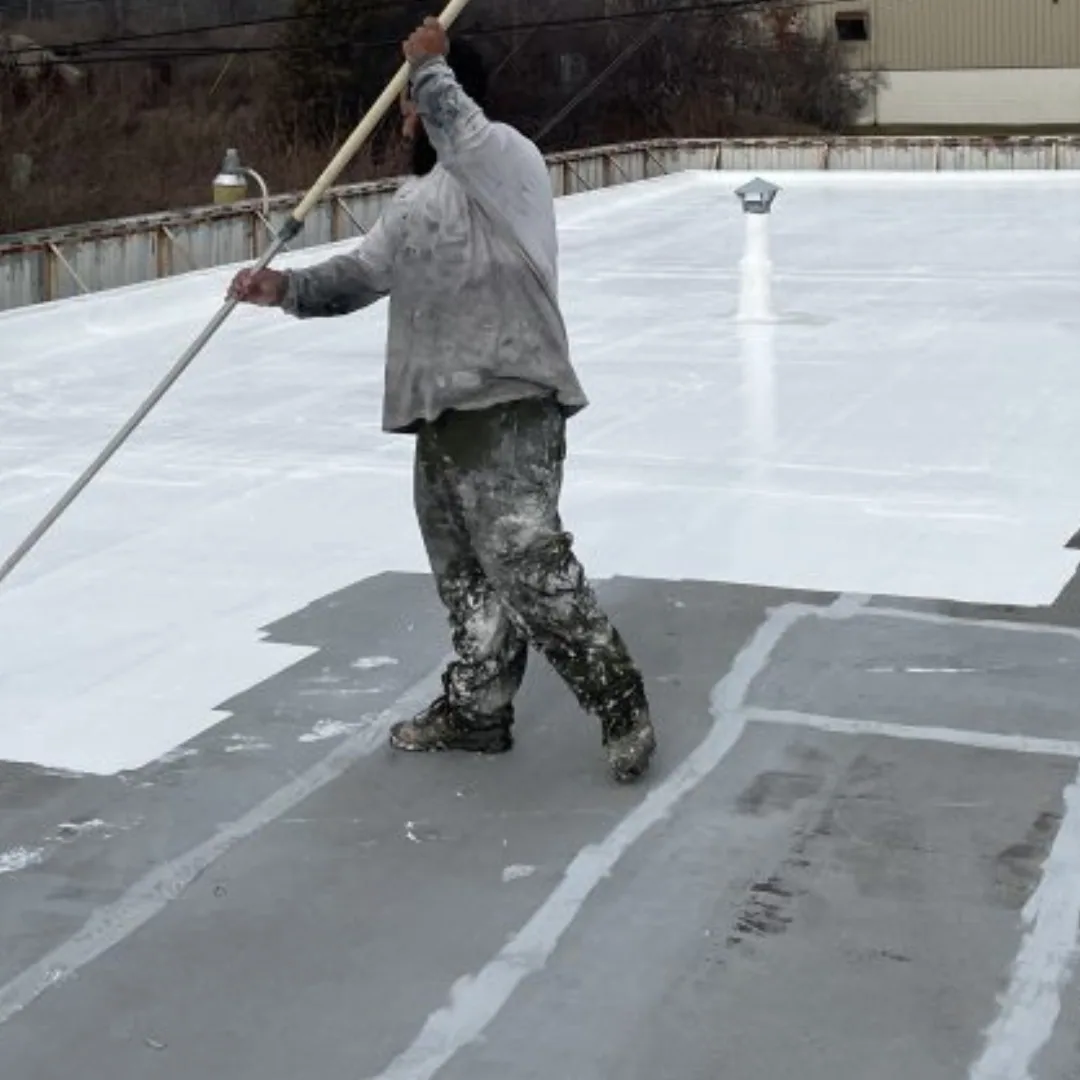
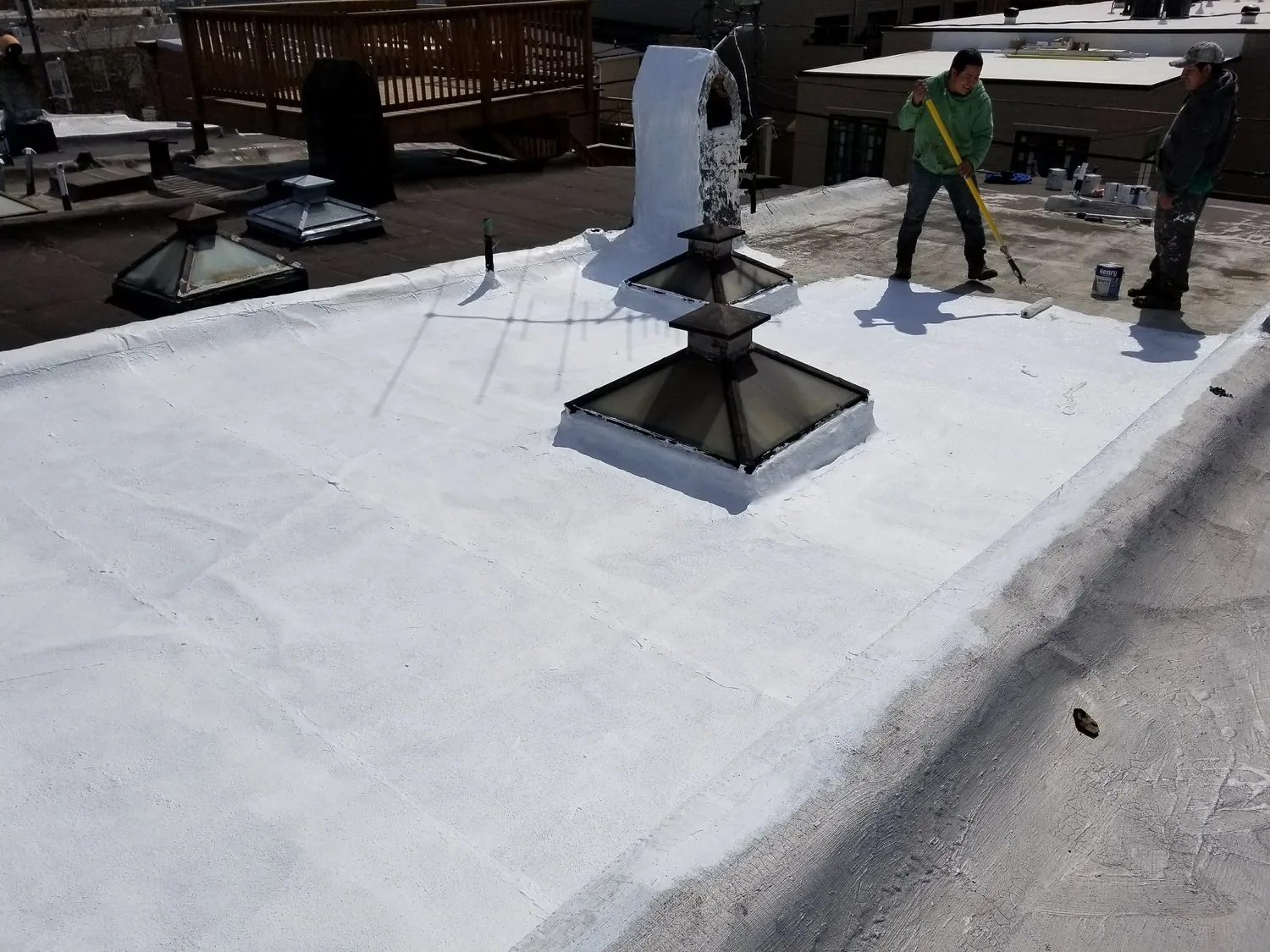
We check whether the roof can accept a reflective membrane or coating before comparing color or surface temperature claims. The review covers existing material, seam condition, adhesion, wet insulation, exposed fasteners, and areas that require removal. A coating applied over unstable material can fail at the same seams and penetrations that already leak. If the roof is not sound enough for restoration, we show repair, recover, or replacement as separate paths. The owner receives a map of the test areas and the repairs needed to prepare them.
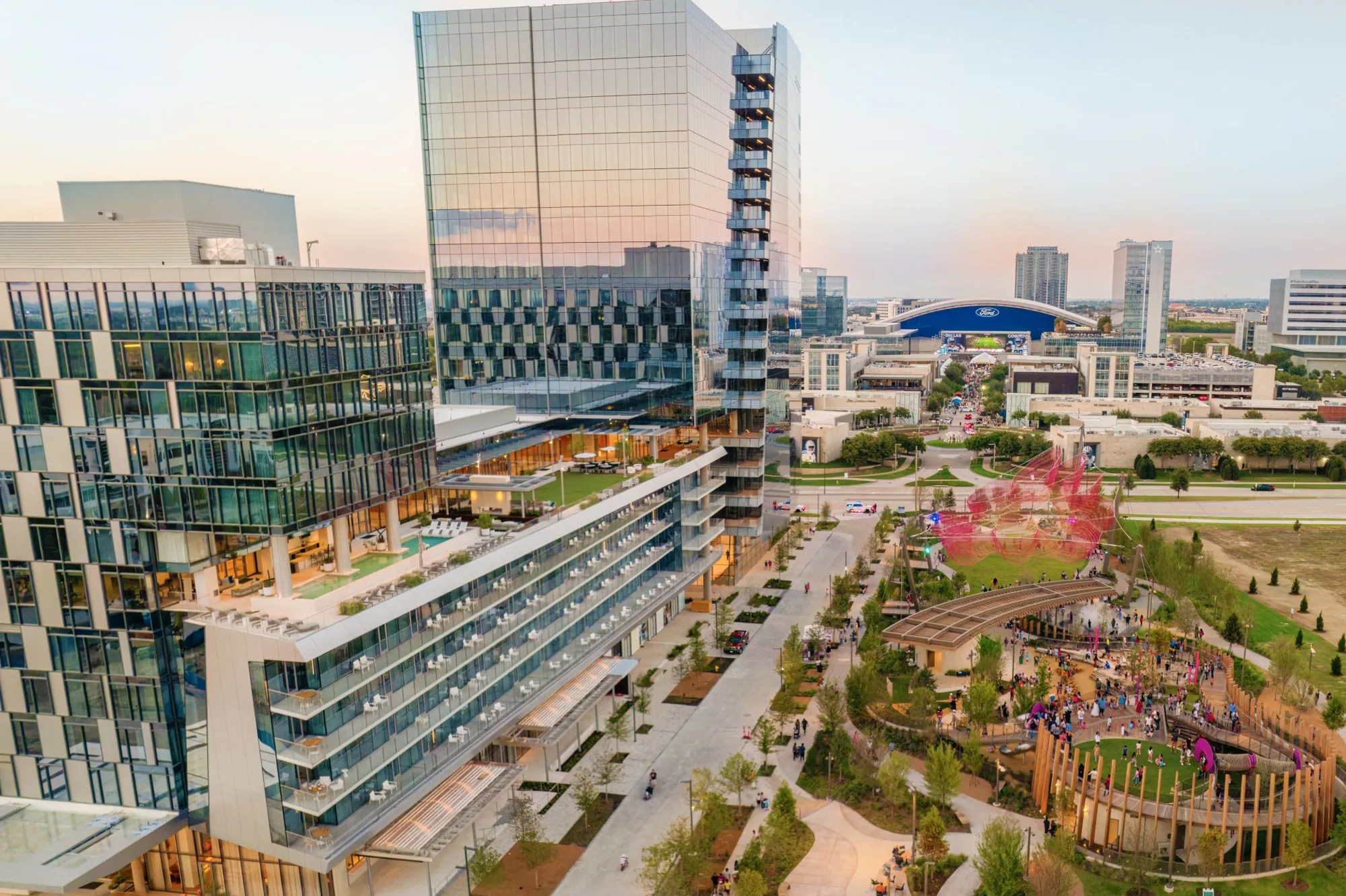
Frisco's employment settings include offices, business parks, and mixed-use properties. That local mix helps us ask about rooftop equipment, occupancy, and access, but it does not establish a particular building's assembly. We confirm the membrane and its condition on site. Where coating is under consideration, a restoration review documents adhesion and preparation; for a new system, the scope identifies the insulation and attachment details rather than treating reflectance as the whole design.
Compare Reflective Membrane and Coating Paths
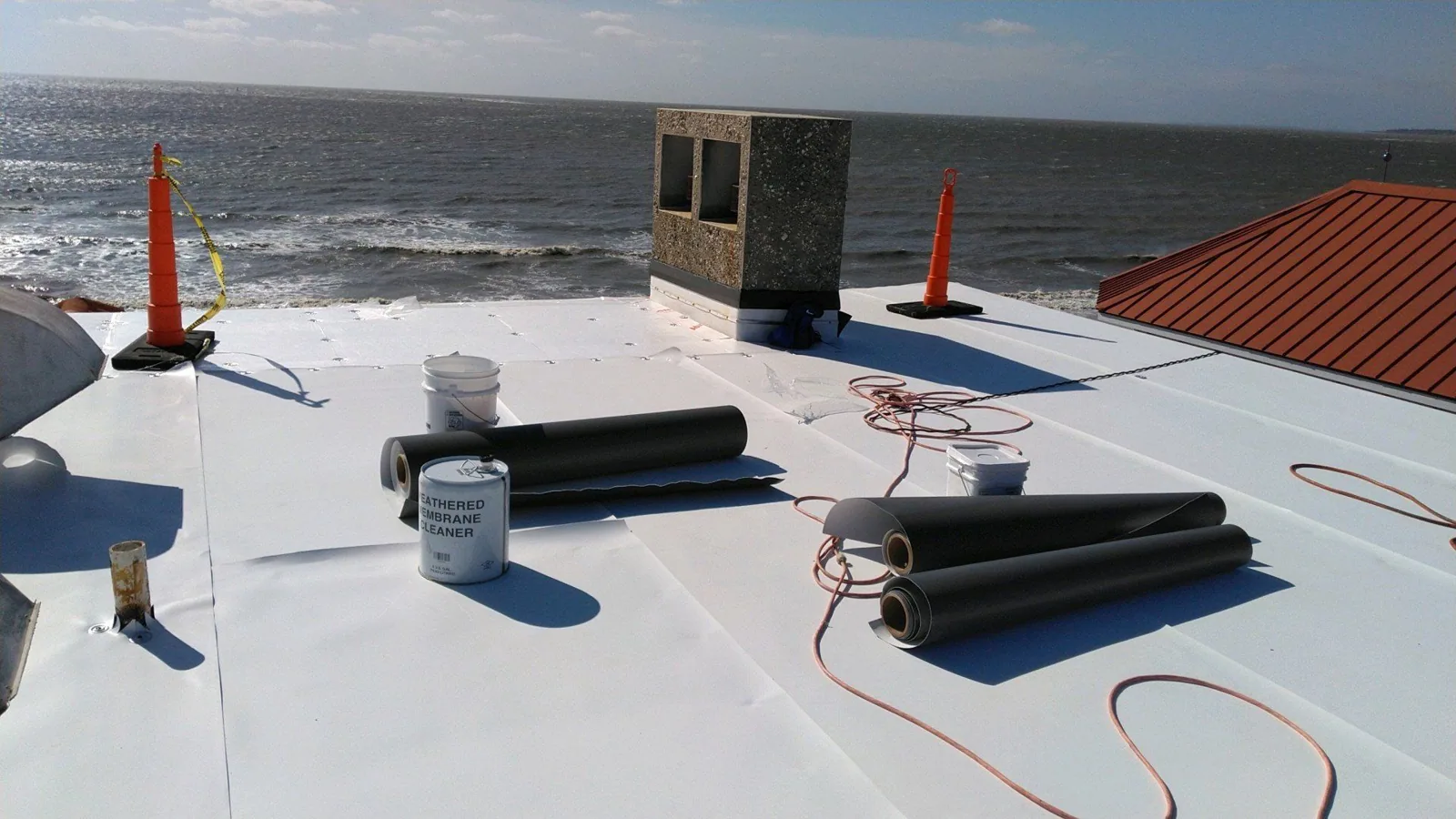
A reflective membrane is installed as a roof assembly with seams, flashings, attachment, and perimeter terminations. A coating is a restoration layer that depends on the existing surface and repairs beneath it. We compare both against the roof condition, drainage, penetrations, service access, and budget date. If the owner plans future rooftop equipment or solar work, the surface and attachment details need to account for those later penetrations. We list what the system includes and what must remain under a separate trade scope.
North Platinum's corporate and mixed-use development differs from the Rail District's historic commercial blocks. Those settings can influence staging and occupied hours; they do not determine which roof option fits. A TPO assembly or silicone coating is considered only after the existing material and manufacturer instructions are checked. The choice also accounts for how an owner will inspect and repair seams after installation.
Keep Drainage and Penetrations in the Scope
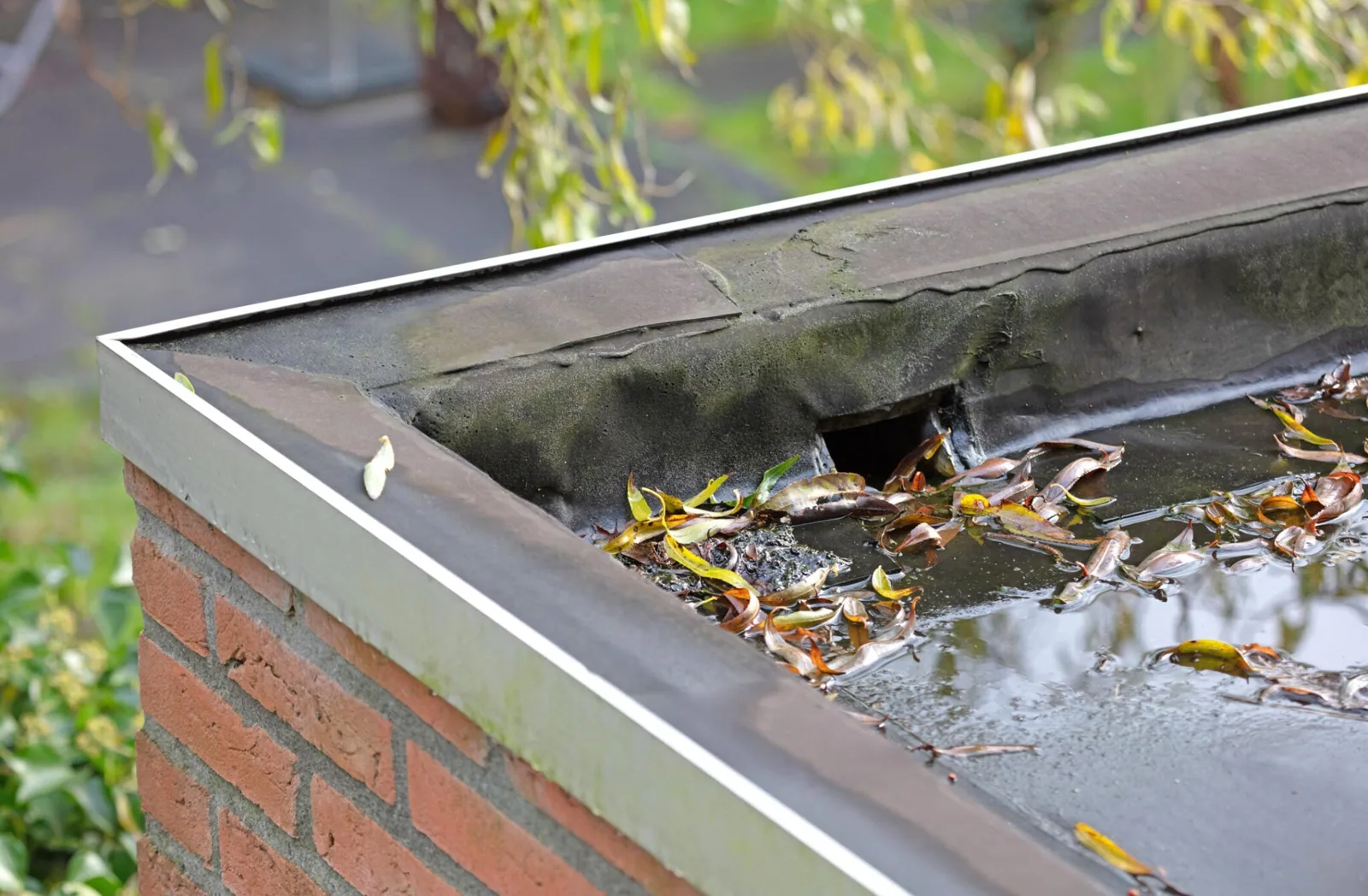
A reflective system still follows the roof slope. We map drain bowls, scuppers, crickets, curbs, skylights, and perimeter metal before adding layers or coating. A change in height can affect drain extensions, door clearances, and flashing transitions. Where water already ponds, we distinguish a surface treatment from a slope correction and price the correction separately. The drainage review confirms the primary and overflow paths before new material covers the existing field.
DFW normal precipitation averaged 37.01 inches annually from 1991 to 2020, with May averaging 4.78 inches. That regional total makes drainage a practical design check, but measured roof elevations determine the work. We photograph the outlet and nearby membrane, and state whether a test opening is needed. If the reflective system requires curb or pipe flashing changes, the scope identifies the unit and the trade handoff. The owner can review those penetrations as part of the assembly rather than discover them after material is on the roof.
Keep Energy Questions and Permit Review Separate
A lighter roof surface may change heat absorption at the roof, but building energy use also depends on insulation, HVAC, ventilation, occupancy, and operating schedules. We describe the roof assembly and its thermal components, not an unsupported annual savings figure. If the owner wants an energy comparison, we identify the project information needed for that analysis and keep it separate from a roofing proposal. A material change alone cannot support a savings forecast without the building's insulation and operating data. This prevents the bid from presenting a material feature as a specific operating outcome.
Frisco's amended 2024 International Energy Conservation Code takes effect June 2, 2026. The project team should confirm the applicable permit and amendments for the specific work before quoting compliance. We provide the assembly and insulation details for review while the permit authority establishes what applies. If the work changes roof height or drainage, those details go into the same permit package. The insulation and cover-board scope can compare thickness, attachment, and transitions beside the reflective surface choice.
Sequence Work Around Heat and Occupied Hours
Surface preparation and installation need a dry roof and conditions inside the selected product's application range. We divide the field into areas that can be prepared, installed, and closed within the available shift. High roof temperatures may narrow the work hours, while spring storms can shorten a dry window. Spring is the wettest and most active severe-weather period in DFW. We check the forecast and the roof surface before opening each area, then protect the building and leave no exposed transition beyond the planned work period.
Access planning matters for both a corporate office and a downtown storefront. We confirm lift placement, delivery routes, equipment shutdowns, pedestrian protection, tenant notice, and mechanical service windows. A sequence for an occupied building can define daily work areas and interior protection. We also record the prepared surface, application date, and any area held back for another repair, so the owner can distinguish a complete section from work that remains open. At closeout, we provide the membrane or coating description, repair map, drain details, and next inspection date. A condition report keeps the installation record connected to future maintenance.
Commercial Roofing Questions
Can a reflective roof lower energy bills?
No. A roof surface is one part of building energy use, along with insulation, HVAC, ventilation, occupancy, and schedules. We document the roofing assembly and avoid assigning savings without a separate analysis that uses the building's actual operating information.
Can a reflective coating go over any existing roof?
The substrate must be compatible, stable, dry, and prepared to the selected system's requirements. We test representative areas and map repairs before pricing a coating. Wet materials, weak seams, or poor adhesion can require removal or a different roofing scope.
Will a reflective surface fix standing water?
A surface color change does not alter roof slope. We map drains and low areas, then identify whether cleaning, extensions, tapered insulation, or deck work is needed. The drainage correction remains a separate scope so the owner can see what changes the water path.
Which Frisco energy code applies to a cool roof?
Frisco lists its 2024 energy code with amendments as effective June 2, 2026. The permit authority and project scope determine which provisions apply. We provide the proposed assembly and insulation details for review rather than promise compliance before the permit is checked.
How do you schedule reflective roof work during a hot summer?
The product's application range and measured roof conditions guide the daily work window. We prepare manageable sections, watch the forecast, and coordinate equipment and tenant access. The crew closes each section within the planned shift and records the next area before moving across the roof.